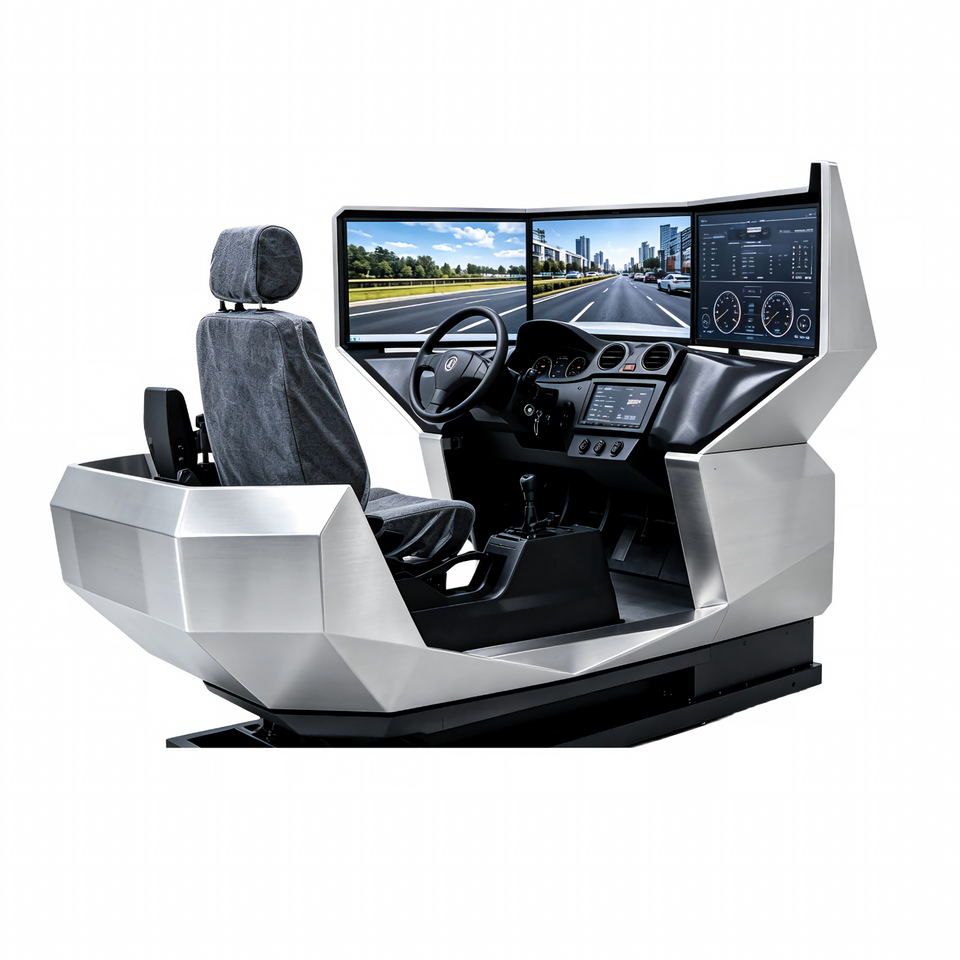
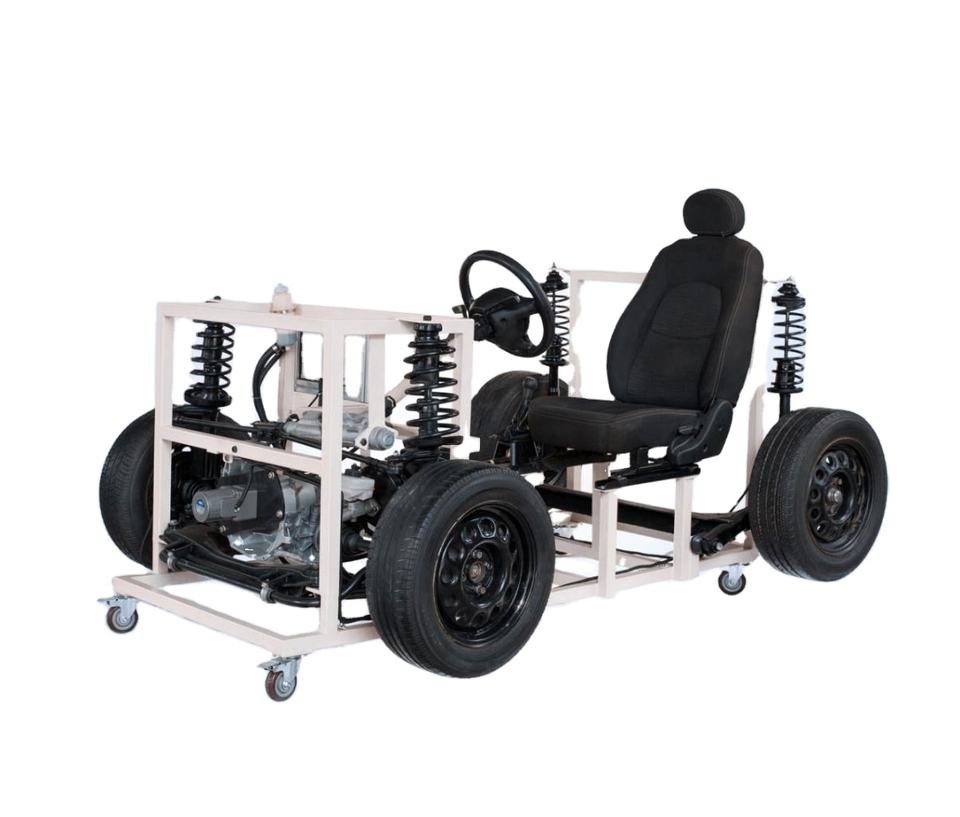
What Is Automotive Training Equipment?
Automotive training equipment is specialized educational equipment designed to help students, technicians, and automotive professionals learn how vehicle systems work through practical training. Unlike ordinary classroom teaching materials, automotive training equipment allows learners to observe real components, operate systems, measure signals, diagnose faults, and understand the relationship between different vehicle systems.
It is commonly used in vocational schools, universities, automotive training centers, technical institutes, repair training programs, and automotive companies. Depending on the training objectives, equipment can cover engine systems, automotive electrical systems, diagnostic technology, chassis systems, electric vehicles, and other automotive technologies.
Why Is Practical Training Important in Automotive Education?
Automotive technology involves many systems that are difficult to understand through theory alone. Students may understand the working principle of an engine, sensor, ECU, or electrical circuit from a textbook, but practical equipment allows them to see how these systems actually operate.
A training platform can connect theoretical knowledge with hands-on practice. Students can observe system operation, perform measurements, use diagnostic interfaces, and investigate simulated faults. This creates a more practical learning environment and helps students develop skills that are closer to real automotive maintenance and diagnostic work.
Engine Training Equipment
Engine training equipment is designed for practical education covering engine structure, operation, fuel injection, electronic control, diagnosis, and maintenance. Depending on the equipment configuration, an engine training bench may use a real engine assembly and include the engine control unit, sensors, actuators, instrument cluster, fuel system, cooling system, diagnostic connector, and other related components.
Operational engine trainers are particularly useful because students can observe starting, idling, acceleration, and other operating conditions. When fault simulation is included, instructors can also create different engine faults and allow students to practice diagnostic procedures in a controlled training environment.
Automotive Electrical Training Equipment
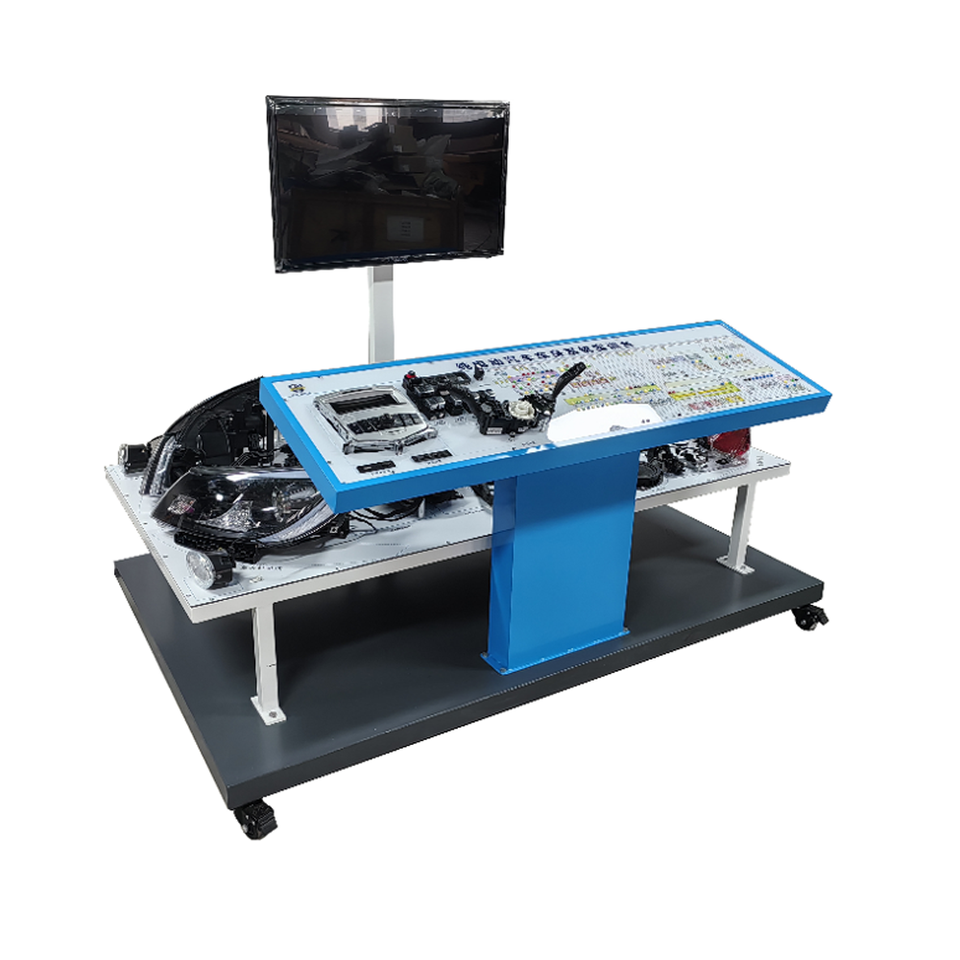
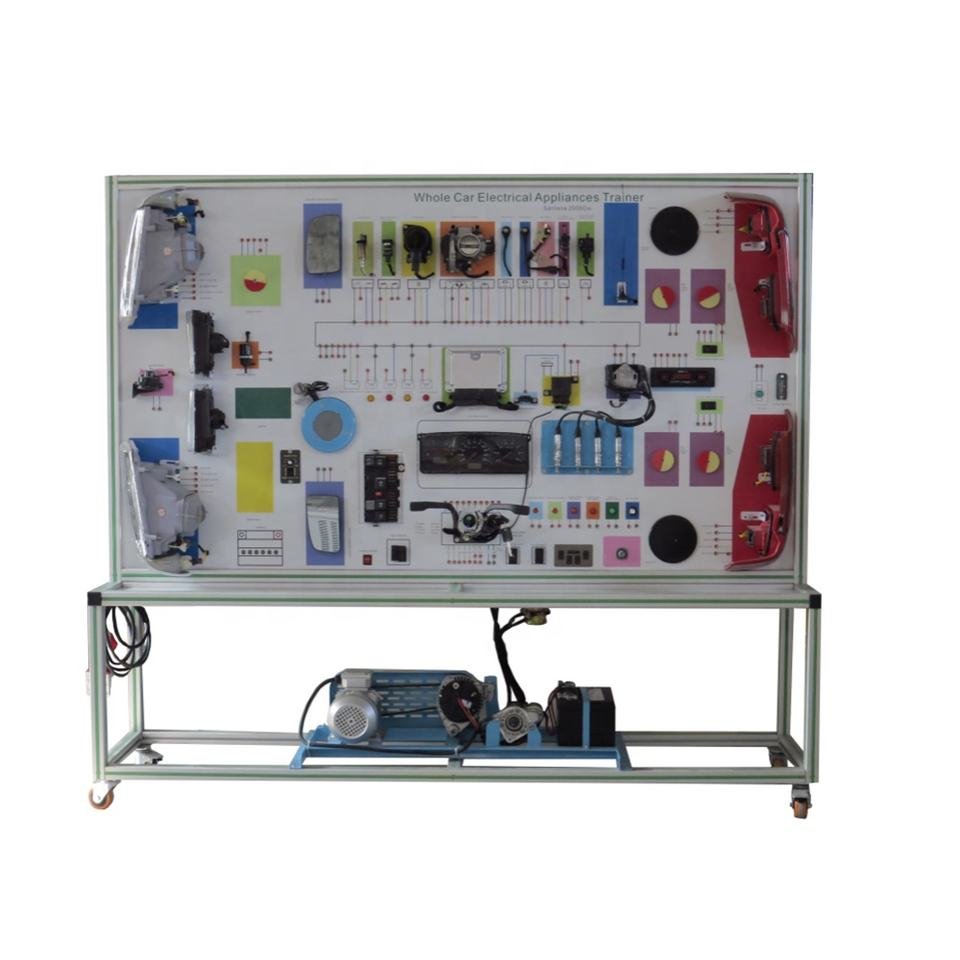
Modern vehicles rely heavily on electrical and electronic systems, making electrical training equipment an important part of automotive education. These systems can include sensors, lighting, starting, charging, electronic control units, and vehicle circuits.
Automotive electrical training benches allow students to study circuit structures and understand how electrical components interact with vehicle systems. With measurement points, circuit diagrams, test terminals, and practical operating functions, students can develop a better understanding of electrical testing and troubleshooting.
Automotive Diagnostic Training Equipment
Automotive diagnostic technology is becoming increasingly important as modern vehicles use more electronic control systems. Diagnostic training equipment helps students understand how to identify problems through diagnostic interfaces, communication systems, electronic control units, and fault information.
Training systems can be designed around technologies such as OBD and CAN Bus communication. Fault simulation can also be used to create controlled diagnostic exercises, allowing students to practice identifying symptoms, checking systems, interpreting information, and locating possible faults.
EV and New Energy Training Equipment
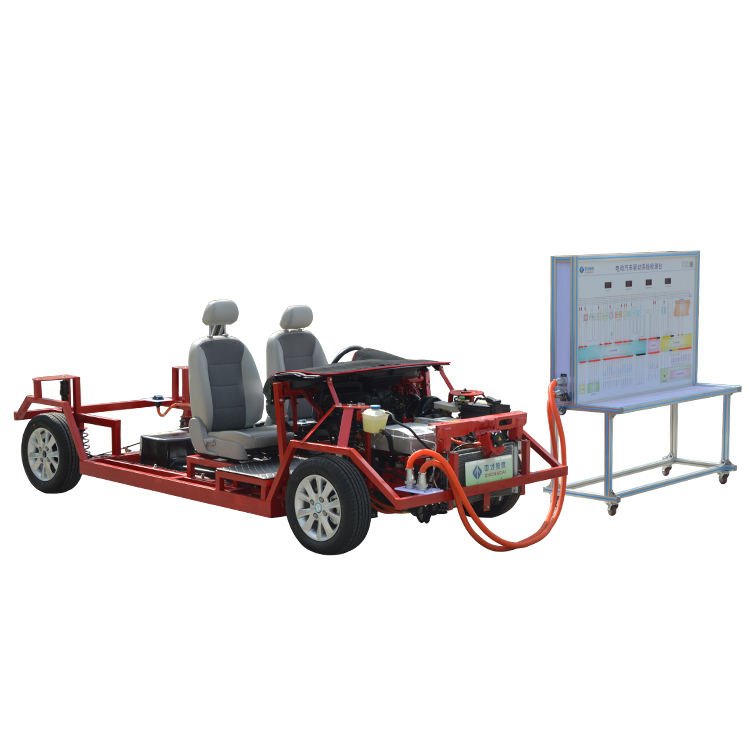
The development of electric and hybrid vehicles has created new requirements for automotive education. Traditional engine and mechanical training alone are no longer enough for programs that prepare students for new energy vehicle technology.
EV training equipment can provide practical training related to battery systems, electric motors, motor controllers, charging systems, high-voltage electrical systems, and vehicle control technology. For educational institutions developing new energy vehicle programs, this type of equipment can help students understand technologies that are increasingly used in modern vehicles.
Automotive Training Equipment for Different Educational Institutions
Different educational institutions may have different equipment requirements. Vocational schools often need practical equipment that supports hands-on skills training and maintenance education. Universities and colleges may require more advanced systems for automotive engineering, electronic control, diagnostics, and new energy vehicle research.
Training centers may focus on equipment that supports specific professional skills, while automotive companies may require customized training systems for employee development, technical training, or product education. Therefore, the right equipment should always be selected according to the training objectives and users rather than using the same configuration for every organization.
What Makes a Good Automotive Training System?
A good automotive training system should provide a clear connection between theory and practical operation. The equipment should allow students to understand vehicle structures while also providing appropriate operating, measurement, diagnosis, and troubleshooting functions.
Equipment configuration, safety protection, durability, operating instructions, technical documentation, and after-sales support are also important. For institutions purchasing multiple systems, compatibility between different training platforms can be valuable because it allows the equipment to become part of a larger automotive training laboratory.
Can Automotive Training Equipment Be Customized?
Standard equipment may not always match a specific curriculum, laboratory layout, or teaching method. Custom automotive training equipment can be developed according to requirements such as equipment dimensions, structure, appearance, control panel design, training functions, and fault simulation.
OEM and ODM services can be especially useful for schools and training institutions that are building new automotive laboratories or developing specialized training programs. Instead of adapting the teaching environment to a standard product, customized equipment can be designed around the actual training requirements.
Technical Support and Installation
Purchasing automotive training equipment is only part of building a successful training program. Installation, operation, software, teaching materials, and technical support can also affect the long-term use of the equipment.
Professional suppliers may provide user manuals, circuit diagrams, instructional videos, software support, remote technical assistance, and installation guidance. For larger laboratory projects, technician support can help instructors complete equipment setup and become familiar with the training system.
Building a Complete Automotive Training Laboratory
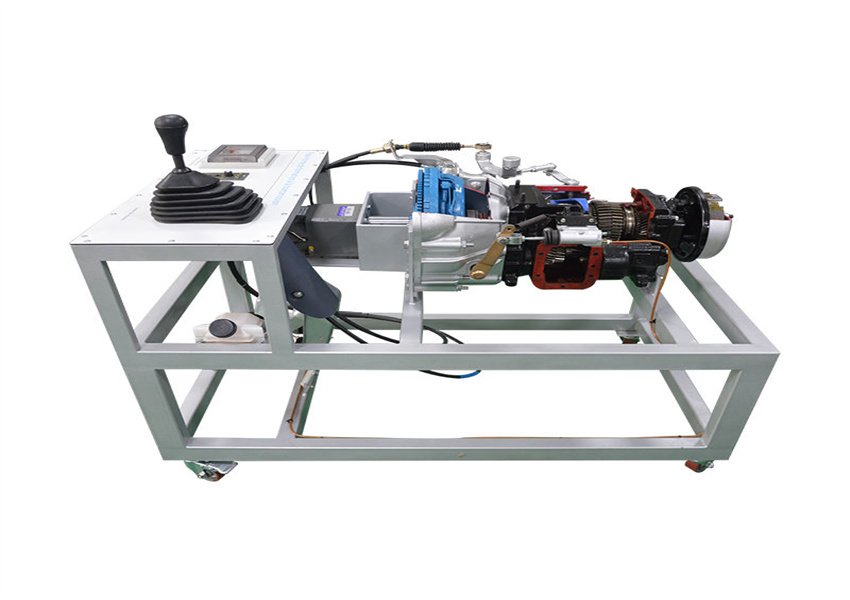
A modern automotive training laboratory usually requires more than one type of training platform. Engine training equipment can support mechanical and engine control education, while electrical and diagnostic equipment can provide practical experience with vehicle electronics. EV training systems can introduce students to battery and high-voltage technology, while chassis equipment can support transmission, braking, steering, and suspension training.
By combining different equipment according to the curriculum, schools and training centers can create a more complete practical training environment instead of relying on a single type of teaching platform.
Choosing the Right Automotive Training Equipment
The right automotive training equipment should be selected according to the curriculum, student level, training objectives, available laboratory space, required functions, budget, and future development plans. A suitable system should provide useful practical experience while remaining safe, reliable, and easy to support.
For B2B buyers, the supplier’s manufacturing capability and technical service are also important. A manufacturer that can provide product customization, quality control, technical documentation, installation support, and long-term service can offer greater value throughout the equipment’s service life.
Conclusion
Automotive training equipment plays an important role in connecting automotive theory with practical education. From engine operation and electrical systems to vehicle diagnostics, chassis technology, and electric vehicles, practical training equipment can help students develop a deeper understanding of modern automotive technology.
As automotive technology continues to evolve, training institutions also need equipment that can adapt to new teaching requirements. Whether you are setting up a new automotive laboratory, upgrading existing equipment, or developing a specialized training program, choosing the right training system can create a stronger foundation for practical automotive education.