Automotive technology is changing quickly. A modern vehicle is no longer just a combination of mechanical parts. Engine control units, sensors, electronic systems, communication networks, diagnostic tools, and electric powertrains are now part of everyday automotive work.
That creates a challenge for automotive education. Students need to understand the theory, but they also need somewhere to put that knowledge into practice.
This is where automotive training equipment becomes useful. A well-designed training bench or training system gives students a controlled environment where they can operate systems, take measurements, diagnose faults, and understand how different components work together.
Turning Classroom Theory Into Practical Skills
Reading about an engine management system in a textbook is very different from working with one in a training laboratory.
During practical training, students can see how a system operates, follow a wiring diagram, check a sensor signal, use a diagnostic connector, or investigate a fault. These activities help connect technical theory with the type of work students may encounter after graduation.
This is particularly important in vocational education, where practical skills are a major part of technician training. Automotive training needs to cover not only technical knowledge, but also measurement, diagnosis, maintenance procedures, and problem-solving.
A training bench makes these activities easier to organize. Instructors can demonstrate the same procedure to different groups, while students have an opportunity to repeat the work themselves.
Engine Training Equipment for Hands-On Learning
Engine systems are still a fundamental part of automotive education.
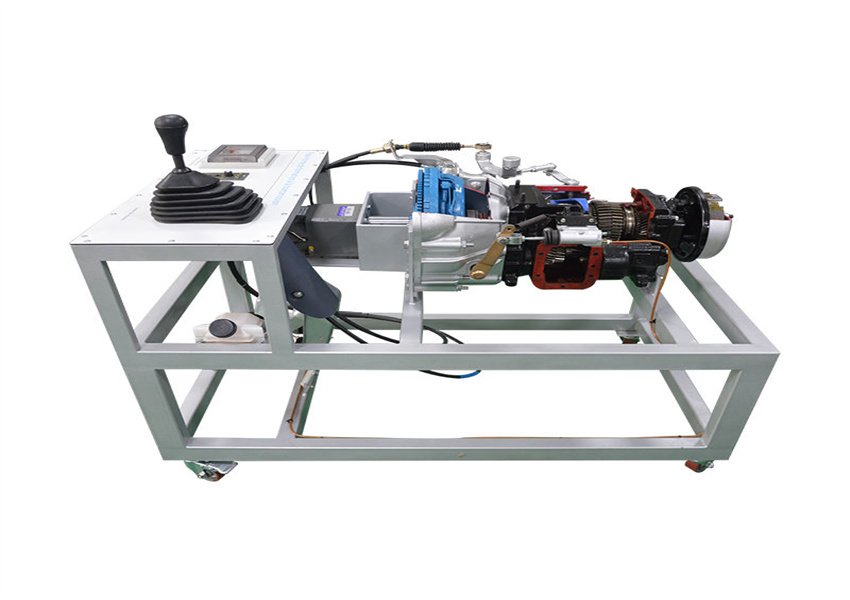
Students may need to understand engine structure, starting, idling, acceleration, electronic fuel injection, sensors, actuators, and engine management systems. A running engine training bench allows these subjects to be taught in a much more practical way.
For example, an Electronically Controlled Diesel Engine Test Bench can be used to demonstrate normal engine operation while also giving students access to components, test points, diagnostic connections, and related control systems.
Fault simulation can make the training more useful. Instead of simply showing students how an engine normally operates, the instructor can introduce a fault and ask students to work through the diagnostic process.
They can observe the symptoms, take measurements, check the relevant circuit, use diagnostic equipment, and decide what may be causing the problem.
That kind of exercise helps students develop a diagnostic process rather than simply memorize a fault code or repair procedure.
Electrical Training Builds a Stronger Understanding of Modern Vehicles
Electrical systems are becoming increasingly important in automotive education.
Starting and charging systems, lighting, sensors, actuators, control units, wiring, and communication systems all require students to understand how electrical signals move through a vehicle.
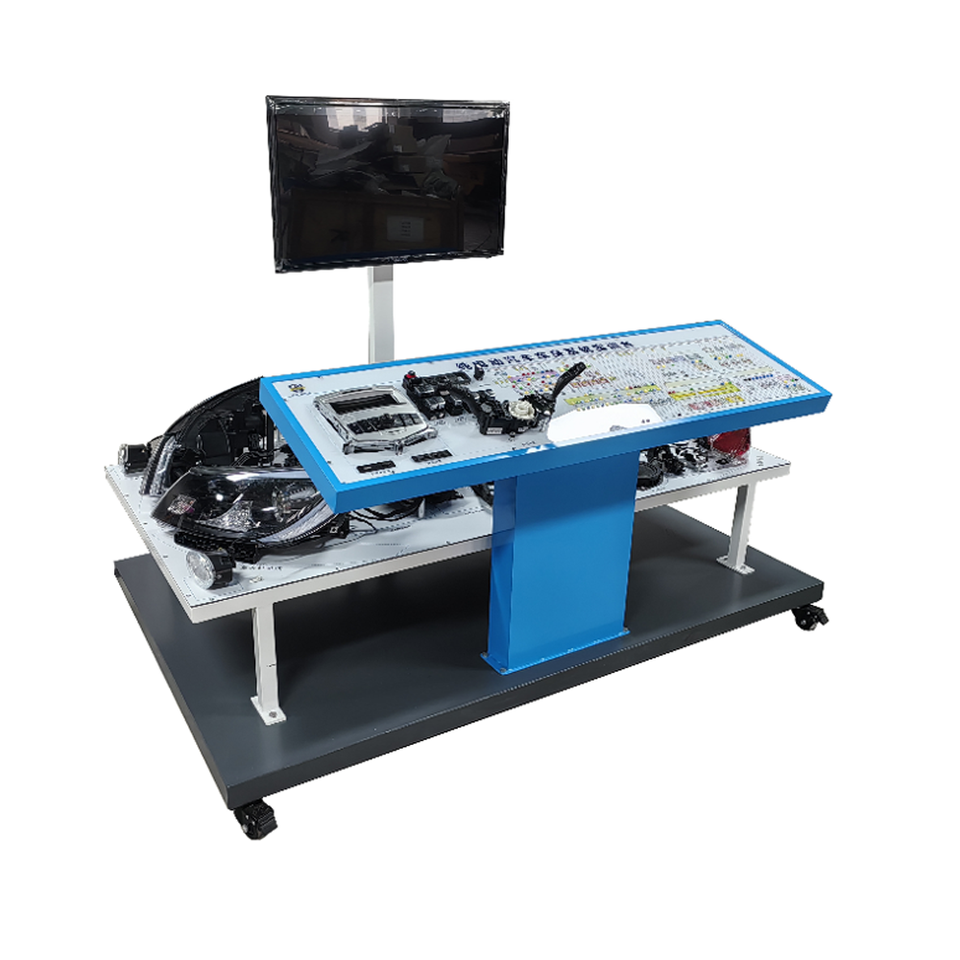
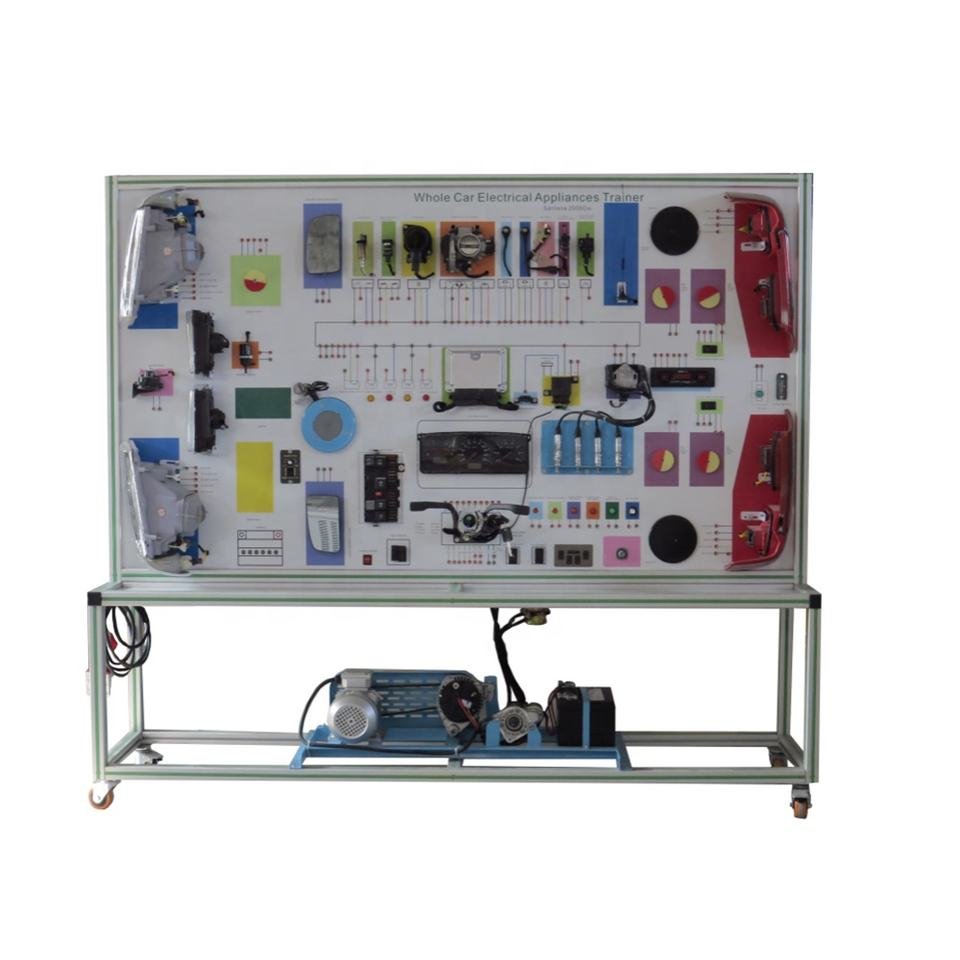
An Automotive Electrical Training Bench gives students a practical place to study these systems.
Instead of looking at a wiring diagram only on paper, students can work with actual circuits and testing points. They can use measuring instruments, compare signals, follow circuit paths, and understand what happens when a component or connection changes.
Electrical training can also provide a foundation for more advanced subjects such as ECU diagnosis, OBD communication, and CAN Bus systems.
For schools building a broader automotive curriculum, this makes electrical training equipment a useful complement to engine training equipment.
Diagnostic Training Is About the Process, Not Just the Fault
Learning how to diagnose a vehicle is different from learning what each component does.
A good diagnostic process starts with a symptom. The technician then needs to gather information, identify the relevant system, perform measurements, interpret the results, and narrow down the possible causes.
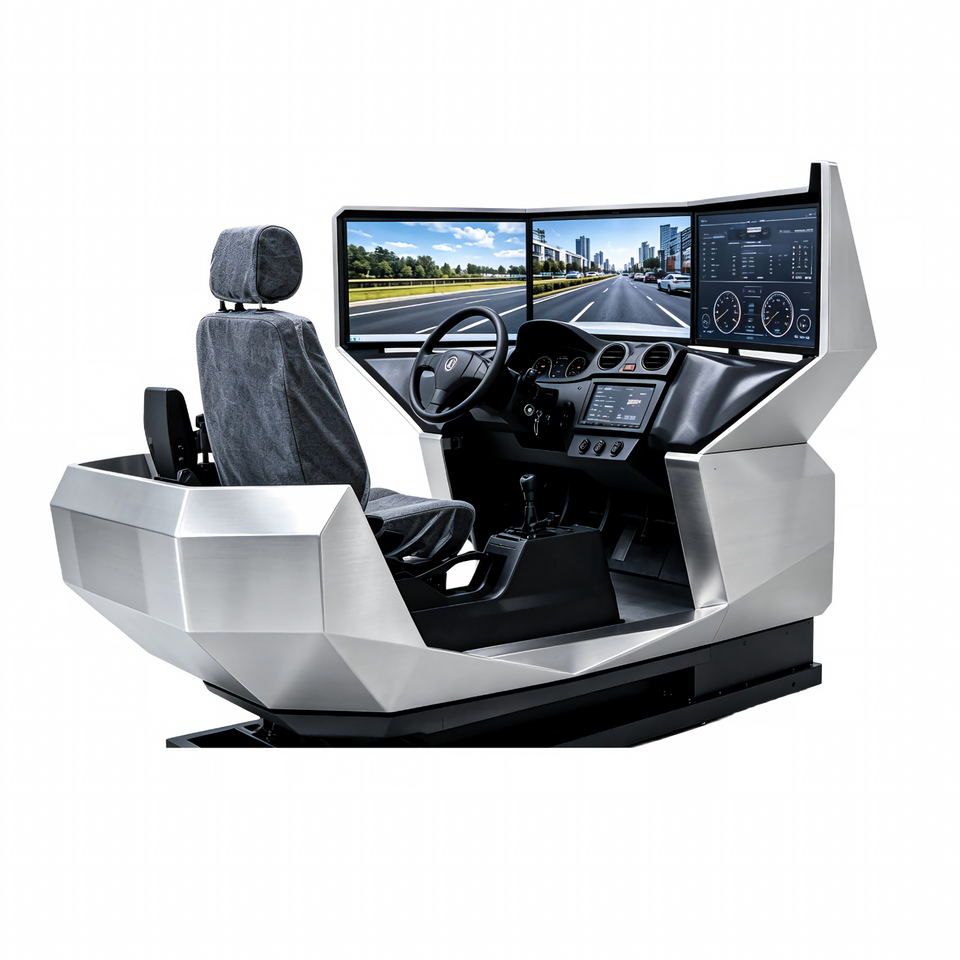
Automotive Diagnostic Training Equipment can give students a safe and repeatable environment in which to practice this process.
Fault simulation is especially helpful here. Instructors can introduce common faults and allow students to investigate them without relying on a naturally occurring vehicle problem.
Students can make a wrong assumption, go back to the measurements, and try another approach. That is part of learning diagnosis.
Over time, repeated practice can help students become more confident when dealing with unfamiliar faults.
EV Training Equipment for New Energy Vehicle Education
The move toward electric and hybrid vehicles has also changed what automotive students need to learn.
Battery systems, battery management systems, electric motors, motor controllers, charging systems, power electronics, and high-voltage components are now relevant to many automotive training programs.
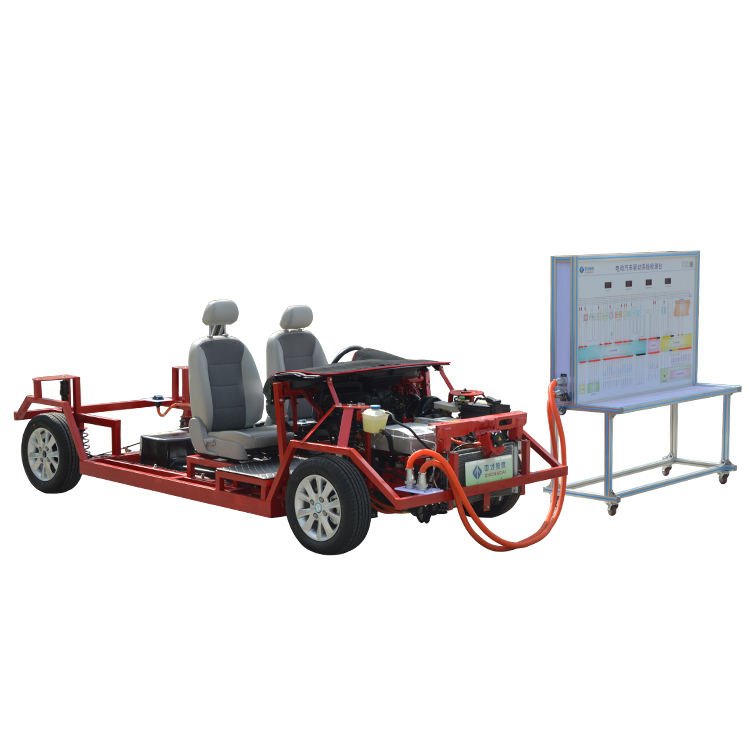
EV Training Equipment provides a practical way to introduce these technologies into the classroom.
The right configuration depends on the level of the course. An introductory program may focus on EV structure and the purpose of major components. More advanced training may require battery management, motor control, system measurements, diagnosis, or other practical exercises.
High-voltage safety also needs to be considered when setting up EV training. Equipment selection should match the intended training tasks, while operating procedures and safety training should be provided before practical work begins.
The Right Equipment Depends on Who Is Being Trained
There is no single automotive training setup that works equally well for every organization.
A vocational school may need engine, electrical, and diagnostic equipment for basic and intermediate automotive maintenance courses.
A university or technical college may need more advanced systems covering vehicle electronics, ECU technology, communication networks, and electric vehicles.
A professional training center may prefer flexible equipment that can be used for different courses and student levels.
Automotive manufacturers can have different requirements again. They may need customized training systems for a particular vehicle technology, employee training program, technical demonstration, or internal skills development.
The curriculum should come first. Once the training objectives are clear, the equipment can be selected around them.
Consider the Training Environment Before You Buy
The equipment itself is only part of the decision.
The available laboratory space can affect the size and configuration of a training bench. Equipment that needs to be moved between classrooms may benefit from lockable swivel casters. A permanent training station may require a different setup.
Power requirements, working space, student numbers, instructor access, storage, and safety should also be considered.
These details may seem small when looking at a product page, but they become important once several machines are installed in the same training laboratory.
A good equipment plan should consider the entire room rather than each machine separately.
Technical Support Matters After Delivery
Buying the equipment is only the beginning.
Teachers may need help with installation, software, operating procedures, or the first training session. Students may also need supporting materials to understand how the system should be used.
For this reason, technical documentation is worth considering during supplier selection.
Our support package can include software, instruction manuals, training videos, remote technical support, and technician guidance when required. This gives instructors more resources when bringing new equipment into their existing teaching program.
For larger projects, installation and training support can also be discussed before shipment so that the equipment arrives with a clear plan for use.
When Custom Automotive Training Equipment Makes Sense
Not every school has the same laboratory, and not every training program has the same requirements.
Sometimes a standard product is enough. In other cases, the equipment needs to be changed to fit the project.
For example, a customer may need a different equipment size because of limited laboratory space. Another may want a different appearance, structure, material, control panel, or training function.
Our OEM and ODM services support customization of structure, size, appearance, material, and function.
For larger education projects, several types of training equipment can also be planned together as part of a Training Laboratory Solution.
This is useful when a customer is setting up a new automotive laboratory rather than purchasing a single machine.
Manufacturing Capability Is Part of the Buying Decision
For a single training machine, product specifications may be the main concern. For a larger project, the manufacturer’s production capability becomes more important.
Production capacity affects how a supplier handles multiple machine sets, customized designs, assembly, testing, and delivery schedules.
Our manufacturing facility covers 2,570 m² and operates 6 production lines. The company focuses on the research, development, production, and supply of automotive teaching equipment.
This manufacturing setup supports both individual equipment orders and larger projects involving multiple training systems.
Warranty and Delivery Should Also Be Compared
A training machine is normally expected to be used for years, so the purchase price should not be the only comparison point.
Warranty terms, technical support, documentation, spare parts, and delivery arrangements can all affect the actual cost of ownership.
Our current product information includes a 2-year warranty and a reported 100% on-time dispatch rate.
For international projects, equipment can be shipped by sea, air, or express, depending on the machine size, destination, and required delivery schedule.
These details are worth confirming before production begins, especially when equipment is being purchased for a new laboratory with a fixed opening date.
Build the Training Program Around the Equipment
A successful automotive training laboratory does not necessarily need the largest number of machines.
What matters is whether the equipment supports the curriculum.
An engine training bench can provide the foundation for engine and powertrain education. Electrical training equipment can be used for circuits, sensors, actuators, and electronic systems. Diagnostic equipment can support fault-finding and ECU training. EV equipment can introduce battery, motor, controller, and high-voltage technologies.
The different systems can then be supported by training software, manuals, circuit diagrams, videos, and technical assistance.
When these elements are planned together, the result is a complete automotive training system rather than a collection of unrelated machines.
Choosing an Automotive Training Equipment Manufacturer
When a school, training center, university, or automotive company invests in training equipment, the supplier matters just as much as the individual product.
Look at the manufacturer’s production capability, customization options, technical support, warranty, quality control, and ability to supply different equipment categories.
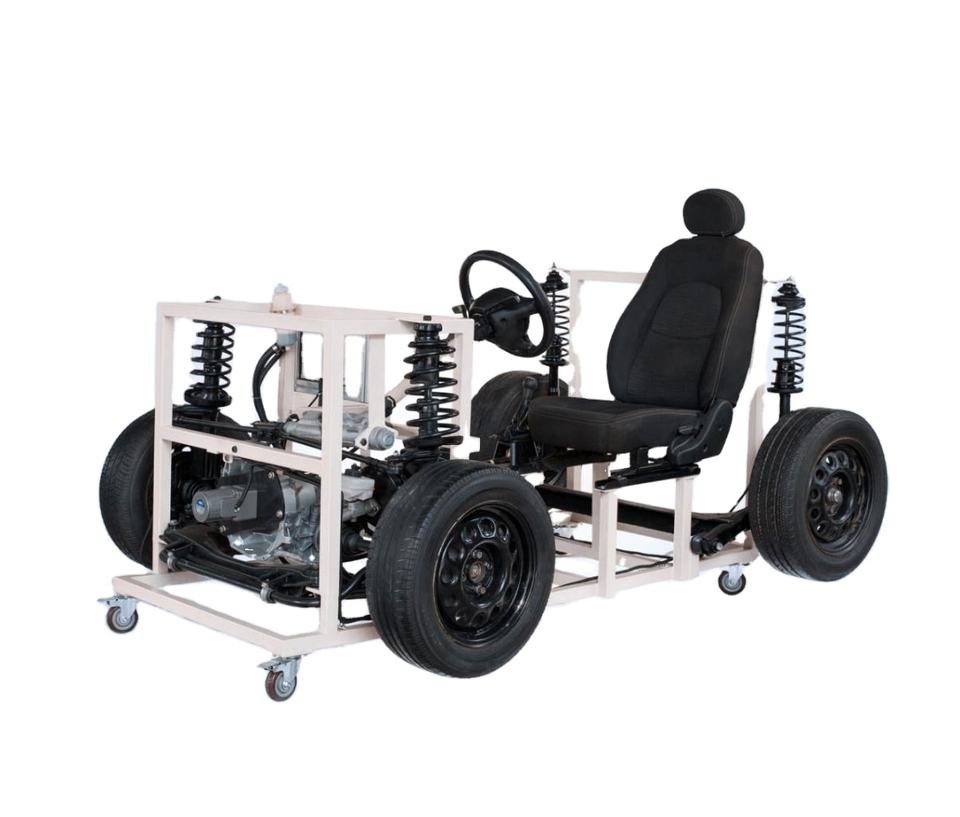
It is also worth considering whether the supplier can support the project later. A school may start with engine equipment and add electrical, diagnostic, chassis, or EV systems as the curriculum grows.
Our MOQ can start from 1 set, so customers can purchase individual machines for specific teaching requirements. OEM and ODM services are also available for projects that require customized equipment.
Practical Training Starts With the Right Equipment
The purpose of automotive training equipment is not simply to place a vehicle component inside a classroom.
Its real value is giving students a place to operate, measure, diagnose, and troubleshoot.
The right combination of engine training equipment, automotive electrical training equipment, automotive diagnostic training equipment, and EV training equipment can help schools and training organizations build practical courses around the skills their students actually need.
For a new laboratory or an existing training program that needs upgrading, start with the curriculum, the students, and the available training space. Then choose the equipment that supports those requirements.