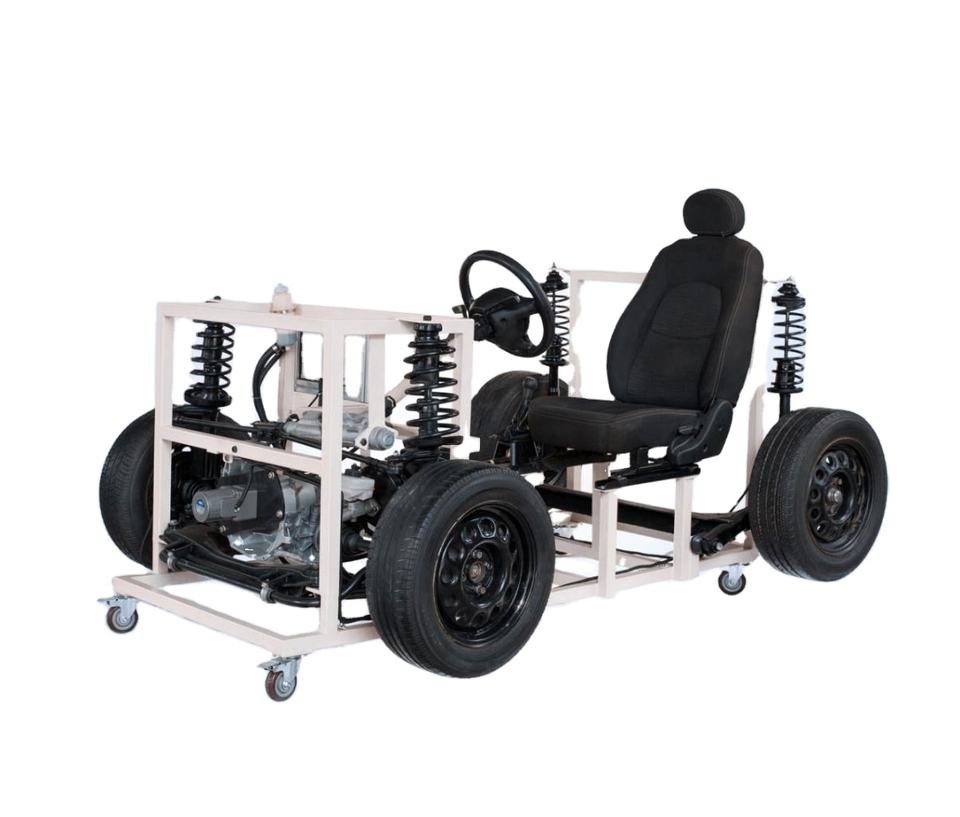
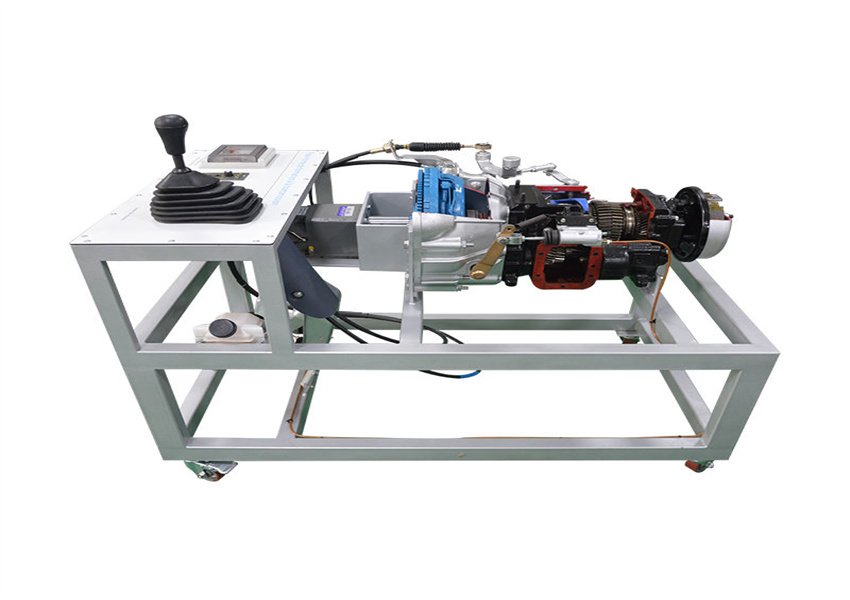
Choosing automotive training equipment involves more than checking the price and basic product information. For vocational schools, universities, training centers and automotive companies, the equipment needs to match the training program, available space and practical teaching requirements.
A useful specification should tell you what the equipment is designed for, what is included, how it needs to be installed and what students can actually do with it.
This guide explains the main specifications to review when comparing automotive training equipment and preparing a training equipment project.
Start With the Training Application
The training application should come before the technical specification.
Different automotive subjects require different equipment configurations. Engine training, electrical training, diagnostic training, EV training and chassis training do not use the same type of equipment or require the same practical functions.
For example, a program focused on engine systems may need equipment that allows students to observe and operate relevant engine components. An electrical training program may require accessible circuits, measurement points and electrical system components. A diagnostic program may place more emphasis on testing and diagnostic interfaces.
The first question for a buyer should therefore be:
What do students need to learn and practice with this equipment?
Once this is clear, the relevant specifications become much easier to define.
Equipment Dimensions and Training Space
Equipment dimensions are important when planning a classroom or automotive training laboratory.
The basic length, width and height should be checked against the available floor space. However, the equipment footprint is not the only consideration. Students and instructors also need sufficient space to operate controls, access components and observe demonstrations.
When several training systems are installed in the same facility, their positions should be considered together rather than separately.
For larger projects, equipment specifications should be reviewed as part of the overall Training Laboratory Solutions plan. This helps ensure that the selected equipment works within the planned teaching environment.
Equipment Configuration
The configuration tells the buyer what is actually included in the equipment.
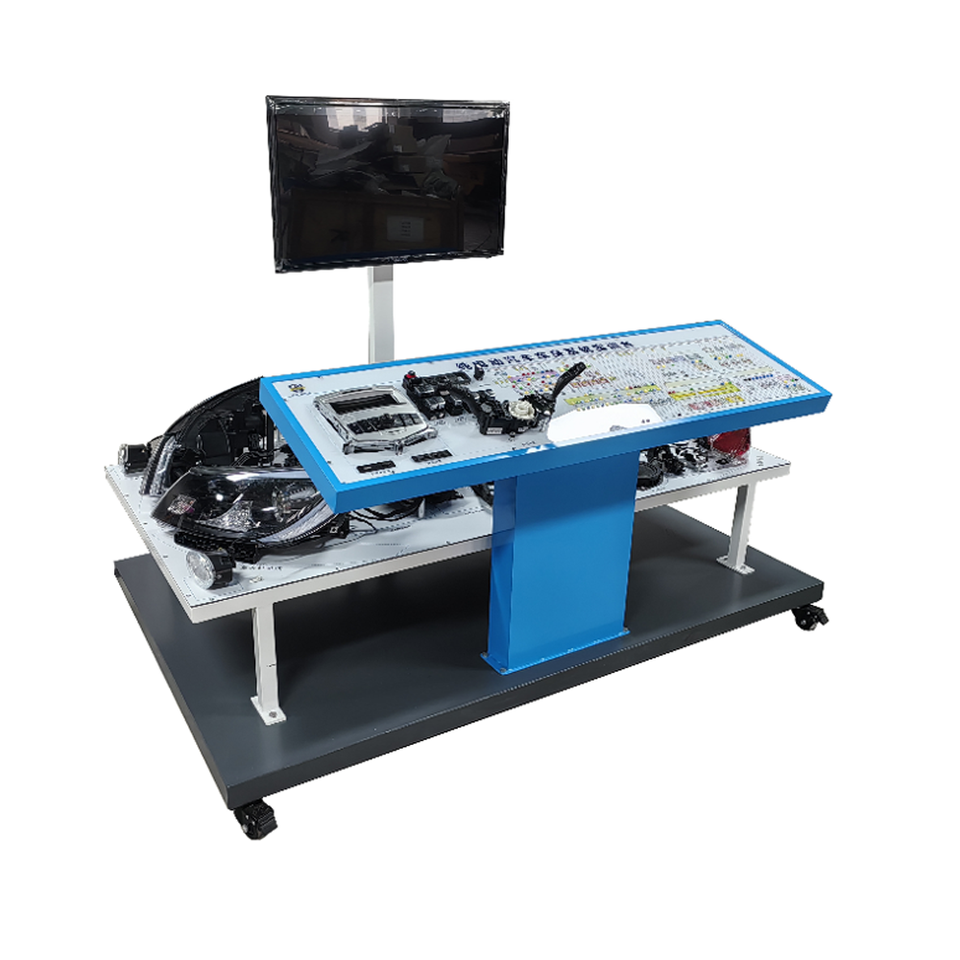
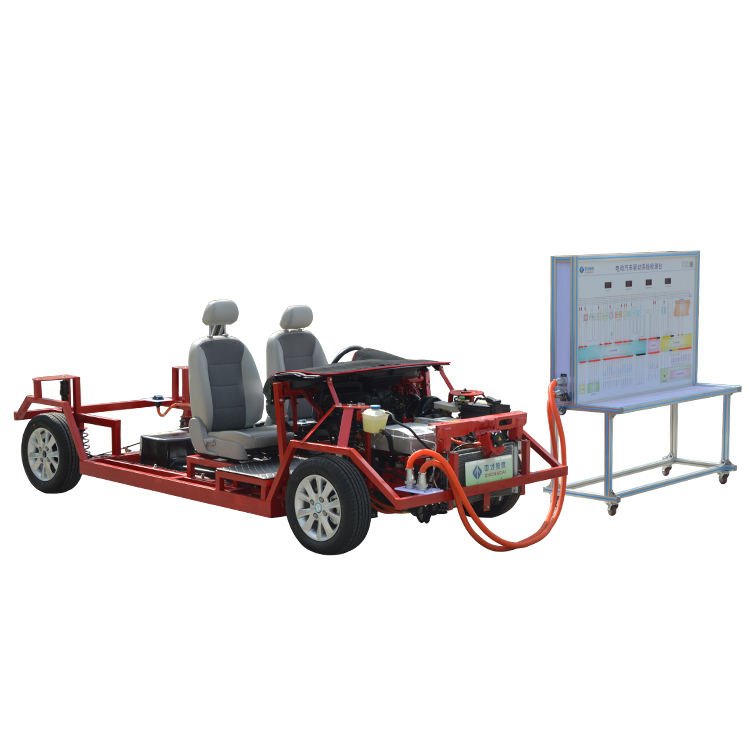
Depending on the training application, a system may contain a training bench or panel, automotive components, control elements, connectors, measurement points, demonstration parts and other supporting components.
This is an important point when comparing quotations from different suppliers. Two products with similar names may have different configurations and therefore support different training activities.
Before ordering, ask the manufacturer to provide a clear equipment configuration or specification sheet. It should be possible to identify the main components and functions included in the quoted equipment.
Power and Electrical Requirements
Power requirements should be confirmed before installation.
The specification should clearly identify the applicable power supply and working electrical requirements for the equipment. These requirements need to be compatible with the intended training facility.
This becomes more important when several systems are being installed in one laboratory. Confirming the requirements in advance allows the buyer to plan the installation instead of dealing with unexpected requirements after delivery.
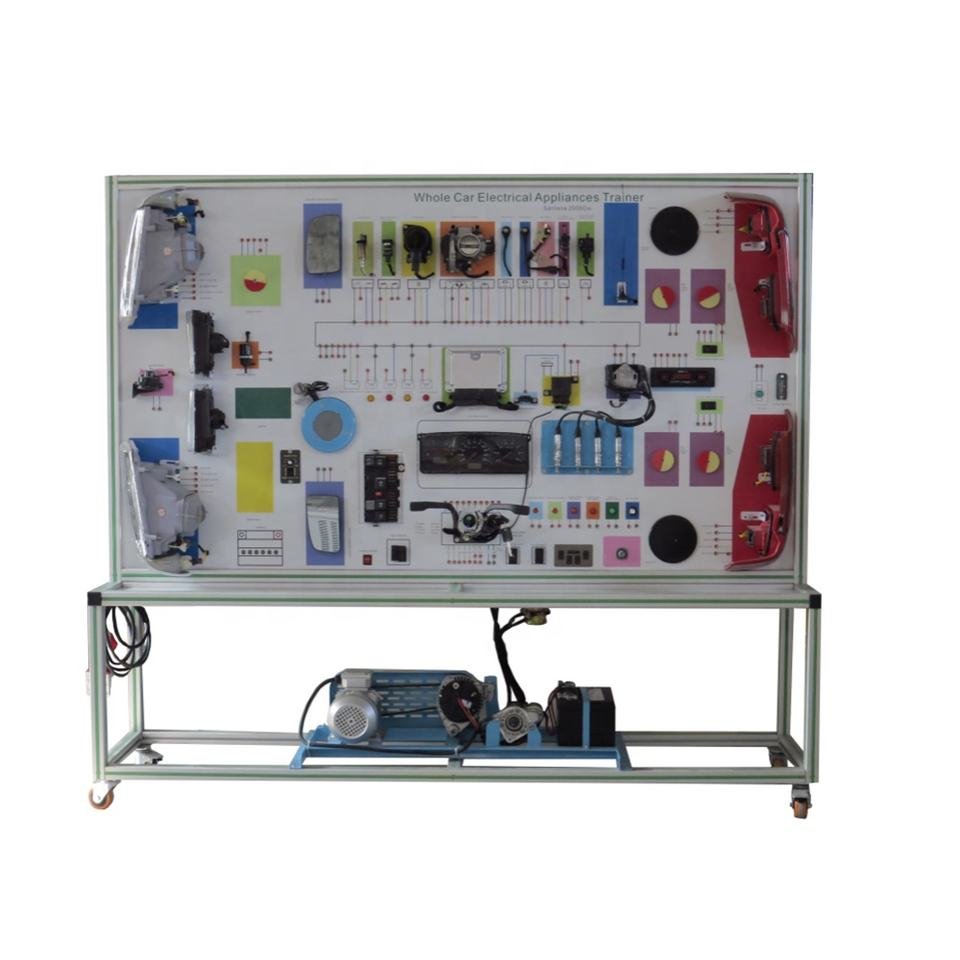
For electrical training equipment, buyers should also check whether the equipment provides the interfaces and measurement points required for the planned practical exercises.
Training Functions and Practical Operation
A training device should be evaluated according to what students can actually do with it.
Some equipment is designed primarily for component or system demonstration. Other systems are intended for hands-on operation, measurement, testing or troubleshooting.
These differences should be reflected in the equipment specification.
For example, Automotive Engine Training Equipment should be evaluated according to the engine-related training activities it supports, rather than simply its physical appearance or size.
The same principle applies to electrical, diagnostic, EV and chassis training equipment.
A longer list of functions does not automatically mean that the equipment is better. The more useful question is whether those functions are relevant to the curriculum.
Diagnostic and Measurement Requirements
Diagnostic training requires particular attention to interfaces and measurement functions.
If students are expected to practice testing or troubleshooting, the buyer should confirm how the equipment provides access to the relevant systems and measurements.
For communication-related training, for example, a CAN Bus Trainer may be used when CAN communication is part of the training program.
The required diagnostic functions should be defined according to the curriculum. Buyers should not select a system simply because it lists more diagnostic features than another product.
Installation and Daily Use
Specifications should also be considered from the point of view of daily use.
Before ordering, consider how the equipment will be delivered, positioned and used in the training room. If the equipment needs to be moved, the buyer should confirm the relevant design and mobility requirements with the manufacturer.
The operating area should also be accessible to both instructors and students. Controls, connectors, measurement points and demonstration components should be positioned in a way that supports the intended training activities.
These practical details can have a direct effect on how useful the equipment is after installation.
When Custom Equipment Makes Sense
Standard equipment is not always the best fit for every training project.
Customization may be worth considering when a school or training center has specific requirements for equipment size, structure, configuration, appearance or training functions.
For example, the available classroom space may require a different equipment configuration, or a training program may require a combination of functions that is not available in a standard model.
In these situations, Custom Training Equipment allows the project requirements to be discussed with the manufacturer before production.
For custom projects, the most important step is to define the required specifications clearly before manufacturing begins.
Compare the Specifications, Not Just the Price
Price is an important part of a B2B purchasing decision, but it should not be the only comparison point.
When evaluating different suppliers, compare the equipment configuration, dimensions, electrical requirements, training functions, diagnostic capabilities and customization requirements together.
It is also useful to check exactly what is included in the quotation. A lower price does not necessarily represent the same equipment configuration as a higher quotation.
A clear specification comparison gives the purchasing team a better basis for evaluating different suppliers.
What to Confirm Before Ordering
Before placing an order, confirm the specifications that directly affect the project.
These may include:
- Equipment configuration and included components
- Overall dimensions
- Power and electrical requirements
- Training functions
- Diagnostic or measurement functions, where applicable
- Installation requirements
- Customization requirements
- Packaging and delivery arrangements
For customized equipment, these details should be confirmed before production starts.
The final specification should provide a clear reference for both the buyer and manufacturer throughout the project.
A Practical Approach to Equipment Selection
The most effective way to select automotive training equipment is to work from the training requirement toward the equipment specification.
First define the training objectives. Then determine the required equipment type, configuration and functions. After that, check the physical, electrical and installation requirements.
This approach helps avoid choosing equipment simply because it has a long specification list or a lower price.
It also makes communication with the manufacturer more straightforward when the project involves multiple equipment types or customized requirements.
Conclusion
Good automotive training equipment specifications should answer practical questions: What will students learn with the equipment? What is included? Will it fit the training space? What are the electrical and installation requirements? Can it support the required practical functions?
By reviewing these points before purchasing, vocational schools, universities, training centers and automotive companies can compare equipment more effectively and define clearer project requirements.
If your training program has specific equipment or configuration requirements, Discuss Your Requirements with the manufacturer before making the final selection.