
Electric Seat System Training Board
The Electric Seat System Training Board is built around a real automotive electric seat system, including the electric seat assembly, control switches, 12V power supply, demonstration platform, and electrical circuit diagram. It allows students to study seat-system structure and operation under different working conditions, while also supporting data-flow analysis, fault-code diagnosis, and sensor and actuator testing.
Price: Approximately US$1,402–1,785 / set
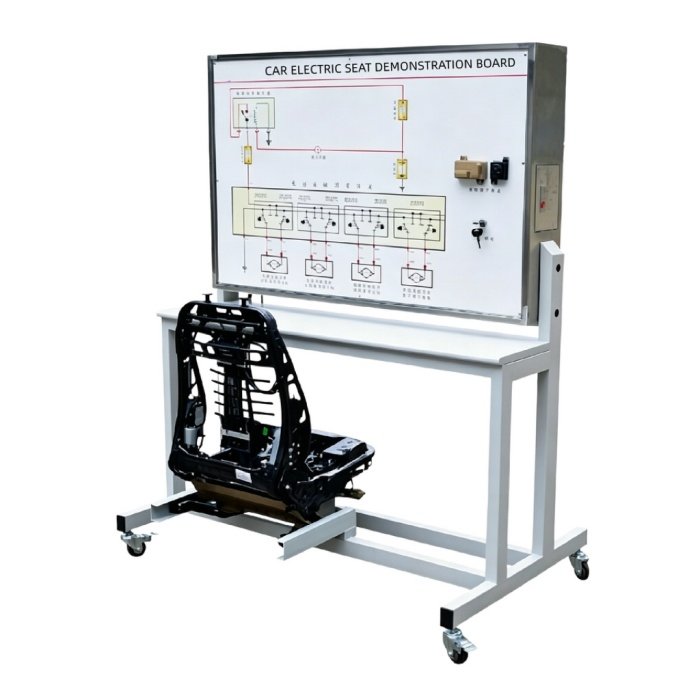
Electric Seat System Training Board Systems & Training Functions
The trainer combines a real electric seat system with practical electrical and diagnostic training, covering system structure, operating conditions, data-flow analysis, fault-code diagnosis, and component testing.
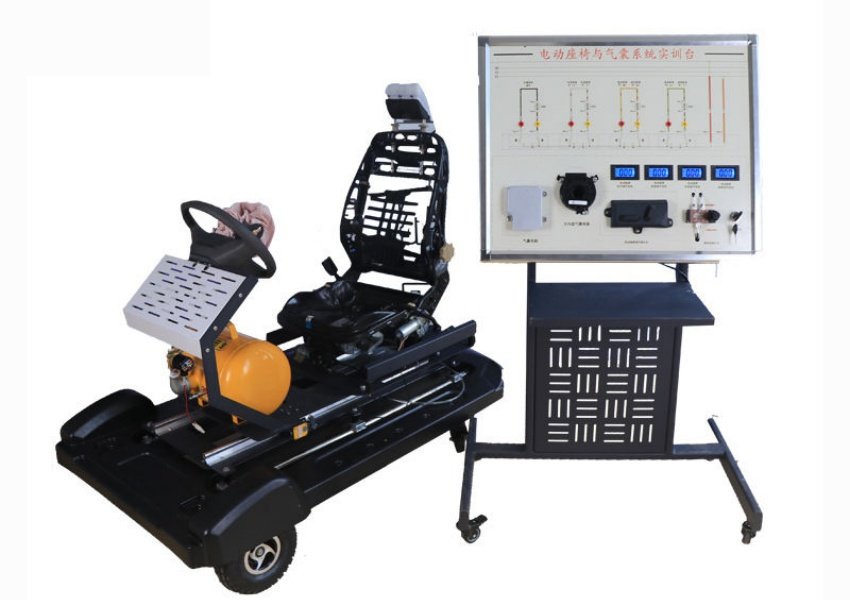
1. Electric Seat System Structure: Students study the main components and circuit relationships of the electric seat system through the actual seat assembly, control switches, power supply, and electrical circuit diagram.
2. Operating Principle Under Different Conditions: The trainer supports analysis of how the electric seat system operates under different working conditions, helping students connect switch inputs, system operation, and seat movement.
3. Data-Flow Reading & Analysis: Students can read and analyze relevant system data to understand how operating information changes during system operation and use the results as part of diagnostic training.
4. Fault-Code Diagnosis & Component Testing: The trainer supports reading and clearing fault codes, together with sensor and actuator testing, analysis, and diagnosis to develop practical troubleshooting skills.
Practical Training Workflow
The training process moves from understanding the physical system to interpreting its operating information and performing diagnosis, allowing students to connect electrical structure, system behavior, and diagnostic results.
1. Identify the System Structure: Students identify the electric seat assembly, control switches, power supply, and relevant circuit connections using the physical trainer and circuit diagram.
2. Operate the Seat System: Students operate the control switches under defined working conditions and observe the corresponding seat-system response.
3. Analyze System Data: Students read relevant data flow and compare the information with the current operating condition to understand the system’s operating status.
4. Read Fault Codes and Test Components: When a fault condition is present, students read and clear fault codes and carry out sensor or actuator testing according to the diagnostic task.
5. Analyze and Diagnose the Fault: Students combine system behavior, data information, fault-code results, and component test results to identify the likely fault area and complete the diagnostic task.
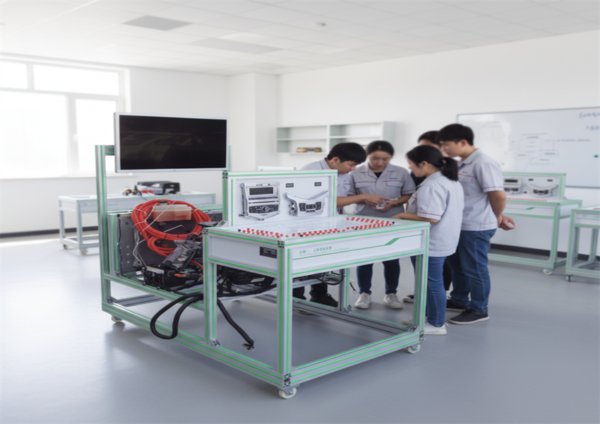
Custom Electric Seat System Training Board
Custom configuration can be considered when the standard trainer needs to match specific electric seat system training requirements or diagnostic teaching arrangements.
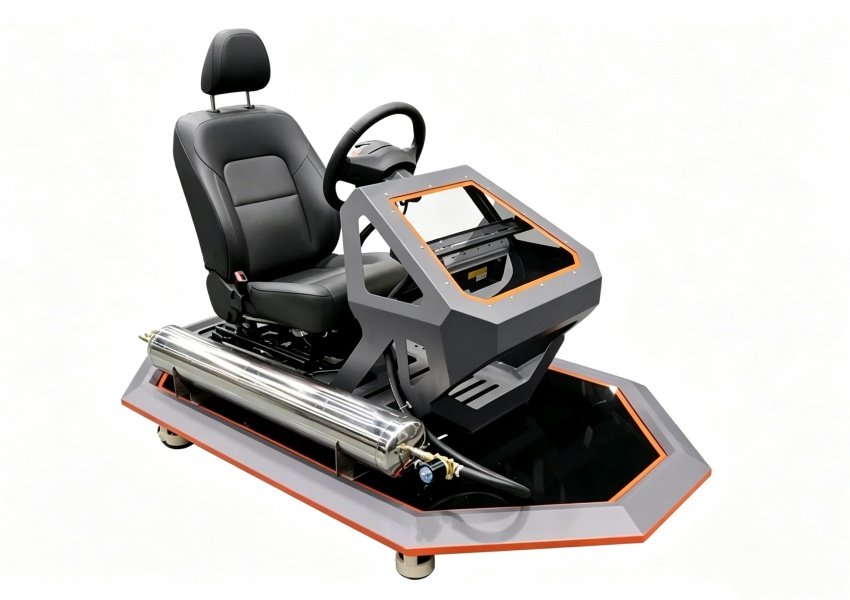
Electric Seat System Configuration
The represented electric seat system and related components can be discussed according to the required training scope and the functions that students need to practice.
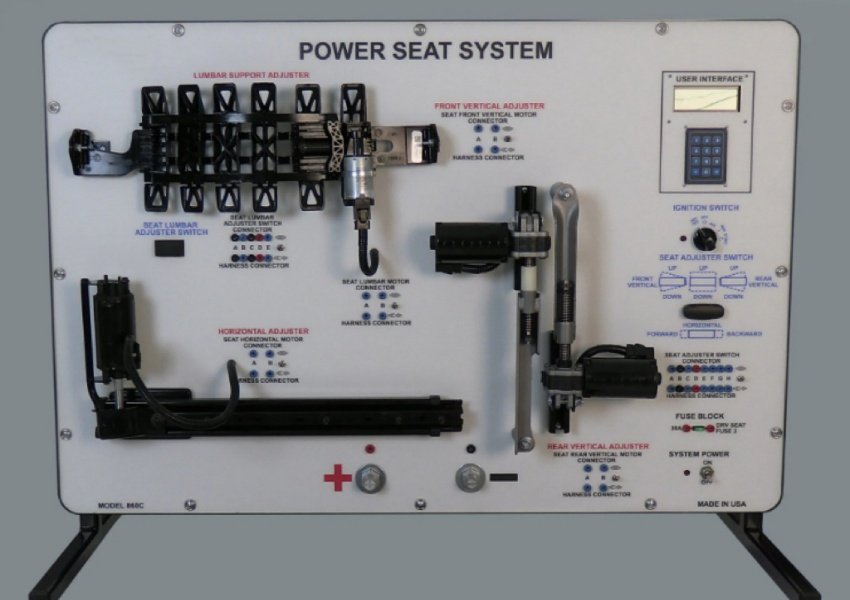
Diagnostic Training Scope
The diagnostic configuration can be defined around the required data-flow analysis, fault-code operations, and sensor or actuator testing that the training program needs to cover.
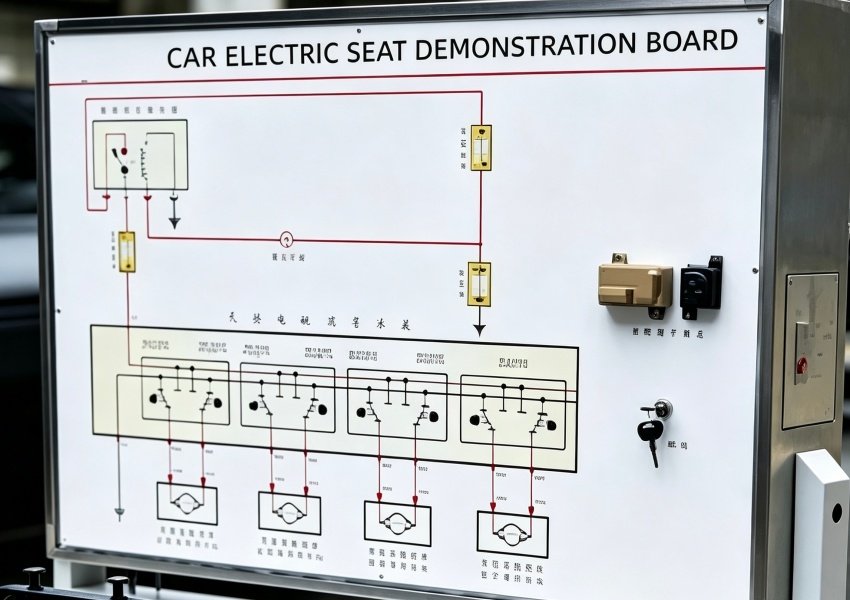
Training Platform & Circuit Presentation
The physical arrangement and circuit presentation can be discussed when the standard platform needs to fit a specific teaching or laboratory setup.
Electric Seat System Training Board Price, Lead Time, Shipping & Installation
Price
The Electric Seat System Training Board is approximately US$1,402–1,785 / set. The final quotation depends on the selected configuration and any agreed customization requirements.
Lead Time
Standard configurations usually require 20–25 working days after requirements, configuration, and order details are confirmed. Custom configurations usually require 30–45 working days, depending on the confirmed requirements.
Pre-Shipment Inspection
Before shipment, the equipment is pre-assembled and functionally tested against the approved configuration and technical specification. The inspection covers configuration, assembly, electrical connections, system operation, and applicable training and diagnostic functions.
Shipping & Delivery
Overall shipping time is usually about 20–45 days, depending on the destination, shipping method, and route. The appropriate shipping arrangement can be discussed according to the delivery location and project requirements.
Installation & Technical Support
HS provides installation guidance together with technical support materials such as manuals and videos. Technician guidance can also be provided where applicable to help users complete setup and begin practical training.
Send Your Inquiry Today
FAQ About Electric Seat System Training Board
1. What should buyers evaluate beyond the basic components of an electric seat trainer?
The key question is not simply whether the trainer contains a seat assembly, switches, power supply, and circuit diagram, but whether these elements support the intended training tasks as one usable system. The relationship between physical operation, electrical information, data analysis, and diagnosis should be clear enough for students to follow a complete training logic rather than study each element separately.
2. Why does the relationship between the circuit diagram and the physical system matter?
For electrical training, a circuit diagram has value only when students can relate the represented circuit to the actual system they operate. This relationship makes it possible to move from identifying a circuit path to understanding system behavior and then using that understanding during testing and diagnosis.
3. How can the training avoid becoming a simple fault-code reading exercise?
A fault code provides diagnostic information, but it does not necessarily identify the actual cause by itself. Combining fault-code information with sensor and actuator testing gives students a basis for checking the affected components and analyzing whether the diagnostic information is consistent with the actual system condition.
4. What configuration differences should be confirmed if the trainer is used for a specific training program?
The required training scope should be defined before the configuration is finalized, particularly where the program has specific requirements for operating conditions, data analysis, diagnostic tasks, or component testing. This prevents the equipment from being selected only according to its appearance or component list while overlooking what students actually need to practice.
5.Which details become important when the equipment is used repeatedly for teaching?
Repeated classroom operation places more importance on whether the operating controls, circuit presentation, component access, and training interfaces remain practical for repeated observation and testing. These details may not be obvious from a product photo, but they directly affect how easily instructors can organize practical exercises and how effectively students can perform the required tasks.
6. What if we know the training objectives but do not know the exact technical configuration?
You do not need to prepare a complete technical specification before contacting HS. Providing the training objectives, practical tasks, diagnostic scope, and any known laboratory requirements gives HS a basis for discussing which parts of the standard configuration need to be retained, clarified, or adjusted.
Related Automotive Training Equipment
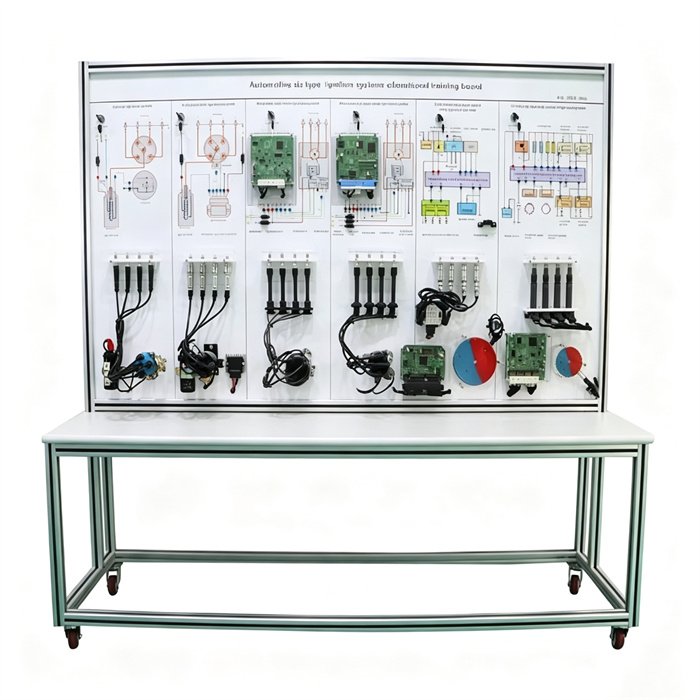
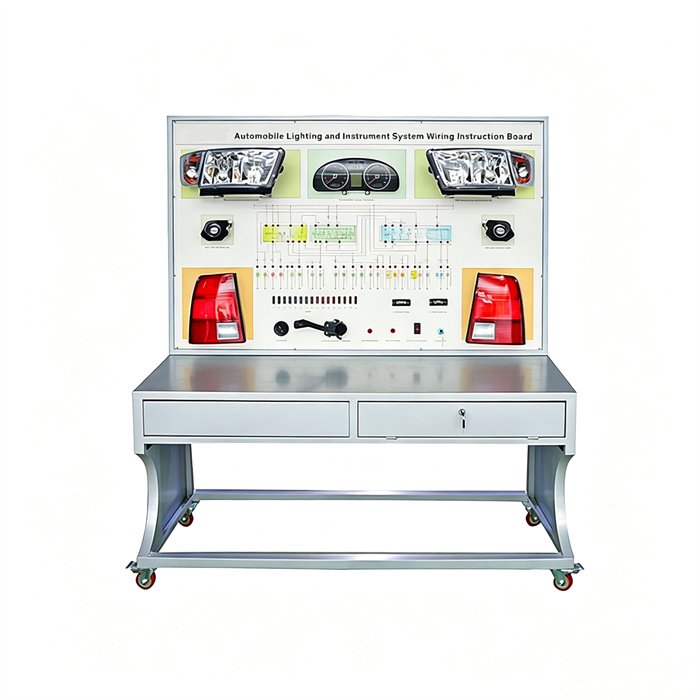
HS also provides related automotive training equipment for broader practical training programs, including:
Request an Electric Seat System Training Board Quote
Have a training requirement but not sure what equipment configuration you need? Talk to HS.