
Full Automotive Electrical System Trainer
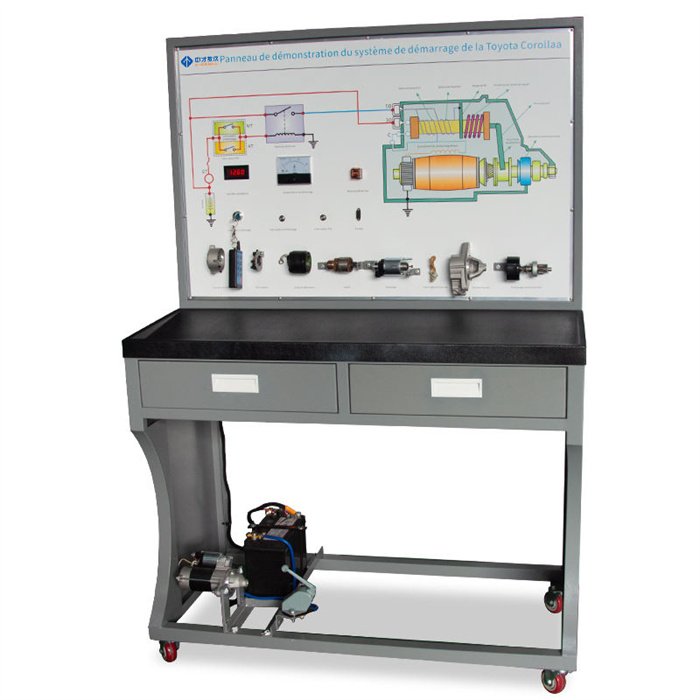
The Full Automotive Electrical System Trainer uses real automotive electrical components and a complete circuit layout to provide hands-on training across integrated vehicle electrical systems. Students can work with actual circuits while developing practical skills in electrical analysis, measurement, signal interpretation, and workshop-level fault diagnosis.
Price: approximately US$3,200–4,500/set
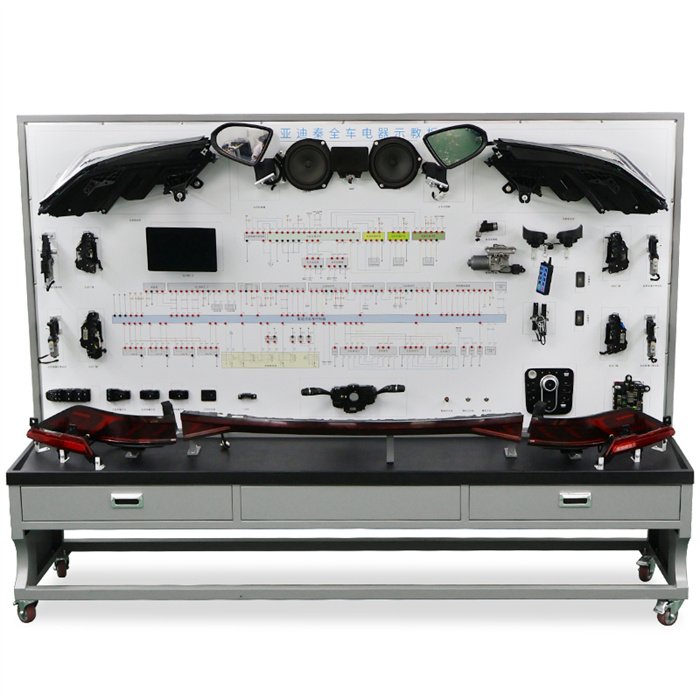
Full Automotive Electrical System Trainer Systems & Training Functions
This trainer integrates multiple vehicle electrical systems into one practical training platform, allowing students to study how individual circuits operate and how electrical problems can be identified through measurable circuit conditions.
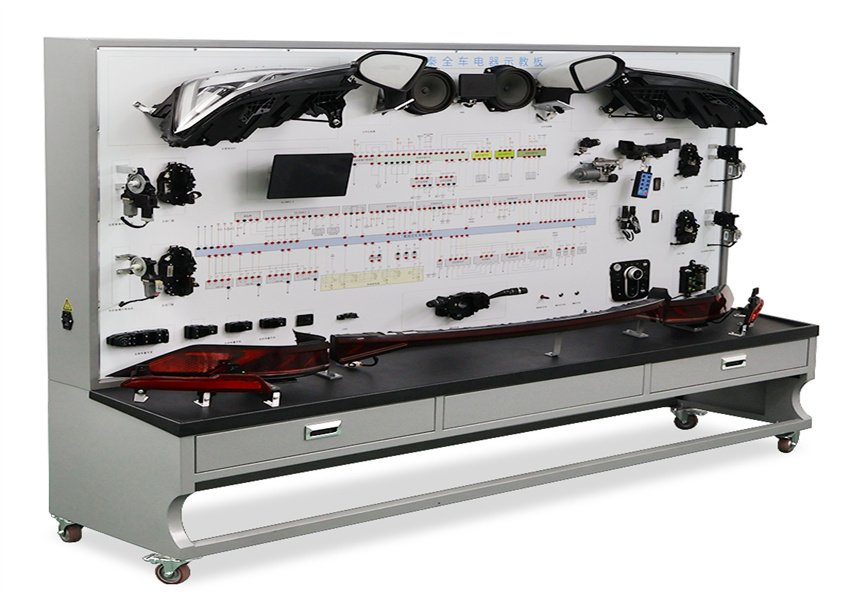
1. Electrical System Structure & Circuit Relationships: Study the structure, components, wiring relationships, and operating principles of the integrated electrical systems. Students learn how individual components interact within a complete vehicle electrical circuit rather than studying isolated components separately.
2. Circuit Operation & Control: Operate the relevant switches and controls to observe circuit responses and understand how electrical signals are generated, transmitted, and controlled during normal system operation.
3. Electrical Measurement & Signal Analysis: Use electrical measuring instruments to check voltage, resistance, continuity, and other available circuit parameters at designated measurement points. Students compare measured values with expected circuit conditions to identify abnormal electrical behavior.
4. Circuit Diagram Analysis: Read and interpret electrical circuit diagrams to trace power supply, control paths, component connections, and signal transmission. This helps students connect schematic information with the actual wiring and components on the trainer.
5. Fault Diagnosis & Troubleshooting: Work with simulated electrical faults to locate abnormal circuit conditions, analyze their causes, and determine appropriate corrective actions. The training emphasizes diagnostic reasoning from measured evidence rather than replacing components based only on symptoms.
Practical Training Workflow
1. Identify the System and Circuit: Students first identify the relevant electrical system, components, wiring, and control relationships from the trainer and its circuit diagram.
2. Operate the Circuit: Operate the corresponding controls and observe how the circuit responds under normal operating conditions.
3. Trace the Electrical Path: Follow the power supply, control, and signal paths through the circuit to understand how the system functions as a complete electrical network.
4. Measure Circuit Conditions: Take measurements at relevant test points and compare the results with the expected electrical conditions.
5. Analyze Abnormal Conditions: When a simulated fault is introduced, use circuit information and measurement results to narrow down the possible fault location and cause.
6. Confirm the Diagnosis: Verify the suspected fault through further measurement or circuit checks before determining the corrective action.
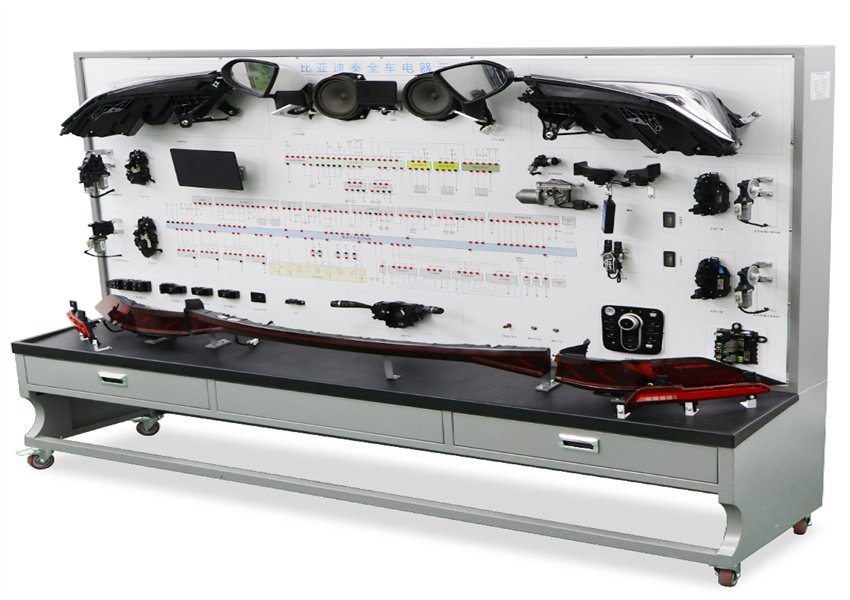
Custom Full Automotive Electrical System Trainer
The training configuration can be developed around the electrical systems and diagnostic depth required by the specific training program. Product-specific customization may include the following options. For broader OEM/ODM requirements, see our Customization Service for additional customization capabilities.
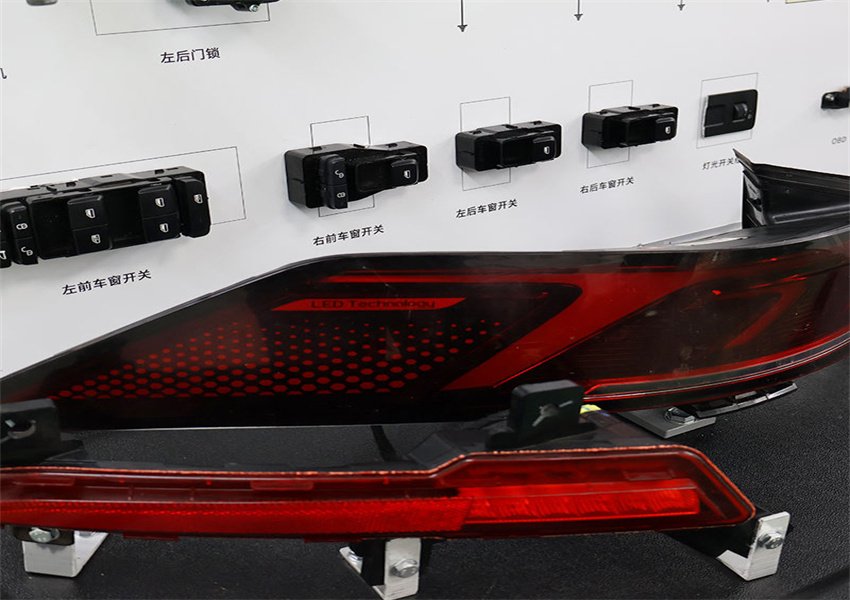
Electrical System Training Scope
Define which vehicle electrical systems are included in the training configuration, based on the systems students need to operate, analyze, and diagnose.
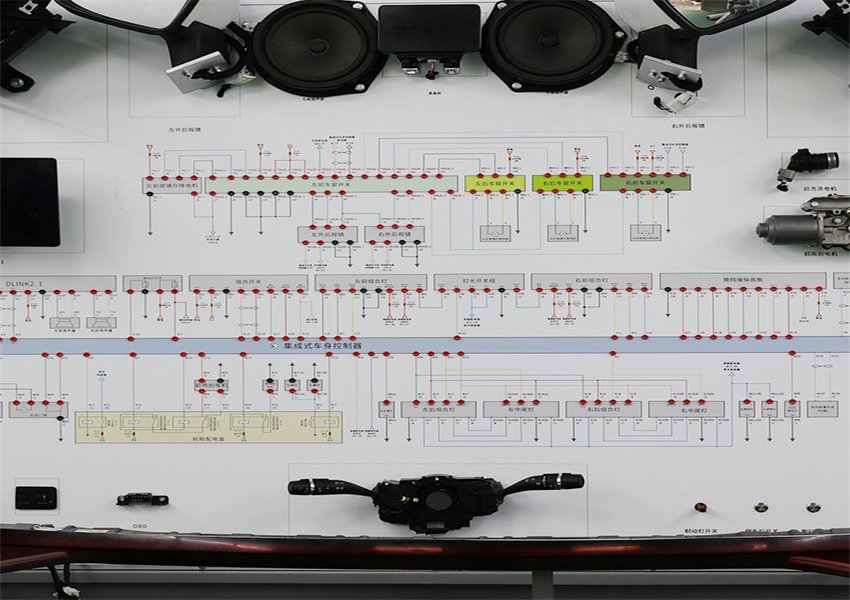
Diagnostic & Measurement Configuration
Configure the measurement and signal-detection scope according to the electrical conditions and diagnostic tasks students need to investigate during practical training.
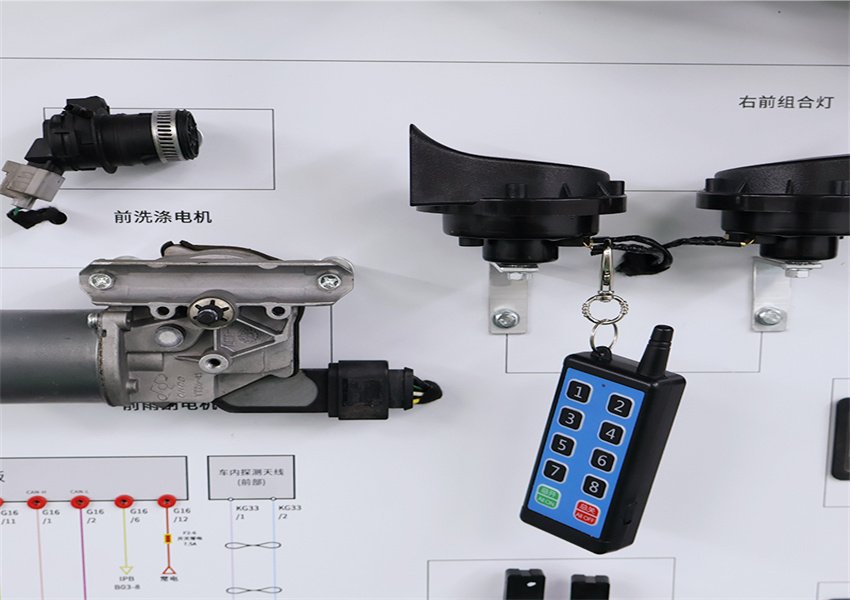
Fault Simulation Training Configuration
Define the fault simulation scope around the selected electrical systems and intended troubleshooting exercises so that the introduced abnormal conditions correspond to the planned diagnostic tasks.
Full Automotive Electrical System Trainer Price, Lead Time, Shipping & Installation
Price
The Full Automotive Electrical System Trainer is priced at approximately US$3,200–4,500 / set, depending on the selected configuration and customization requirements.
Lead Time
For standard configurations, the typical lead time is approximately 20–25 working days. For customized configurations, the lead time is approximately 30–45 working days after the training requirements, configuration, and order details are confirmed.
Pre-Shipment Inspection
Before shipment, the training equipment is pre-assembled and function-tested according to the approved configuration and specifications. The inspection verifies the equipment structure, electrical connections, system functions, measurement interfaces, fault simulation functions, and other configured training functions before dispatch.
Shipping & Installation
Overall shipping usually takes approximately 20–45 days, depending on the destination, shipping method, route, and customs clearance conditions. HS provides installation support through installation manuals, installation videos, and technical assistance to help customers complete equipment setup and begin practical training.
For details on installation, training, and ongoing technical support, see Installation, Training & Technical Support.
Send Your Inquiry Today
FAQ About Full Automotive Electrical System Trainer
1.How is the electrical system scope determined for a full-system training trainer?
The electrical system scope should be defined by the actual training tasks rather than simply the number of functions included. HS can review the required circuit analysis, system operation, measurement, communication, and troubleshooting exercises to determine which electrical systems need to be represented in the final training configuration.
2. How does HS handle the relationship between circuit layout and practical training?
The circuit layout needs to support the way students are expected to learn and diagnose the system. During configuration, HS considers whether the relevant components, wiring relationships, measurement points, and operating controls can be followed clearly enough for the planned training exercises, rather than treating the circuit layout as a purely visual presentation.
3. What should be considered when specifying measurement points for electrical diagnosis?
Measurement points should correspond to the electrical conditions that students need to verify during diagnosis. The required measurement locations and diagnostic tasks should therefore be identified together during configuration so that the measurement arrangement supports the intended troubleshooting process.
4. How can fault simulation support systematic troubleshooting rather than simple fault finding?
Fault simulation is most useful when the introduced abnormal condition can be investigated through the circuit, measurement points, and signal behavior available on the trainer. HS can align the fault simulation scope with the intended diagnostic exercises so that students need to analyze the affected circuit and evidence before identifying the cause.
5. What should be confirmed before approving the final configuration?
The final review should cover the electrical systems to be trained, required practical exercises, measurement requirements, diagnostic scenarios, and the intended use of the trainer within the curriculum. Confirming these points before production helps prevent a configuration that technically functions but does not fully support the planned training tasks.
6.Can the configuration be reviewed against the training requirements before production?
Yes. The training requirements can be reviewed against the proposed configuration before production, including the electrical systems, practical exercises, measurement and diagnostic requirements, and other confirmed configuration details. This provides a clear basis for approving the equipment before manufacturing begins.
Related Automotive Training Equipment
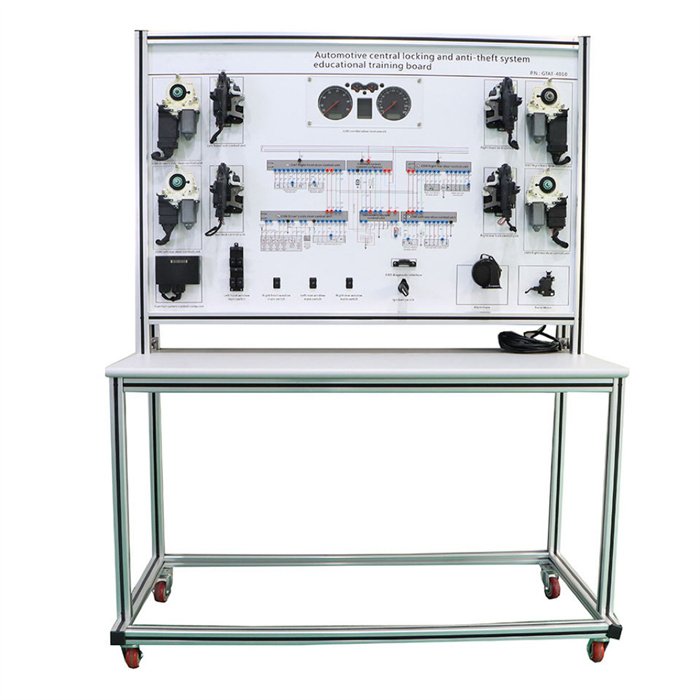
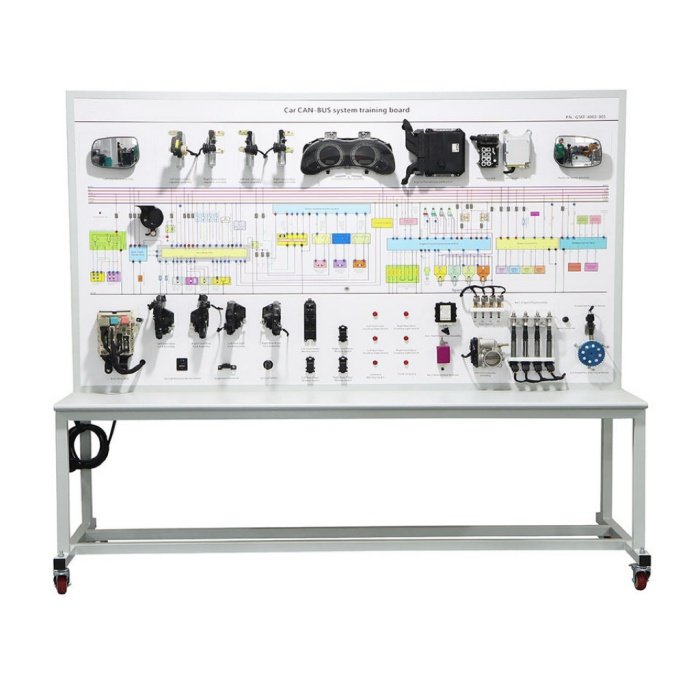
Explore related automotive electrical and diagnostic training equipment for practical system operation, circuit analysis, and fault diagnosis training.
Request a Full Automotive Electrical System Trainer Quote
Have a training requirement but not sure what equipment configuration you need? Talk to HS.