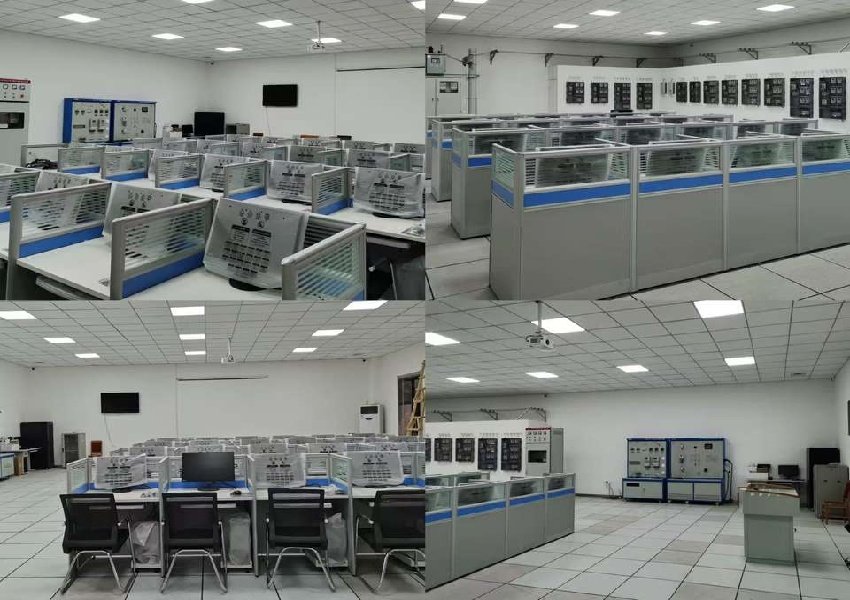
Electric Vehicle Trainers
Electric Vehicle Trainers are practical training systems for studying EV powertrain structures, high-voltage electrical systems, battery systems, motor control, charging technology, measurement, and fault diagnosis. Depending on the selected configuration, the trainer can combine real or representative EV components with accessible test points and training interfaces for hands-on technical learning.
Reference Price: US$1,450–8,000/set.
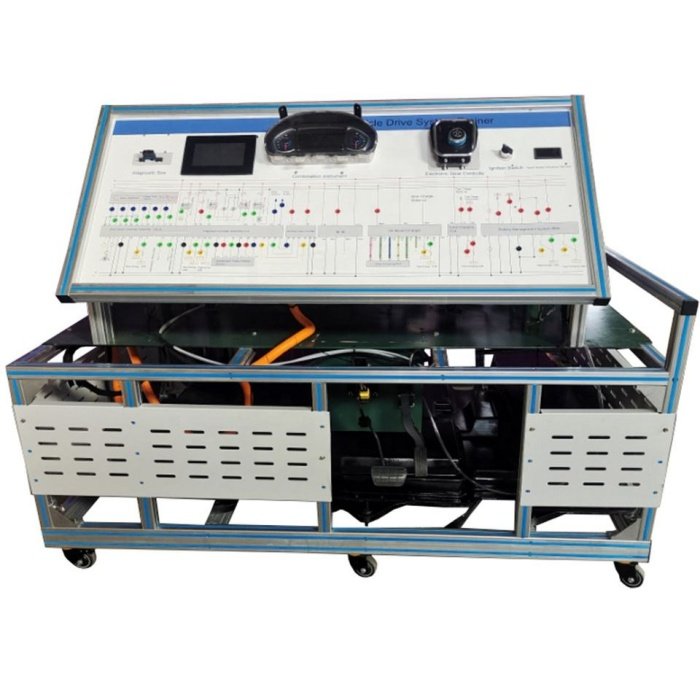
Electric Vehicle Trainers Types
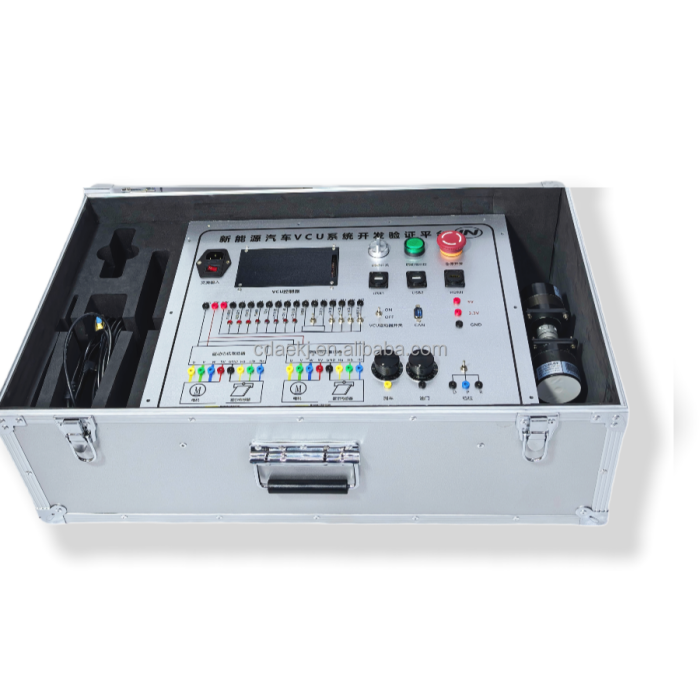
EV Powertrain Trainers
Focus on the relationship between the electric motor, inverter/controller, reduction mechanism, and other powertrain components.
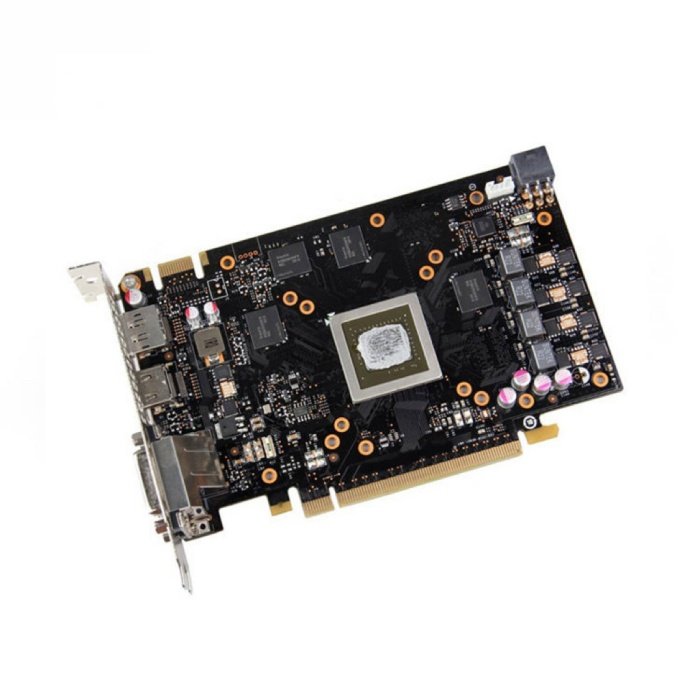
EV Battery & BMS Trainers
Focus on battery structure, battery management, voltage monitoring, temperature monitoring, and related control functions according to the selected configuration.
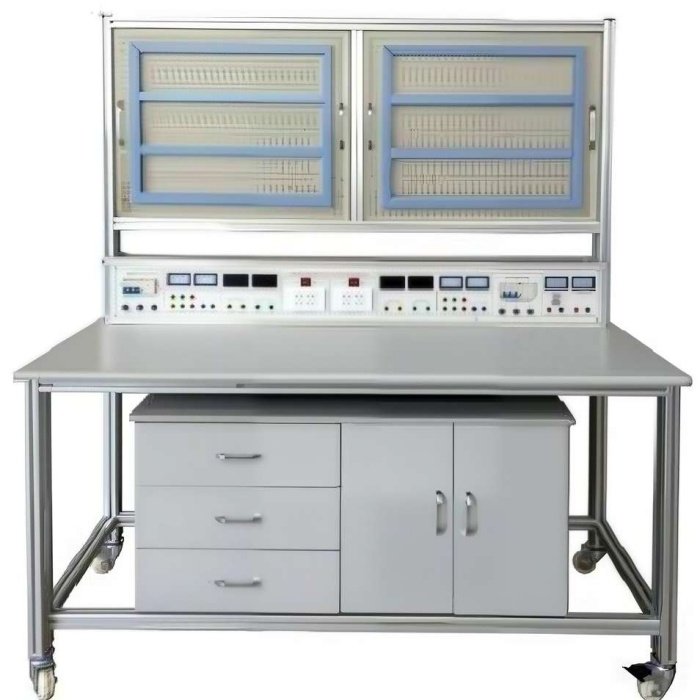
EV Electrical & Control Trainers
Cover selected low-voltage and high-voltage electrical circuits, control units, wiring, sensors, actuators, and communication interfaces.
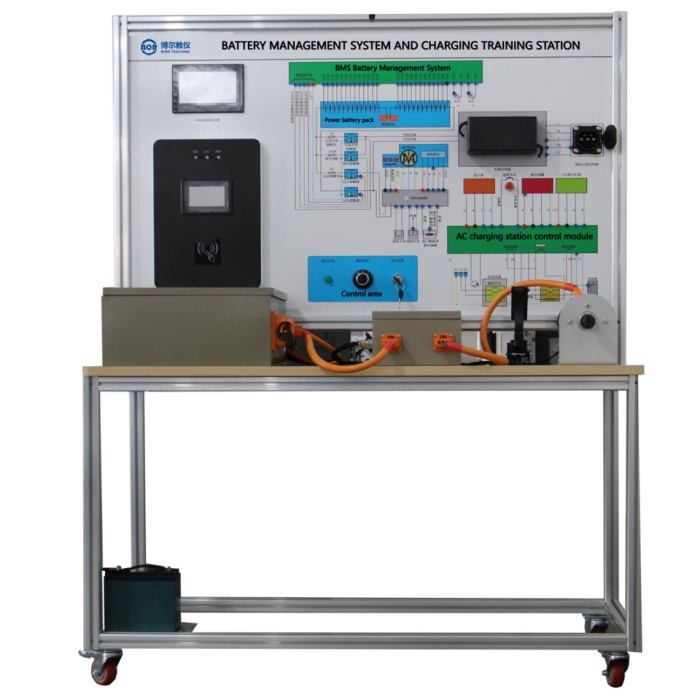
EV Charging System Trainers
Demonstrate selected charging circuits, charging components, control logic, and charging-related communication according to the equipment configuration.
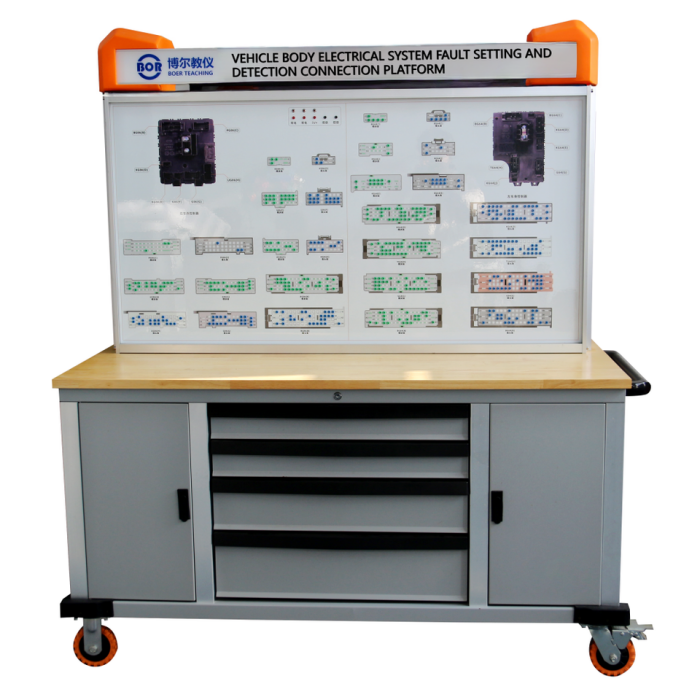
EV Diagnostic & Fault Training Systems
Provide accessible test points and selected diagnostic functions for electrical measurement, signal analysis, fault identification, or system troubleshooting where applicable.
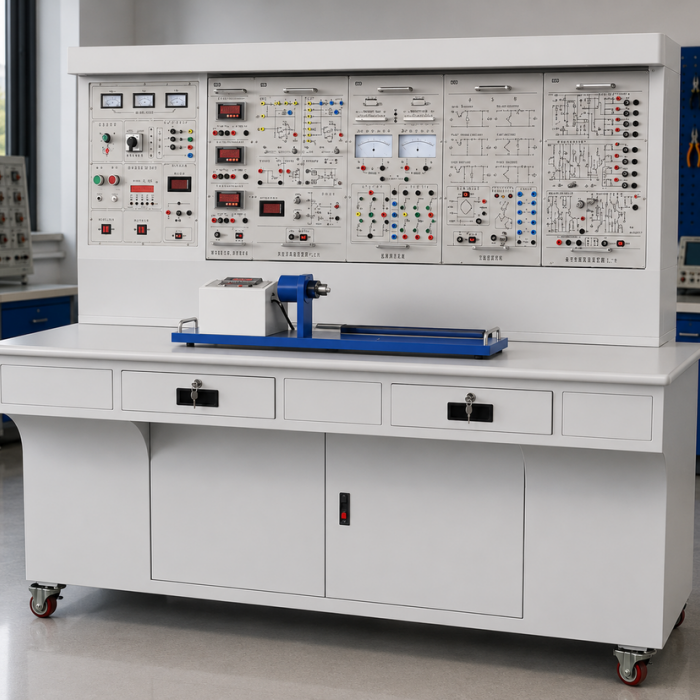
Integrated EV Training Systems
Combine multiple EV subsystems on one training platform when the curriculum requires coordinated study of battery, motor, control, charging, and communication systems.
Electric Vehicle Trainers Training Functions
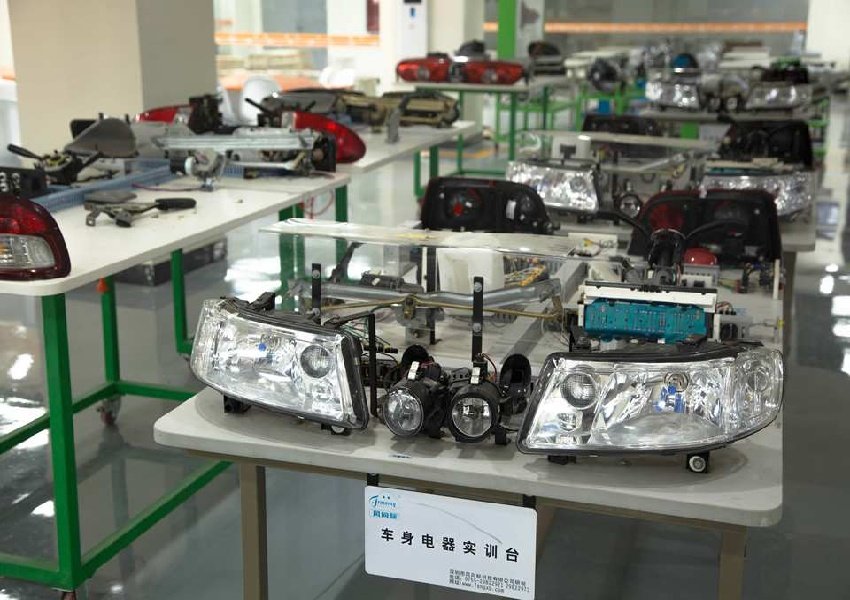
EV Powertrain Operation Analysis — Trace the energy path from the battery through the power electronics and electric motor to the driven wheels, according to the selected system.
High-Voltage System Measurement — Use designated test points to measure electrical parameters such as voltage and continuity and understand the relationship between high-voltage components and circuits where applicable.
Battery & BMS Training — Study battery pack structure, cell or module monitoring, voltage and temperature signals, and BMS control functions according to the selected configuration.
Motor & Controller Training — Examine the relationship between the electric motor, inverter/controller, control signals, and power delivery during selected operating conditions.
EV Charging System Training — Study charging circuits, charging components, control signals, and charging processes according to the installed charging system.
Electrical Measurement & Fault Diagnosis — Locate designated test points, read electrical signals, compare measured values, and identify selected circuit or component faults where fault-training functions are provided.
CAN Communication Analysis — For configurations with CAN interfaces, students can observe communication between selected electronic control units and analyze relevant signals or communication faults.
How to Choose the Right Electric Vehicle Trainer
1. Match the EV System to the Curriculum — First determine whether the training focuses on batteries, BMS, motors, high-voltage circuits, charging, diagnostics, or an integrated EV system.
2. Define the Required Practical Tasks — Check whether students need to perform measurement, wiring identification, signal analysis, component testing, fault diagnosis, or system operation.
3. Check Measurement & Diagnostic Access — For advanced electrical training, prioritize equipment with appropriate test points, interfaces, measurement access, and diagnostic functions required by the curriculum.
4. Consider High-Voltage Training Requirements — If the course includes EV high-voltage technology, confirm the trainer’s high-voltage system configuration, protection design, access method, and required safety training functions.
5. Match the Trainer to Student Level — Basic configurations can focus on system structure and component identification, while advanced configurations can include measurement, communication, fault simulation, and diagnostic tasks where applicable.
6. Plan for Laboratory Integration — Consider equipment dimensions, student access, electrical connections, safety requirements, and compatibility with existing EV training equipment before purchasing multiple units.
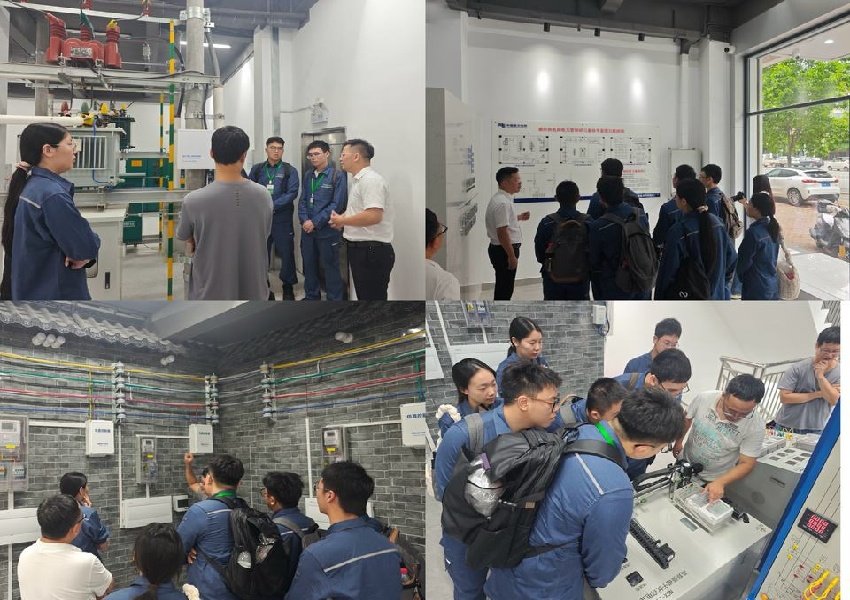
Custom Electric Vehicle Trainer Solutions
HS develops Custom Training Equipment for projects requiring specified EV systems, components, training functions, measurement interfaces, diagnostic functions, or laboratory configurations. Final configuration, price, and lead time are confirmed after technical review.
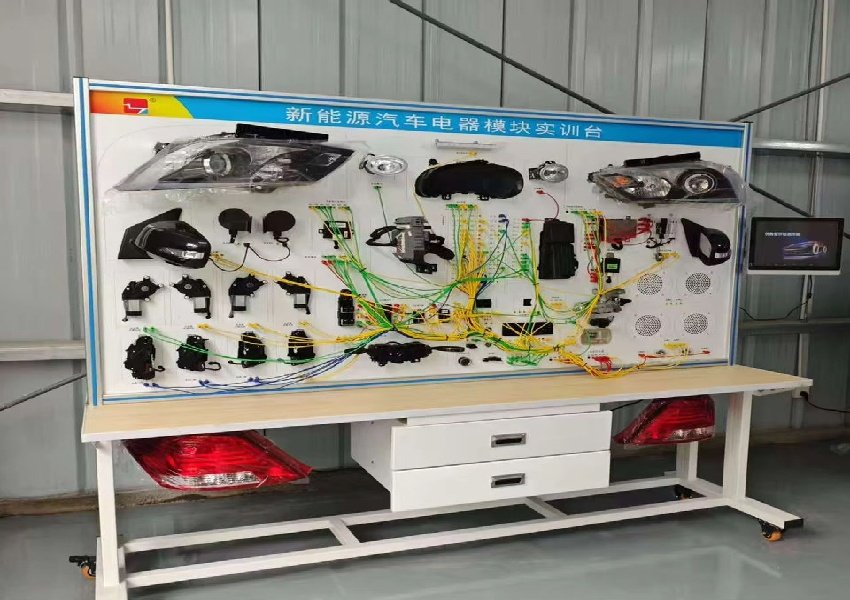
EV System & Component Configuration
Specify the required battery system, BMS, electric motor, inverter/controller, charging system, high-voltage components, control units, or other EV components according to the training program.
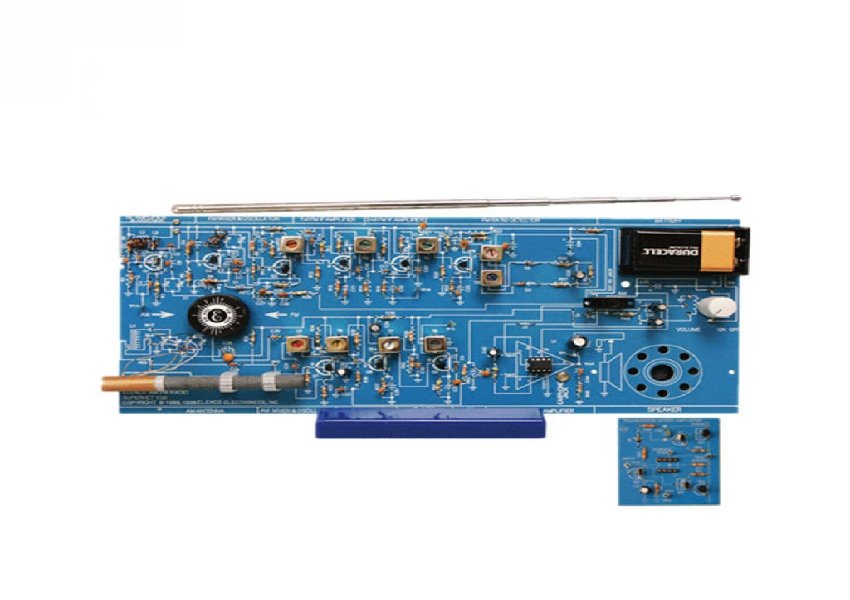
Practical Training Function Customization
Configure the trainer for required activities such as component identification, wiring analysis, electrical measurement, signal testing, system operation, fault simulation, communication analysis, or diagnostics, depending on the selected system.
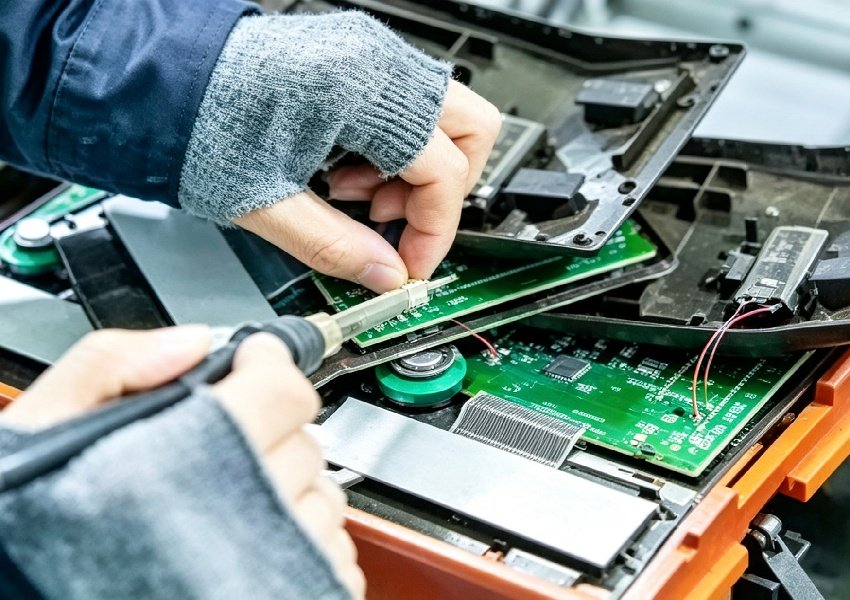
High-Voltage & Electrical Interface Configuration
For high-voltage training projects, HS can configure specified test points, electrical interfaces, measurement access, protective structures, and training functions according to the required system architecture and practical tasks.
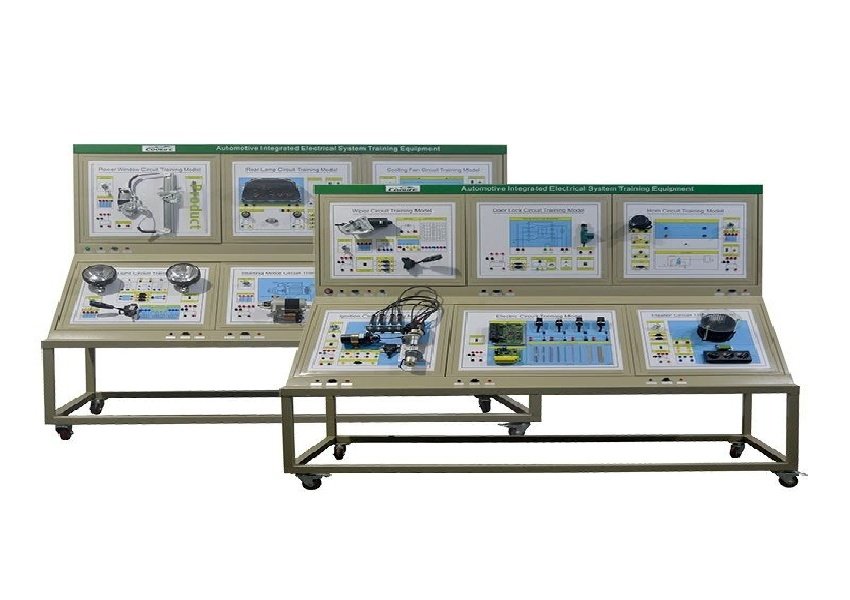
Structure, Layout & Working Configuration
Customize the frame structure, equipment dimensions, component arrangement, working height, control panel, wiring layout, test-point arrangement, and mobility configuration to match the available training space.
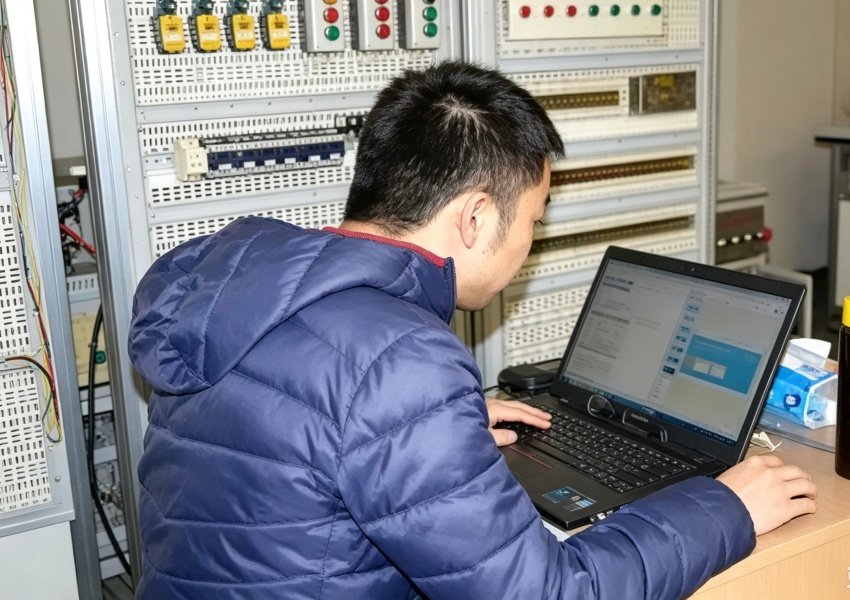
OEM/ODM Product Development
HS can provide OEM/ODM solutions covering product design, branding, panel graphics, language requirements, manuals, packaging, and multi-unit laboratory planning.

Project Implementation & Technical Support
According to project requirements, HS can provide installation guidance, operator training, software and technical support, and spare parts to support project implementation and equipment use.
Electric Vehicle Trainers Manufacturing Process

HS follows a product-specific process focused on EV system integration, electrical accuracy, training access, and configuration reliability.
1. Technical Review & Configuration Approval
Confirm the EV system, components, training functions, electrical interfaces, test points, and safety requirements before production.
2. Frame & Component Preparation
Prepare the training frame, panels, mounting structures, EV components, wiring, and accessories per the approved configuration.
3. EV System Integration & Wiring
Install battery, motor, controller, charging, and control components; complete electrical connections per the approved architecture.
4. Training Interface & Test-Point Installation
Install specified test points, connectors, switches, measurement and communication interfaces, and other training access points.
5. Control, Communication & Function Integration
Integrate control circuits, display functions, CAN interfaces, fault-training functions, and specified diagnostic features where applicable.
6. Assembly, Adjustment & Electrical Verification
Verify component fixation, wiring, connector access, control operation, measurement access, and system response.
7. Final Configuration Check
Check the completed trainer against the approved component list, electrical configuration, training functions, and project requirements before quality control.
Quality Control & Performance Testing
Quality control focuses on whether the completed Electric Vehicle Trainer matches the approved configuration and performs the specified training functions safely and consistently.
1. Structural & Assembly Verification — Check frame stability, component fixation, panel installation, wiring arrangement, connectors, and accessibility of training interfaces.
2. Electrical Connection Verification — Inspect wiring, terminals, connectors, polarity, grounding, and specified electrical connections against the approved electrical configuration.
3. EV System Function Testing — Test the specified battery, motor, controller, charging, control, or other EV functions according to the selected configuration.
4. Measurement & Diagnostic Function Testing — Where applicable, verify test points, measurement interfaces, communication functions, fault simulation, diagnostic access, and related training functions.
5. High-Voltage Safety Verification — For high-voltage configurations, check applicable protective structures, isolation-related functions, warning identification, emergency controls, and other specified safety features.
6. Final Configuration Verification — Confirm the completed equipment against the approved technical specifications, component list, training functions, appearance, and order requirements before packaging.
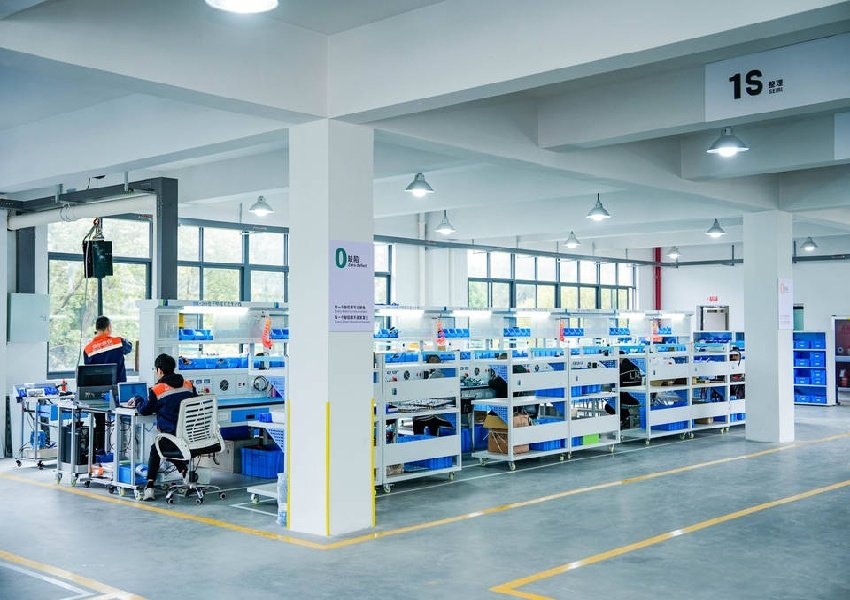
Electric Vehicle Trainers Price, Lead Time & Delivery
Price
The Electric Vehicle Trainers price is approximately US$1,450–8,000/set. Final quotation depends on the selected EV systems and components, battery and BMS configuration, motor and controller system, charging functions, high-voltage configuration, measurement and diagnostic interfaces, customization requirements, and order quantity.
Lead Time
Production is scheduled after technical requirements, equipment configuration, and customization details are confirmed. Standard configurations: approximately 20–25 working days. Custom configurations: approximately 30–45 working days, with the final production schedule confirmed after technical review and design approval.
Pre-Shipment Inspection
Before shipment, each trainer undergoes factory pre-assembly and functional testing to verify the confirmed configuration, electrical connections, training interfaces, and specified EV training functions. Test records can be provided upon request.
Shipping & Delivery
Standard delivery includes export-grade wooden crate packaging suitable for international transportation. Shipping time is approximately 10–30 days, depending on the transportation method and destination.
HS can arrange:
Sea freight – suitable for larger EV training equipment or multi-unit orders; generally more economical for larger shipments.
Air freight – suitable when faster delivery is required; higher transportation cost with shorter transit time.
Express delivery – suitable for smaller shipments or urgent deliveries where applicable; door-to-door service can be arranged depending on the destination.
The actual shipping schedule is confirmed according to the selected transportation method and destination.
Installation & Technical Support
Installation requirements depend on the selected EV trainer configuration, electrical structure, and training functions. HS provides operation manuals, training materials, instructional videos, and technical support for installation, operation, and training use. For customized projects, installation requirements and technical support scope can be confirmed before shipment. On-site installation support can be arranged upon request for large laboratory projects.
Send Your Inquiry Today
FAQ About Electric Vehicle Trainers
1. What should an EV trainer include for basic electric vehicle training?
For basic training, the equipment should clearly present the main EV components and their electrical relationships, such as the battery, motor, controller, and related circuits. The exact configuration should be matched to the subjects included in the training program.
2. What is the difference between an EV training bench and a complete electric vehicle?
An EV training bench exposes selected electrical or powertrain systems through accessible components, wiring, interfaces, and test points. This allows students to focus on a specific system without working around the size and complexity of a complete vehicle.
3. Can students practice high-voltage measurement on an EV trainer?
This depends on the trainer’s high-voltage configuration and designated training functions. Where high-voltage measurement is supported, the equipment can provide specified test points and access for controlled measurement exercises.
4. Does every Electric Vehicle Trainer include a battery management system?
No. BMS functions depend on the selected configuration. If BMS training is required, the buyer should specify battery management, voltage monitoring, temperature monitoring, or related BMS functions when requesting the equipment.
5. Can an EV trainer demonstrate CAN bus communication?
It can when the selected configuration includes CAN communication interfaces and compatible electronic control units. This allows training to focus on communication signals, ECU interaction, and selected communication faults.
6. Can an EV trainer be used for fault diagnosis?
Yes, when diagnostic or fault-training functions are included in the configuration. Depending on the system, students may work with designated test points, electrical signals, communication interfaces, or simulated faults.
7. How do I choose between a battery trainer, motor trainer, and integrated EV trainer?
Choose a battery trainer when the curriculum focuses mainly on battery and BMS technology, and a motor trainer when the focus is electric drive and motor control. An integrated EV trainer is more suitable when students need to understand the relationship between multiple EV subsystems.
8. Can the EV trainer be integrated into an existing automotive training laboratory?
Yes. The equipment can be planned as part of a broader training laboratory together with diagnostic, electrical, engine, chassis, or other EV training equipment. The required dimensions, interfaces, functions, and quantity should be confirmed during project planning.
Related Electric Vehicle Training Equipment
An Automotive Chassis Trainer is often more effective when combined with other automotive training equipment. Schools can build a progressive training laboratory instead of relying on one platform for every subject.
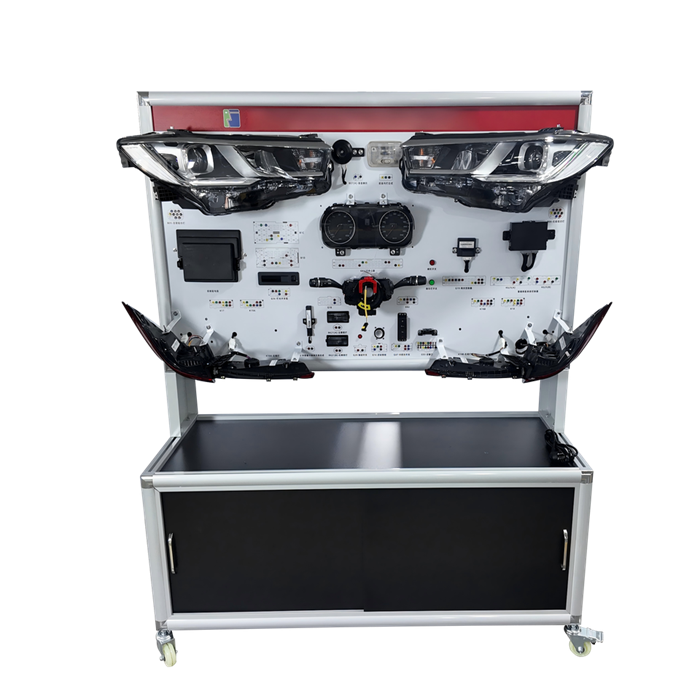
Automotive Engine Trainer
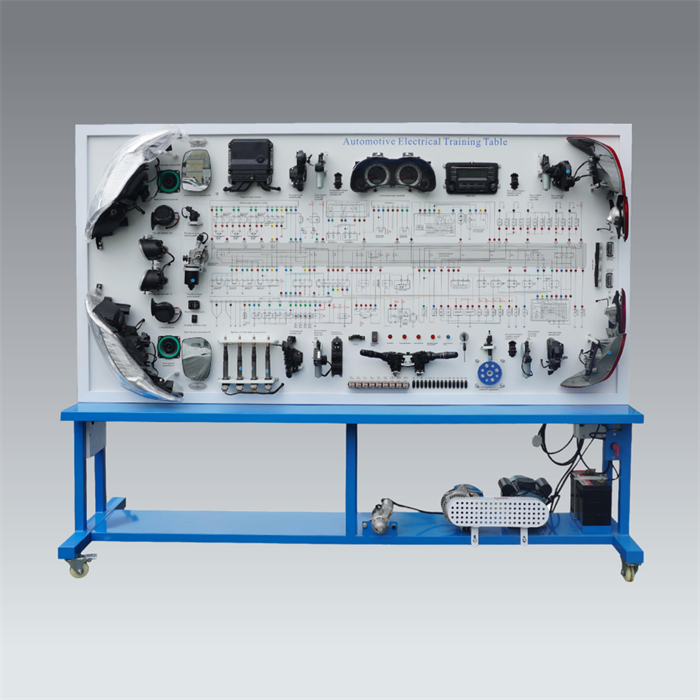
Automotive Electrical Trainer
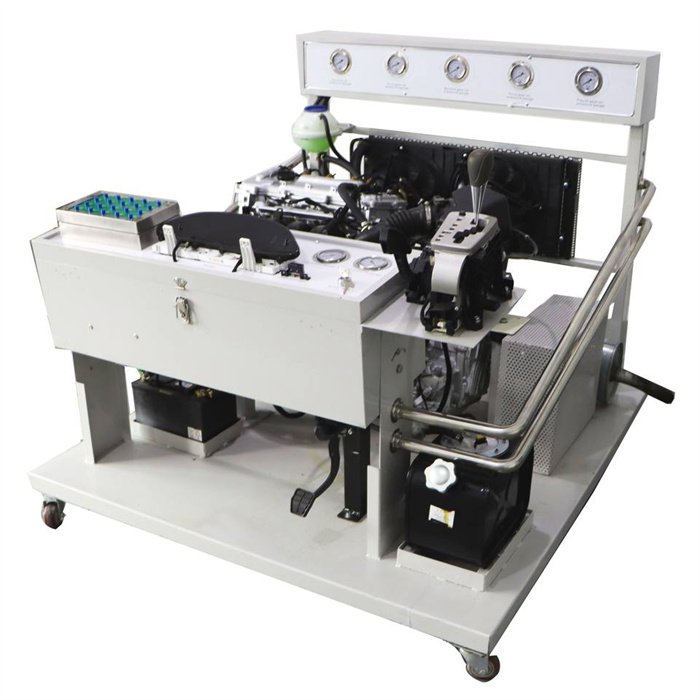
Automotive Diagnostic Trainer
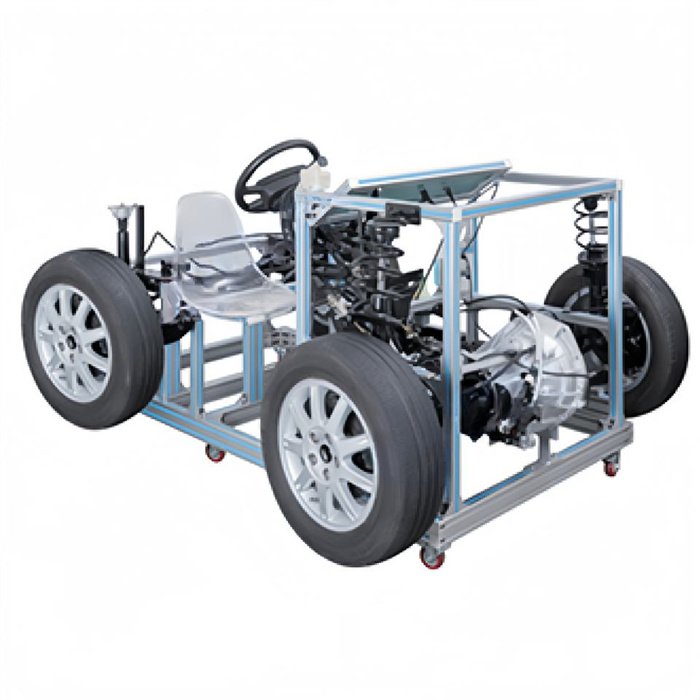
Automotive Chassis Trainer
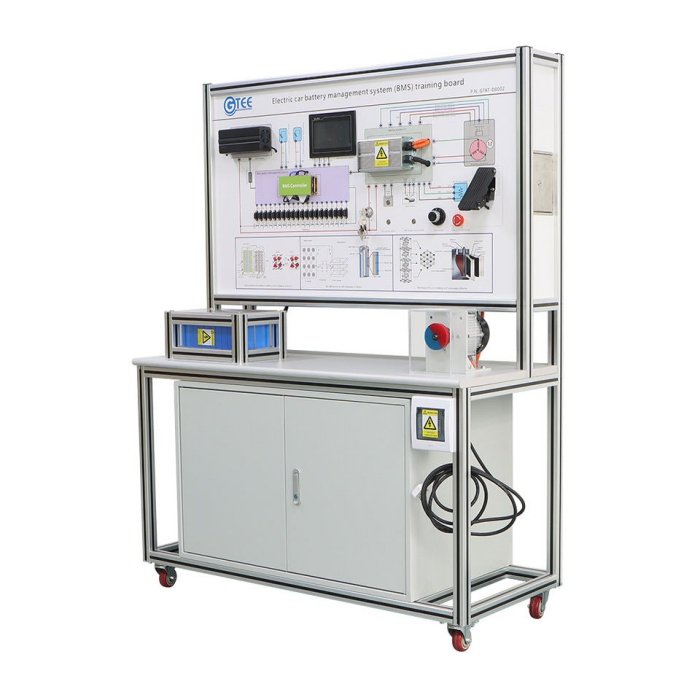
Electric Vehicle Battery Trainers
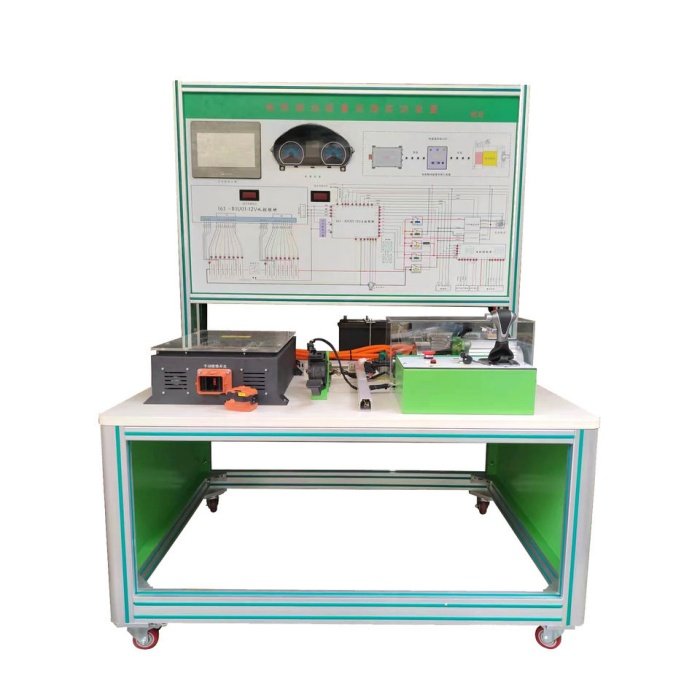
Electric Vehicle Motor Trainers