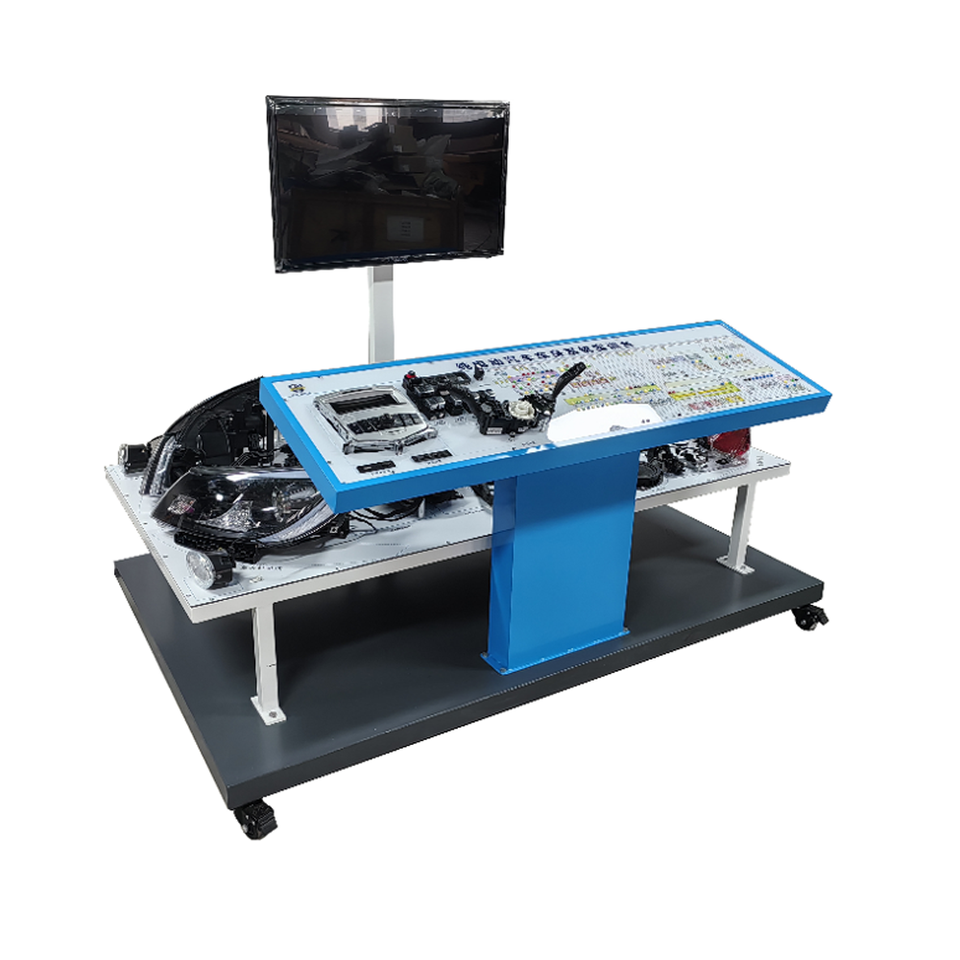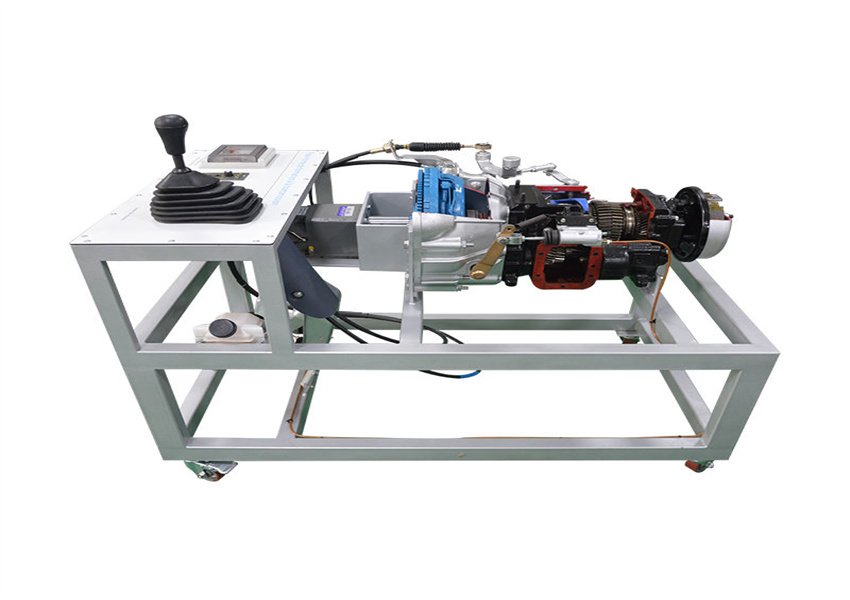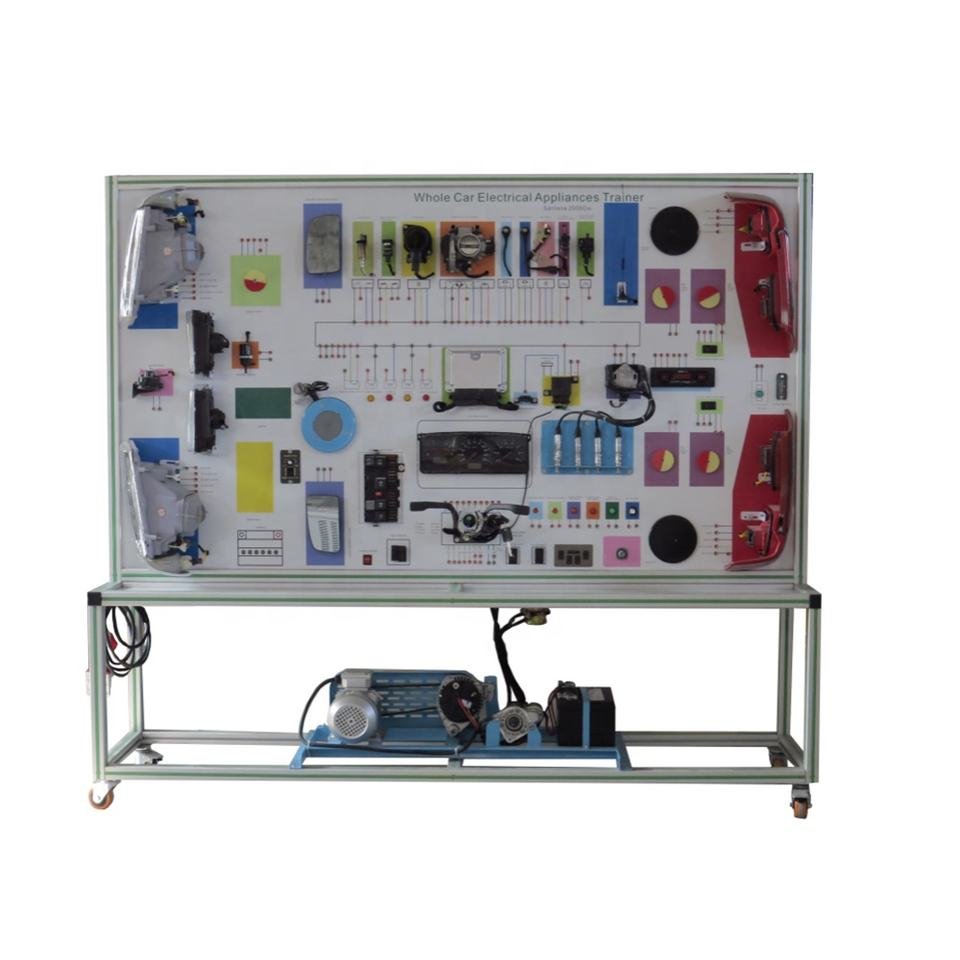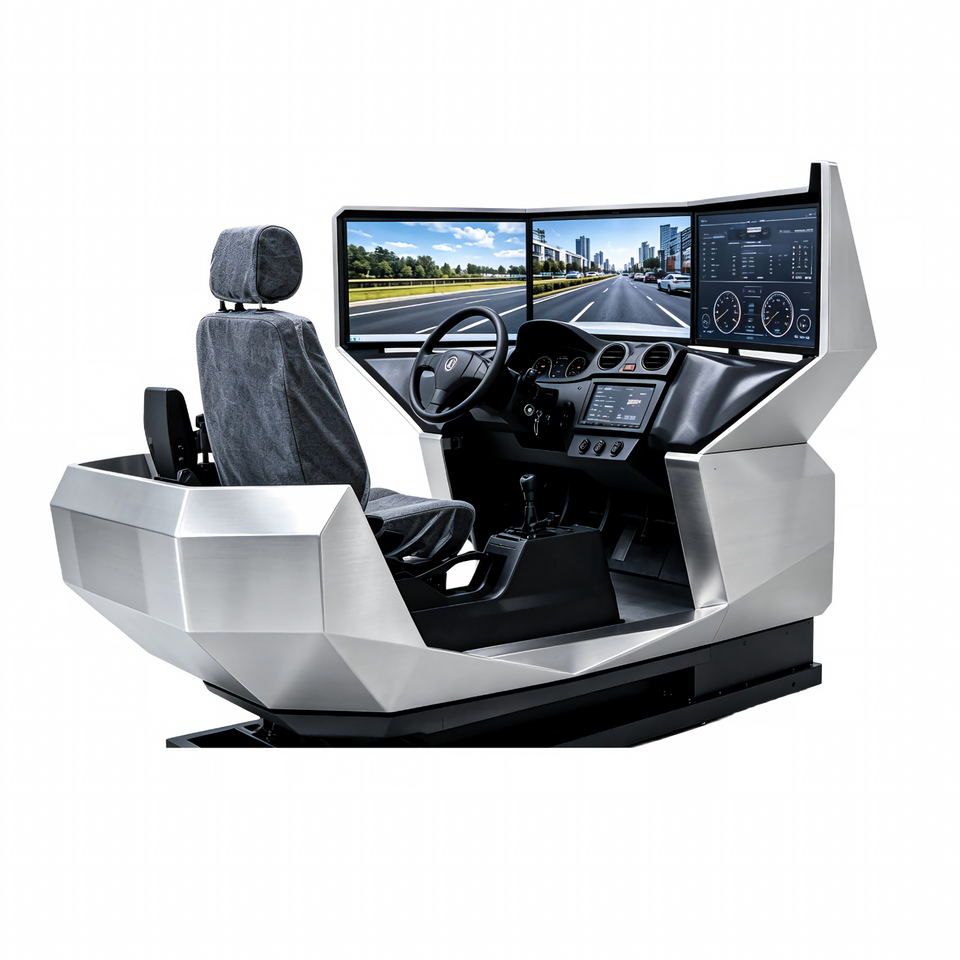
Good automotive training equipment should be designed around what students need to learn and practice.
A vocational school may need equipment for engine systems, automotive electrical systems or diagnostics. A training center may need several systems for different courses. An automotive company may require equipment for specific technical training.
These projects have different requirements, but the design process starts in the same place: define the practical training task first, then design the equipment around it.
This guide explains the main factors to consider when designing automotive training equipment for practical training.
Define the Training Objective First
Before deciding the equipment structure, identify what students need to learn and practice.
Ask:
- What automotive system will be taught?
- What should students be able to understand after the training?
- What practical tasks will they perform?
- Is the equipment mainly for demonstration, hands-on practice, or both?
For example, an engine training project may focus on system operation and component relationships. An electrical training project may require students to work with circuits and measurement points. A diagnostic project may focus on testing and troubleshooting.
The answers determine the equipment configuration.
Match the Design to the Training Subject
Different automotive subjects require different design priorities.
Engine Training
The design may need to make relevant engine components and system relationships easy to observe and understand. If students need to perform practical operations, the required controls and operating areas should also be accessible.
Automotive Electrical Training
Electrical training may require accessible circuits, connectors and measurement points. Their location should support the practical exercises included in the course.
Diagnostic Training
Diagnostic training places more emphasis on testing access, interfaces and practical troubleshooting activities. The equipment should provide the access required for the intended training tasks.
EV Training
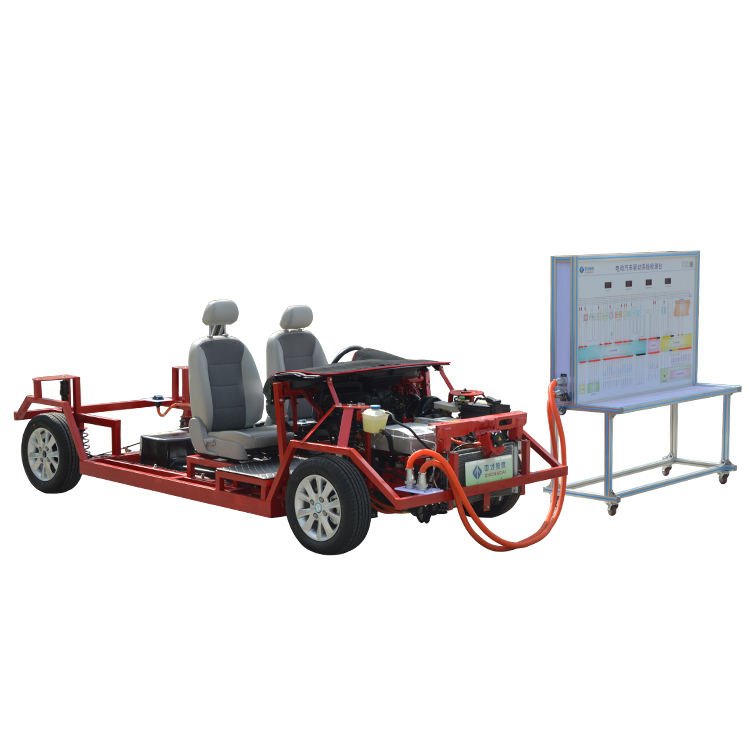
EV training has its own system requirements. The design should be based on the specific EV topics covered by the course and the level of practical interaction expected from students.
Chassis Training
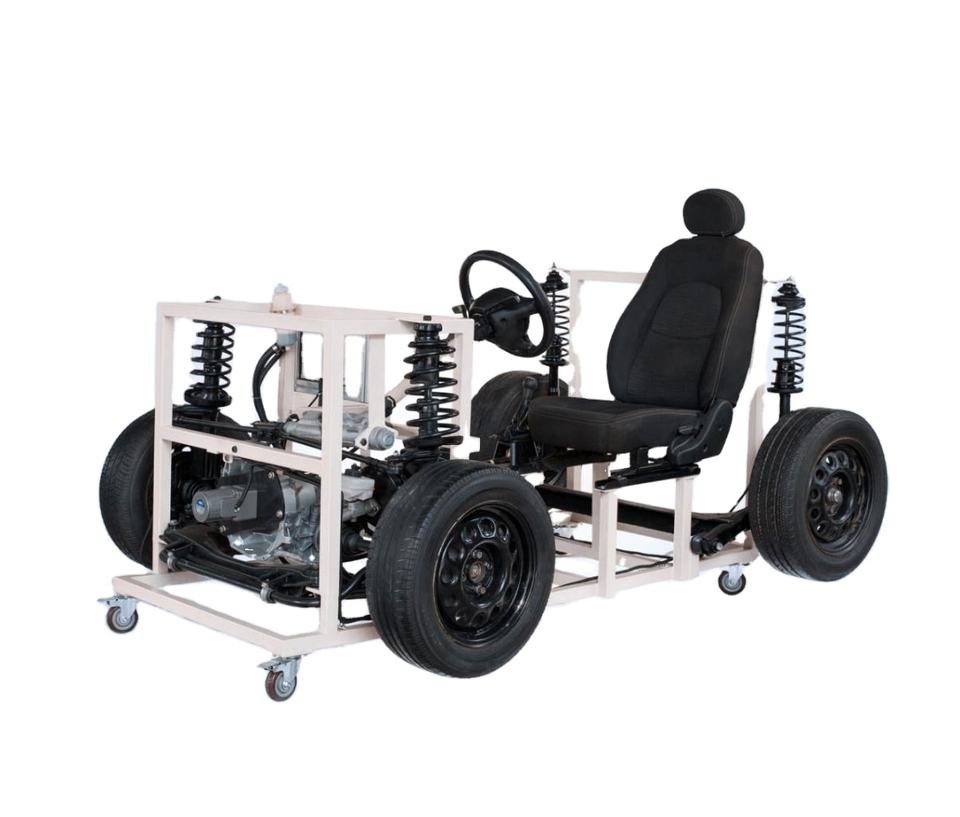
Chassis-related training may involve systems such as braking, steering or suspension. The design should make the relevant components and their relationships suitable for practical teaching.
The important point is simple:
The training subject determines the equipment design.
Decide Between Demonstration and Hands-On Practice
A training device does not always need to provide the same level of student interaction.
Some equipment is mainly used by instructors to explain how a system is structured or operates. Other equipment is designed for students to perform practical exercises.
A cutaway model, for example, can be useful when the main objective is to show internal component structure. A training bench or panel may be more appropriate when students need to operate controls, take measurements or perform system-based exercises.
If both purposes are required, the design should clearly separate the demonstration areas from the parts students are expected to operate.
Defining this at the beginning prevents unnecessary features from being added later.
Design the Student Interaction
The student should be able to understand what to do with the equipment.
Controls, connectors, switches, measurement points and other operating elements should have a clear relationship with the system being taught.
The layout should also consider the instructor’s role. During a demonstration, the teacher needs to explain the system while students observe the relevant components or operating points.
A useful design question is:
Can a student understand where to operate and what to observe without being confused by unnecessary components?
If the answer is no, the equipment layout may need to be simplified.
Plan Measurement and Diagnostic Access
If practical training involves measurement or diagnosis, these requirements should be defined before the equipment is manufactured.
For electrical training, students may need access to specific measurement points. For diagnostic training, the equipment may require appropriate interfaces for testing or troubleshooting.
A course that covers vehicle communication systems may also require access to relevant communication training functions, such as CAN-related training.
The exact configuration should follow the curriculum rather than the manufacturer’s standard feature list.
This is important because adding or changing interfaces after production can be more difficult than including them in the original design.
Consider Safety as Part of the Design
Safety should be considered from the beginning, particularly for training equipment involving electrical systems, EV technology, engines or moving mechanical components.
The appropriate requirements depend on the equipment and its intended use.
During the design stage, the project should consider:
- How students interact with the equipment
- Where operating components are located
- How electrical connections are accessed
- How controls are operated
- What level of supervision is expected
Specific safety requirements should be confirmed according to the actual training environment and project requirements.
The important principle is to consider safety during design rather than treating it as a final-stage issue.
Design for the Training Space
Even a well-designed piece of equipment may not work well if it does not fit the training environment.
Check the available space before finalizing the equipment structure.
Consider:
- Equipment footprint
- Student operating space
- Instructor visibility
- Access to components
- Position of multiple training units
- Installation requirements
For a project involving several types of automotive training equipment, these factors should be planned together.
A complete automotive training laboratory should allow different training systems to work within the same teaching environment rather than simply placing as many units as possible into one room.
For larger projects, Training Laboratory Solutions can provide a more appropriate way to plan multiple training systems as one project.
Choose the Right Level of Complexity
More functions do not necessarily make better training equipment.
A beginner course may benefit from a clear and straightforward layout. Advanced students may require more measurement, diagnostic or troubleshooting functions.
The design should therefore match the knowledge level of the intended users.
Before adding a function, ask:
Will students actually use this function during the training program?
If not, it may not need to be part of the equipment configuration.
This keeps the equipment easier to understand and prevents the specification from becoming unnecessarily complicated.
Decide What Should Be Standard and What Should Be Customized
Standard equipment can be a practical choice when the existing configuration already matches the course requirements.
Customization becomes useful when the project has specific requirements for:
- Equipment dimensions
- Layout
- Component configuration
- Training functions
- Classroom compatibility
- Project-specific requirements
For example, a training center may need equipment to fit an existing room, while a vocational school may want a particular configuration for its teaching program.
In these cases, Custom Training Equipment can be discussed with the manufacturer before production.
The earlier these requirements are defined, the easier it is to incorporate them into the equipment design.
Design With Manufacturing and Installation in Mind
The final design needs to become a physical product that can be manufactured, assembled, tested, packaged and installed.
This means the design should consider more than appearance.
Component placement, equipment structure, assembly requirements and installation conditions should be reviewed before production.
For projects involving multiple units, the final equipment configuration should also be clearly documented so that the intended design can be maintained during manufacturing.
Before production starts, the buyer and manufacturer should have a common understanding of the confirmed specifications.
Consider Long-Term Training Use
Automotive training equipment may be used repeatedly by different students and instructors.
Parts that students frequently operate, connect or observe should therefore be considered carefully during design.
Access for inspection and routine maintenance is also worth considering.
The objective is not to design for every possible future problem. It is to avoid creating unnecessary difficulties through the original equipment structure.
A practical design should support the actual training environment over continued use.
Design Checklist for Buyers
Before approving an automotive training equipment design, check whether you can answer these questions:
- What exactly will students learn?
- What practical tasks will they perform?
- Is the equipment for demonstration, hands-on training, or both?
- Which components need to be visible or accessible?
- Are measurement or diagnostic points required?
- What safety requirements apply to the intended use?
- Will the equipment fit the available training space?
- Is the standard configuration sufficient?
- Which parts of the equipment need customization?
- Have the final specifications been confirmed before production?
If several of these questions are still unclear, the equipment design probably needs further discussion before manufacturing begins.
Which Design Approach Fits Your Project?
Use the questions below as a quick starting point.
If your main goal is system demonstration
Focus on component visibility, system relationships and clear explanation.
If your main goal is hands-on practice
Focus on student access, controls, measurement points and practical operating procedures.
If your project combines several training subjects
Focus on consistent equipment configuration, classroom layout and how different systems work together.
If your existing space or curriculum has special requirements
Consider a customized equipment configuration before production.
This simple distinction can help you identify the right design direction before discussing detailed specifications.
Conclusion
Designing automotive training equipment should start with the training task, not with a fixed product configuration.
Define what students need to learn and practice. Then determine the equipment type, system visibility, student interaction, measurement access, safety requirements and physical layout.
For larger projects, consider how different systems will work together in the training environment. If the standard configuration does not match the course or available space, discuss customization before manufacturing begins.
A good design is not the one with the most features. It is the one that gives instructors a practical teaching tool and gives students a clear way to learn through hands-on training.
If you already have a training program, classroom layout or equipment requirement, Discuss Your Requirements before finalizing the equipment design.