Automotive Transmission Trainer
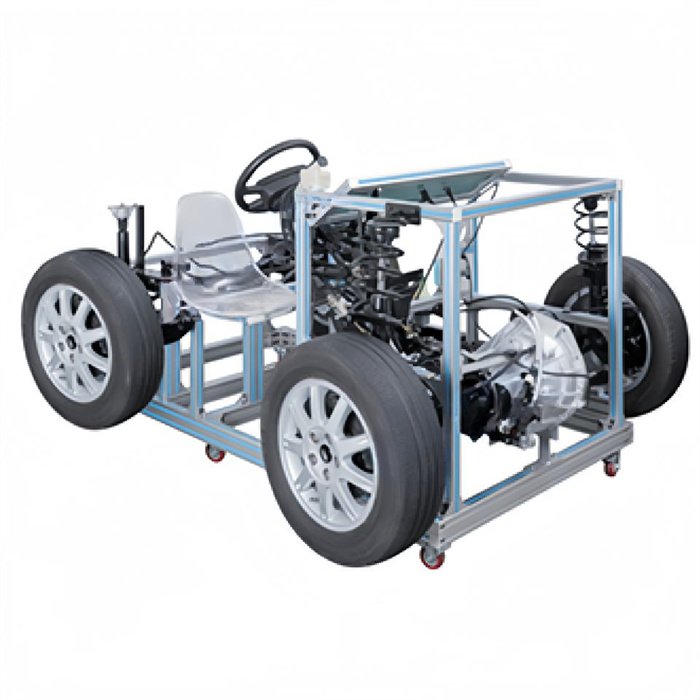
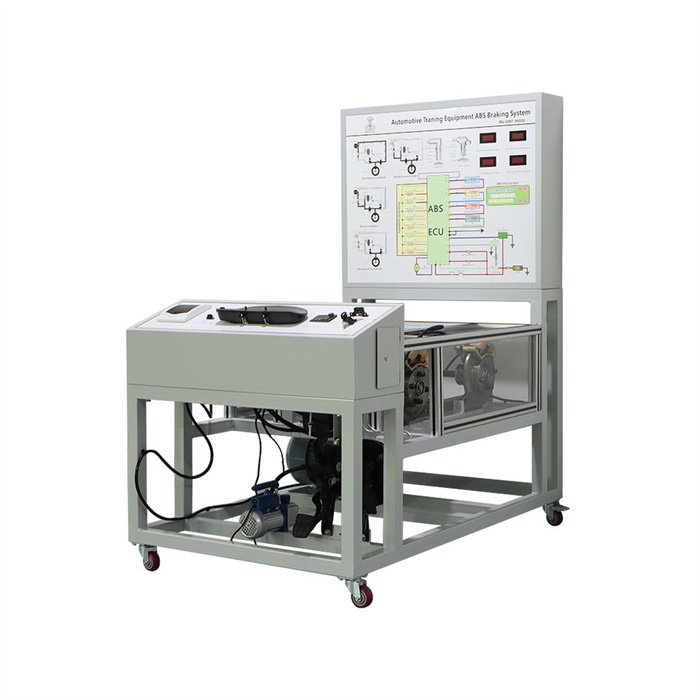
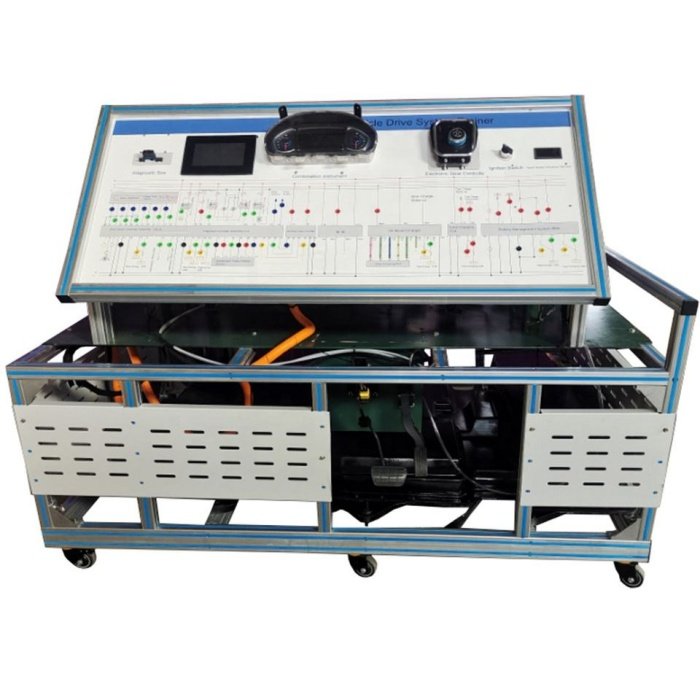
The Automotive Transmission Trainer provides a practical platform for studying transmission structure, power transmission, gear operation, component relationships, inspection, adjustment, and hands-on service procedures. The configuration can be developed around the selected transmission type and required training functions.
Reference Price: US$4,272–5,299 / unit
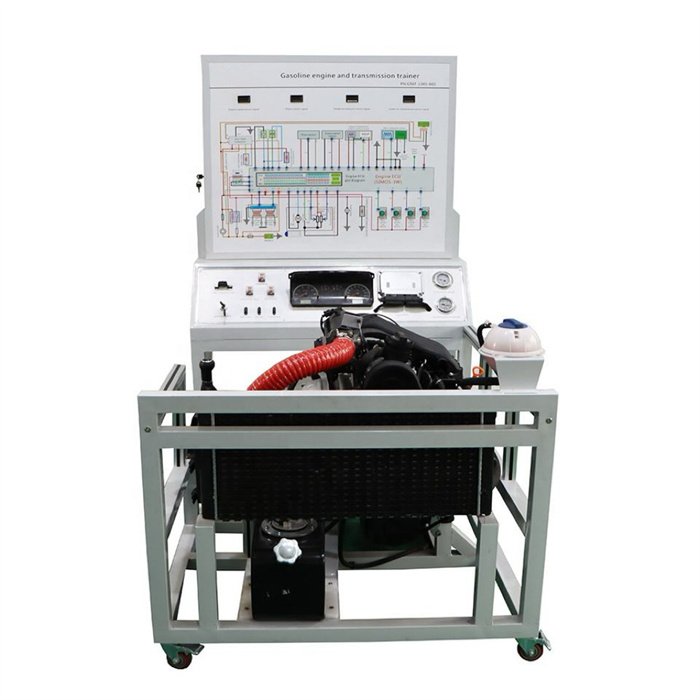
Automotive Transmission Trainer Types
Automotive Transmission Trainers can be configured around different transmission structures depending on the training program and vehicle technology being taught.
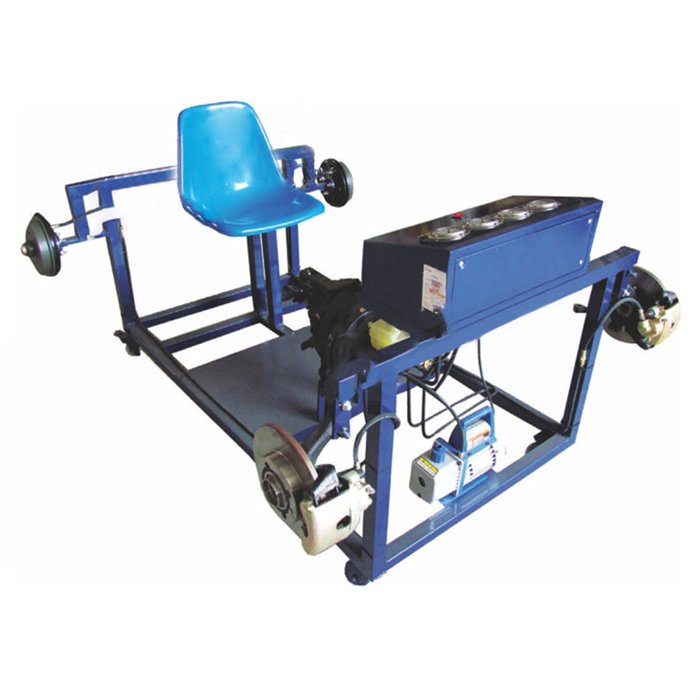
Manual Transmission Trainer
Uses a manual gearbox structure to demonstrate gear selection, synchronizer operation, shaft and gear relationships, power flow, and transmission assembly principles.
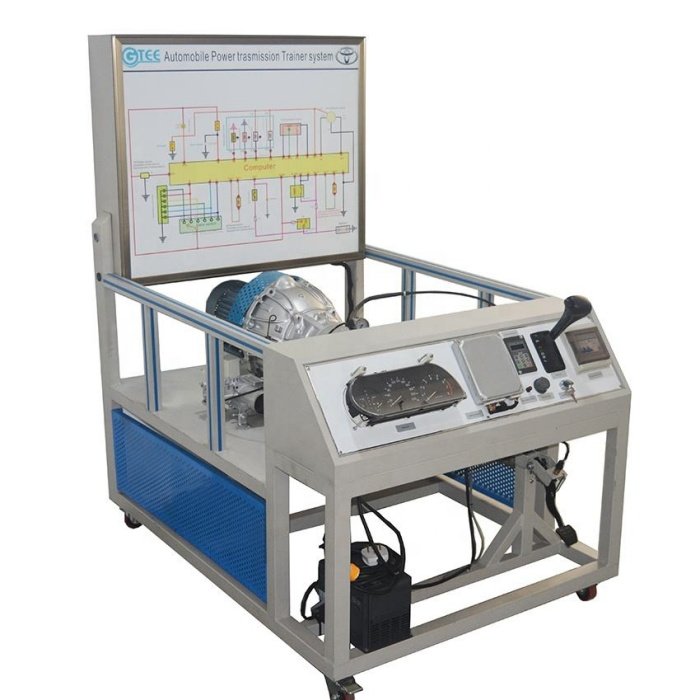
Automatic Transmission Trainer
Focuses on automatic transmission construction and operating relationships, including gear sets, shafts, clutches, and other selected internal mechanisms depending on the transmission model.
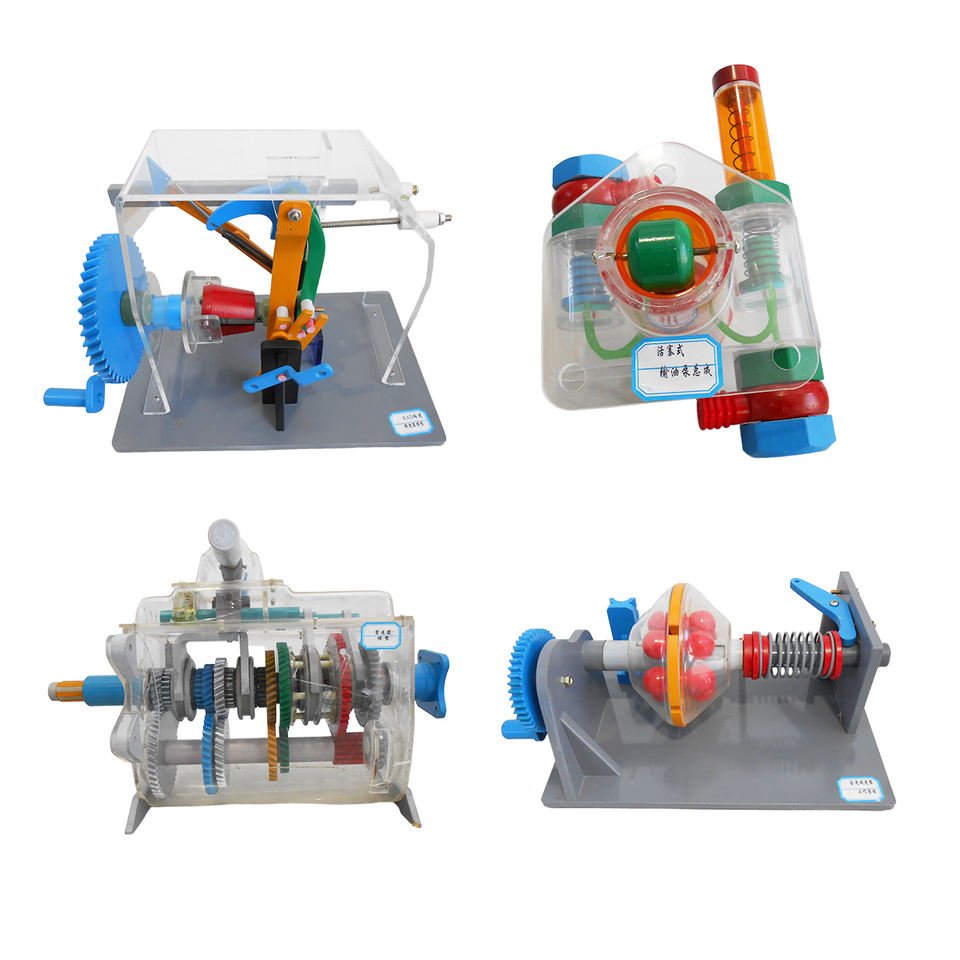
Transmission Cutaway Trainer
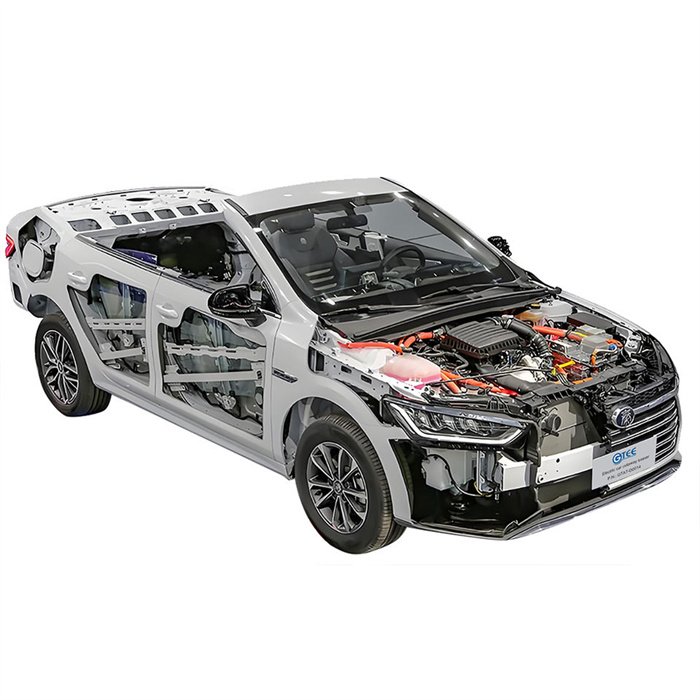
Exposes selected internal structures so students can directly observe gear engagement, shafts, bearings, synchronizers, or other components that are normally enclosed inside the transmission housing.
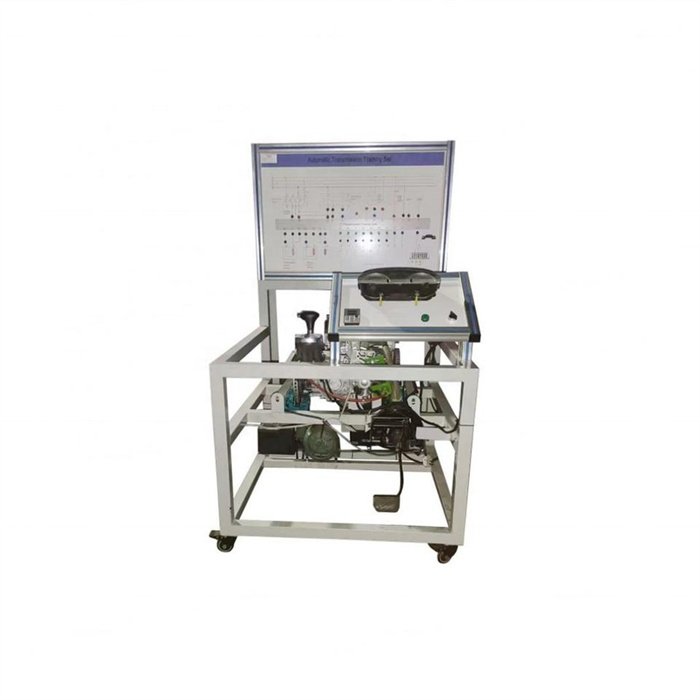
Hands-On Transmission Training System
Configured for practical activities such as component identification, disassembly and assembly, inspection, measurement, adjustment, and service procedures where supported by the selected transmission.
Automotive Transmission Trainer Training Functions
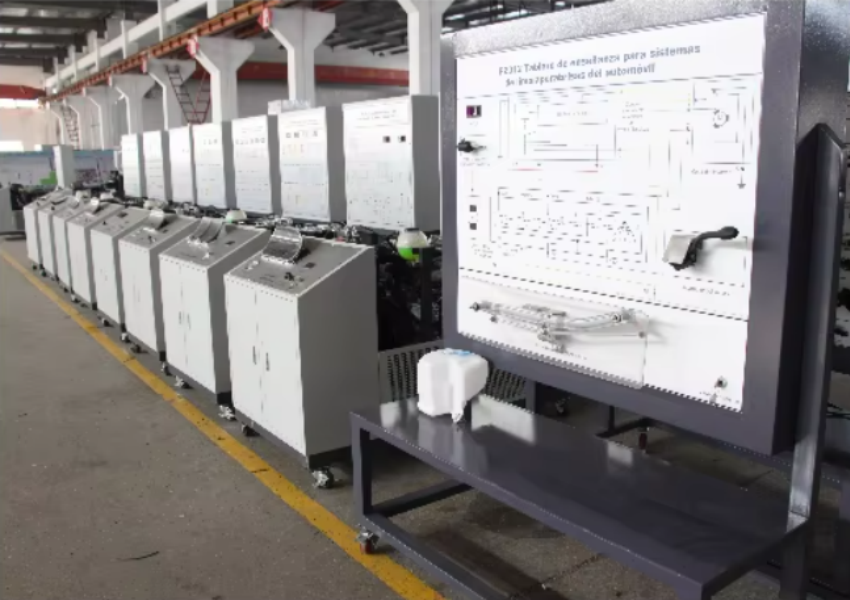
1. Transmission Structure & Component Training
Identify gears, shafts, synchronizers, bearings, clutches, housings, and other major transmission components according to the selected transmission.
2. Gear Selection & Power Flow Training
Demonstrate how selected gears change the transmission ratio and how engine input power is transferred through the transmission to the output.
3. Disassembly, Inspection & Assembly Training
Depending on the configuration, students can practice component removal, inspection, measurement, adjustment, refitting, and assembly procedures using the actual transmission structure.
4. Transmission Measurement & Fault Diagnosis
Where specified, test points, measurement interfaces, sensors, or fault-related training functions can be integrated to support transmission inspection and diagnostic exercises.
How to Choose the Right Automotive Transmission Trainer
1. Match the Transmission Type
Select the trainer according to the transmission technology covered by the course, such as manual or automatic transmission. The trainer should match the actual structure students need to study and service.
2. Match the Trainer to Practical Tasks
Decide whether students need structure observation, gear-operation demonstration, disassembly, inspection, measurement, adjustment, or reassembly. Choose the configuration based on the actual tasks rather than the transmission model alone.
3. Plan Diagnostic Requirements Upfront
If diagnostic training is required, confirm the need for test points, sensors, electrical interfaces, OBD/CAN, or fault-insertion functions before production. These must match the selected transmission architecture.
4. Choose Based on Training Depth
Basic training can prioritize clear component access and mechanical operation, while advanced technician training may require measurement, adjustment, and diagnostic capabilities.
5. Consider Lab Integration
For multi-equipment laboratories, check whether the transmission trainer needs to complement engine, chassis, electrical, or diagnostic training equipment to create a complete powertrain training sequence.
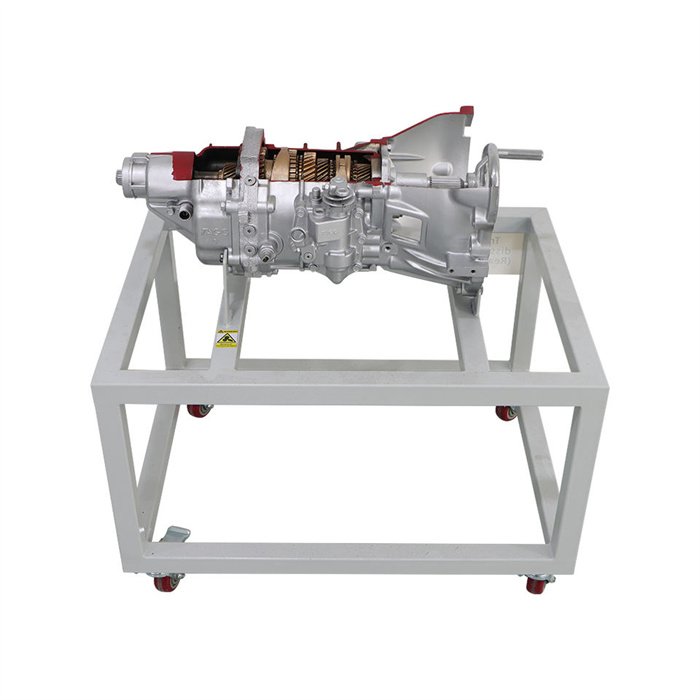
Custom Automotive Transmission Trainer Solutions
HS develops Custom Training Equipment for projects requiring a specified transmission, practical training functions, structure, measurement or diagnostic capability, laboratory integration, or OEM/ODM requirements. Final configuration, price, and lead time are confirmed after technical review.
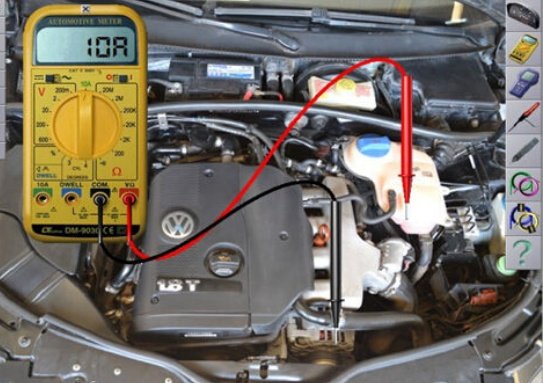
Transmission & Component Configuration
Specify the required manual transmission, automatic transmission, gearbox, transmission assembly, or selected components according to the curriculum and vehicle technology being taught.

Practical Training Function Customization
Configure the trainer for required activities such as disassembly and assembly, component inspection, measurement, adjustment, gear-operation demonstration, maintenance procedures, controlled operation, or fault diagnosis, depending on the selected transmission.
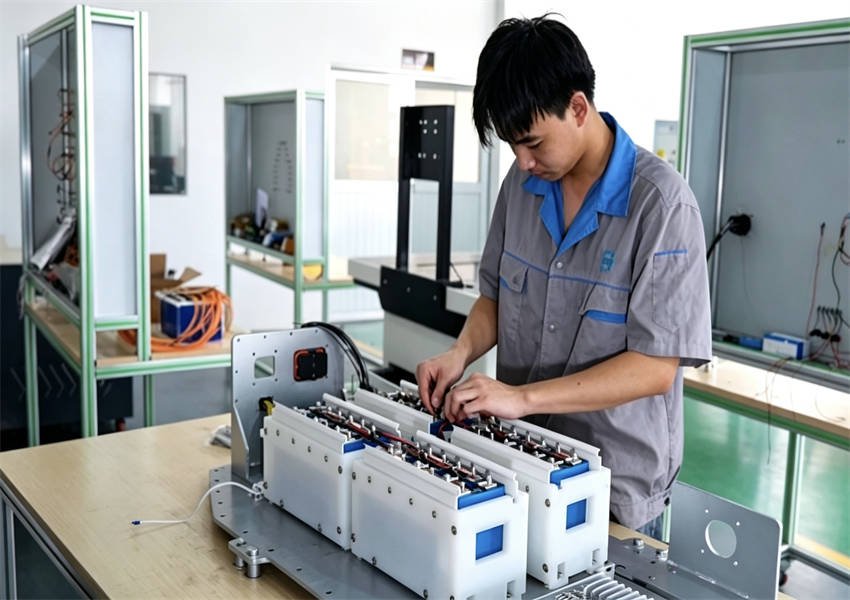
Measurement & Diagnostic Configuration
For advanced training projects, HS can integrate specified test points, sensors, measurement interfaces, electrical connections, OBD/CAN functions, or fault-insertion systems according to the transmission architecture and required diagnostic tasks.
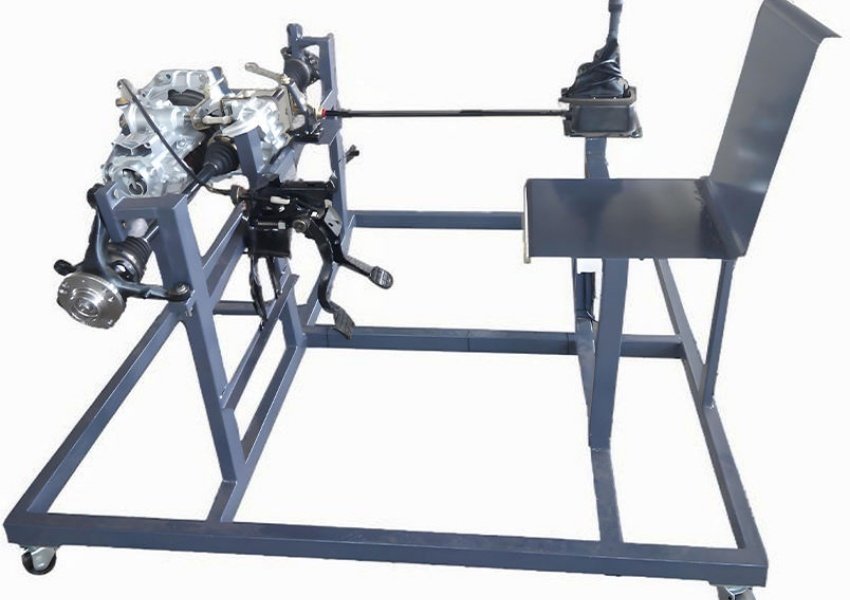
Structure, Layout & Working Dimensions
Customize the frame, equipment dimensions, transmission mounting position, working height, component arrangement, mobility configuration, and operating access according to the training space and practical requirements.
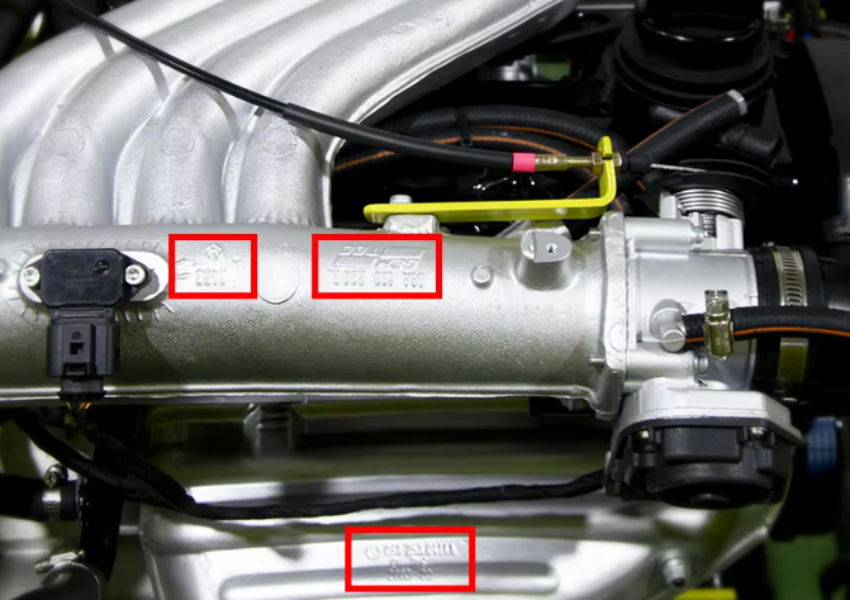
OEM/ODM Product Development
HS supports OEM/ODM customization including product design, logo, panel graphics, language, manuals, packaging, and other specified requirements.

Project Implementation & Technical Support
HS supports multi-unit projects with equipment configuration, laboratory integration, installation guidance, operator training, and spare-parts planning.
Automotive Engine Trainer Quality Control & Performance Testing
1. Structural & Assembly Verification: Check the trainer frame, engine mounting, component fixation, wiring arrangement, control panel, and operating access against the approved configuration.
2. Electrical Connection Verification: Verify power supply circuits, ECU connections, sensor and actuator wiring, grounding, connectors, and designated measurement interfaces.
3. Engine System Function Testing: For operating configurations, verify the specified engine-system functions and observe whether the configured systems respond correctly under the required operating conditions.
4. Measurement & Diagnostic Function Testing: Check designated test points, measurement interfaces, diagnostic access, and selected fault-training functions where included.
5. Safety & Operating Verification: Verify electrical protection, component fixation, accessible operating areas, emergency or protective functions where configured, and general operating safety.
6. Final Configuration Verification: Confirm that the completed trainer matches the approved configuration, technical specifications, order requirements, component list, and functional checklist before shipment.
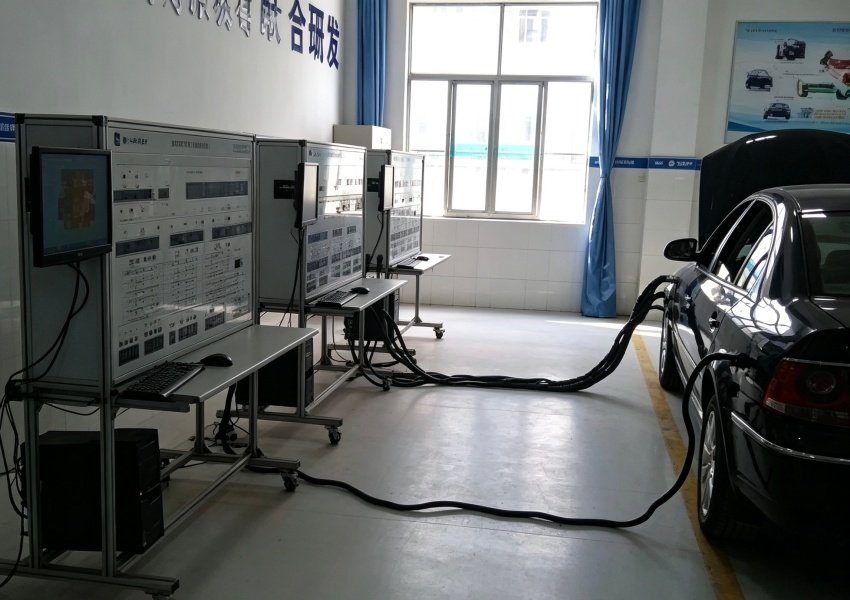
Automotive Transmission Trainer Price, Lead Time & Delivery
Price
The Automotive Transmission Trainer price is US$4,272–5,299 per unit. The final quotation depends on the selected transmission, training configuration, practical functions, measurement or diagnostic requirements, customization, and order quantity.
The main factors affecting the price include:
- Transmission type and configuration — Different transmission structures require different component preparation and mounting solutions.
- Training functions — Hands-on disassembly, inspection, adjustment, controlled operation, measurement, and diagnostic functions may require different configurations.
- Measurement & diagnostic integration — Sensors, test points, interfaces, and fault-related functions can affect the equipment configuration.
- Customization — Special dimensions, frame structures, panel layouts, branding, language, or laboratory requirements may change the final quotation.
- Order quantity — Pricing can be confirmed according to the total project quantity and configuration.
Lead Time
For a standard configuration, production is typically 20–25 working days after the technical requirements, equipment configuration, and order details are confirmed.
For a custom configuration, production is typically 30–45 working days, with the final schedule confirmed after technical review and design approval. More complex transmission configurations may require additional engineering confirmation before production starts.
Pre-Shipment Factory Testing
Before shipment, HS completes factory pre-assembly and functional testing to verify the confirmed transmission installation, mechanical operation, component fixation, and specified training functions.
For configurations including measurement or diagnostic functions, the relevant interfaces and functions are also checked before shipment.
Shipping & Delivery
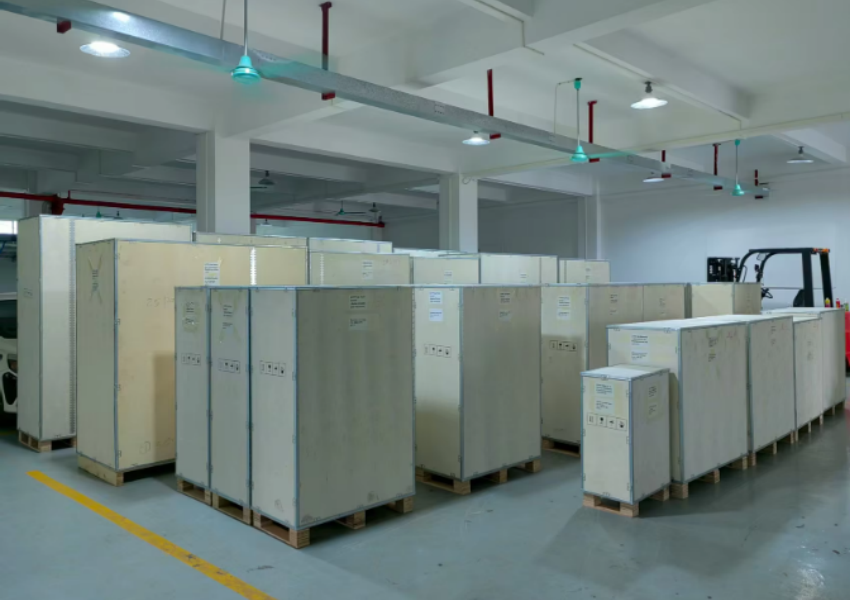
The equipment is prepared with export-grade packaging suitable for international transportation. Shipping time is approximately 10–30 days, depending on the transportation method and delivery destination.
- Sea Freight — Suitable for larger equipment and multiple-unit laboratory orders.
- Air Freight — Suitable when a shorter transportation time is required.
- Express Delivery — Suitable for smaller or urgent shipments where applicable.
The actual shipping schedule is confirmed according to the selected transportation method and delivery destination.
Installation & Technical Support
Installation requirements depend on the trainer structure and selected functions. HS provides operation manuals, training materials, instructional videos, and technical support according to the equipment configuration.
For customized or multi-unit projects, HS can also discuss installation guidance, operator training, spare parts, and project-specific technical support during the planning stage.
Send Your Inquiry Today
FAQ About Automotive Transmission Trainers
1. What is the difference between a transmission trainer and a transmission cutaway model?
A transmission trainer can be configured for practical activities such as disassembly, inspection, measurement, adjustment, and operation, while a cutaway model mainly emphasizes visibility of internal structures and mechanical relationships. The right choice depends on whether the course prioritizes hands-on service skills or structural demonstration.
2. Can students practice transmission disassembly and assembly on the trainer?
Yes, when the trainer is configured for hands-on work. The transmission can be mounted with suitable access so students can perform specified removal, inspection, adjustment, and reassembly procedures.
3. Can an Automotive Transmission Trainer demonstrate gear ratios and power flow?
Yes. A suitable configuration can demonstrate how different gears change the transmission ratio and how input power travels through the selected gear and shaft arrangement.
4. Should I choose a manual or automatic transmission trainer?
Choose according to the transmission technology covered by the curriculum. Manual transmission trainers are appropriate for courses centered on gear selection, synchronizers, shafts, and manual gearbox structure, while automatic transmission trainers require a configuration matching the internal architecture and service procedures of the selected automatic transmission.
5. Can a transmission trainer be used for diagnostic training?
It can when diagnostic functions are included in the configuration. Depending on the transmission system, HS can integrate specified sensors, test points, electrical interfaces, OBD/CAN connections, or fault-insertion functions for diagnostic exercises.
6. What equipment should be used together with a transmission trainer?
A transmission trainer can be combined with engine trainers, automotive electrical trainers, diagnostic equipment, and chassis training equipment. This allows students to connect transmission operation with engine power delivery, vehicle electrical systems, diagnostics, and complete vehicle powertrain operation.
7. Is a complete vehicle necessary for transmission practical training?
Not always. A dedicated transmission trainer provides direct access to the transmission and its components without requiring students to work inside a complete vehicle, which can make component-level training, inspection, and service procedures more controlled and accessible.
8. Can HS develop a transmission trainer around a specified gearbox or training program?
Yes. HS can develop Custom Training Equipment around a specified transmission, including the mounting structure, practical training functions, measurement or diagnostic interfaces, dimensions, panels, branding, and other project requirements. The final configuration is confirmed after technical review.
Related Automotive Training Equipment
An Automotive Transmission Trainers is often more effective when combined with other automotive training equipment. Schools can build a progressive training laboratory instead of relying on one platform for every subject.