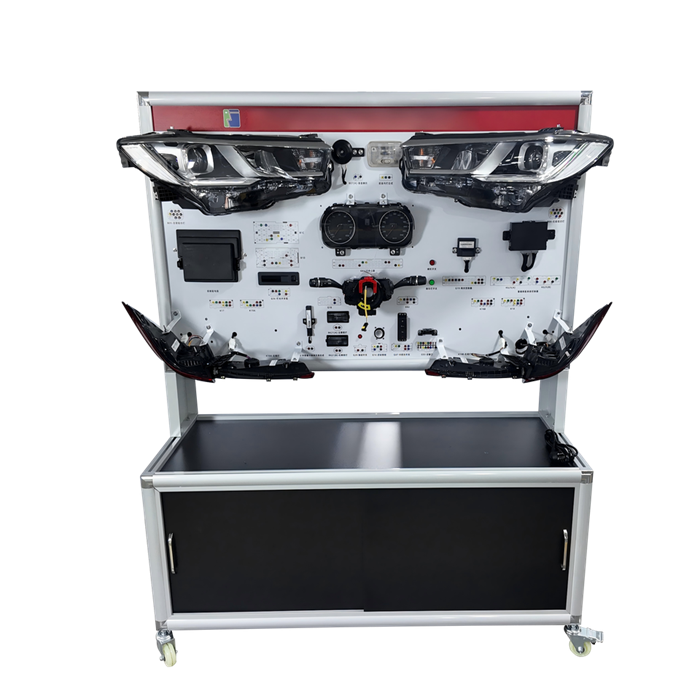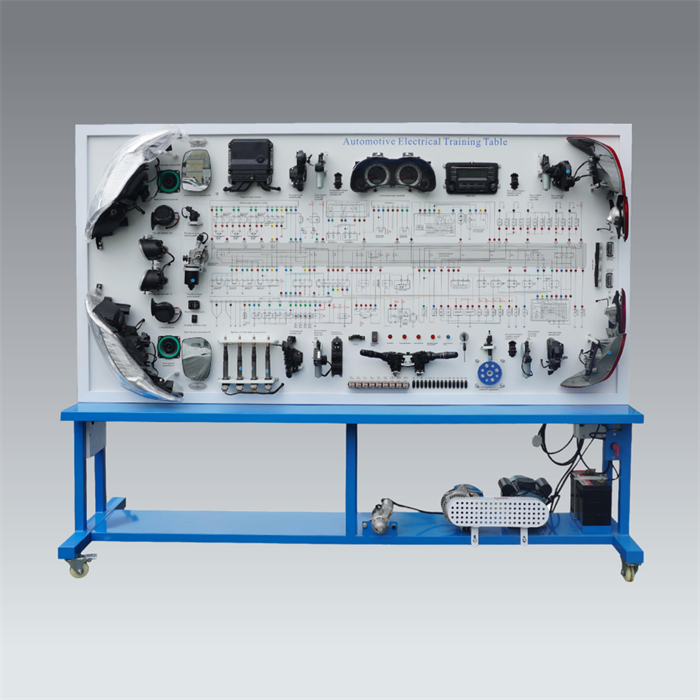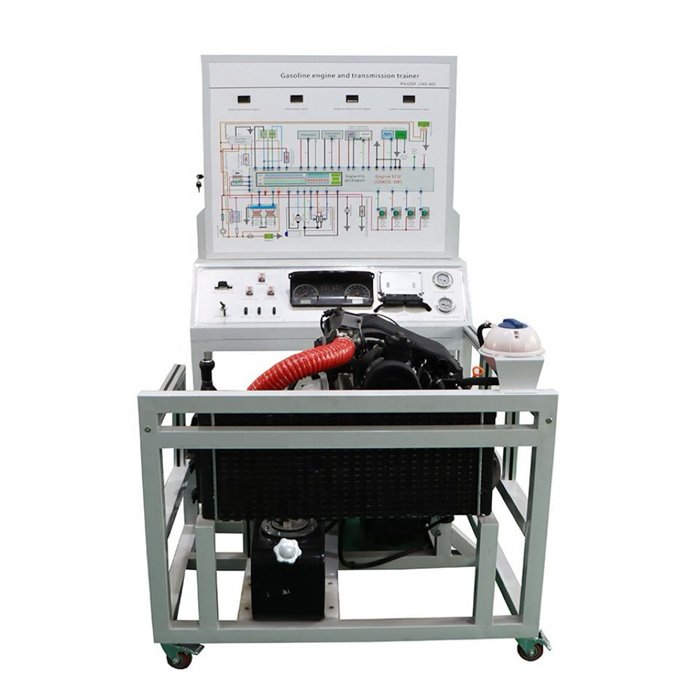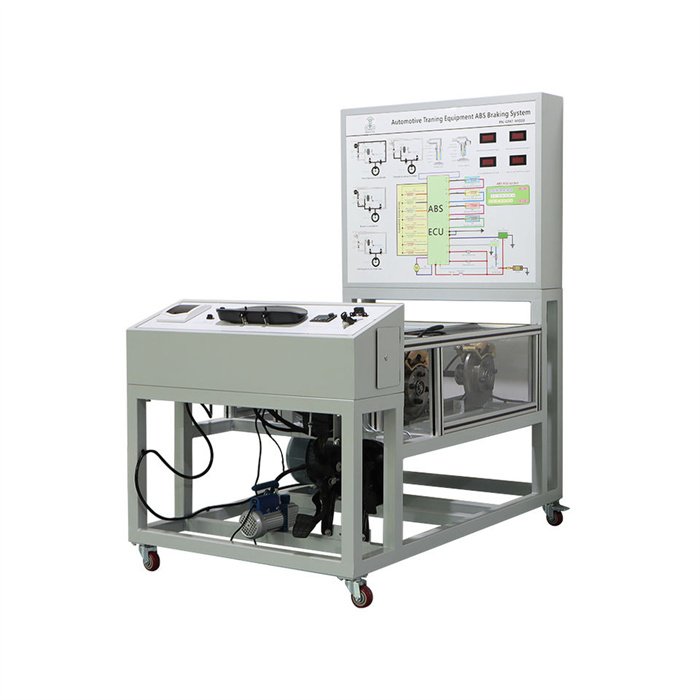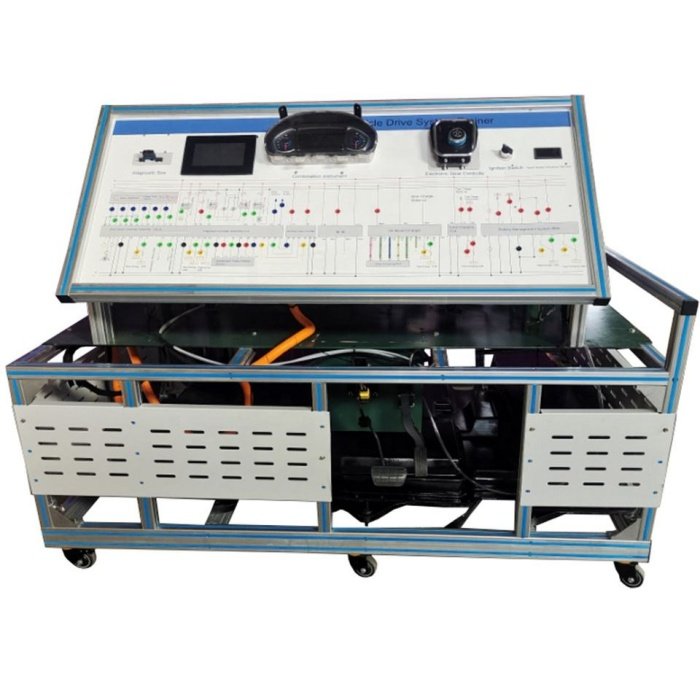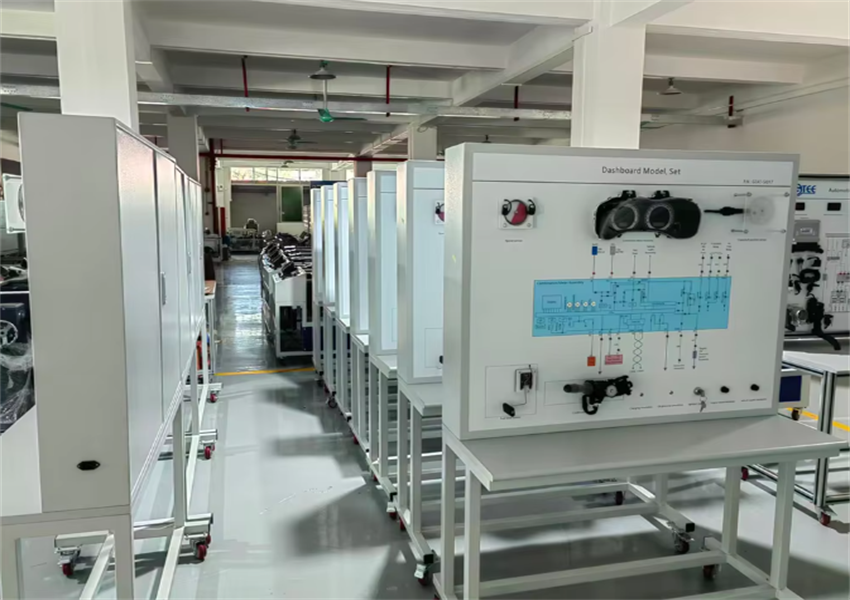
Automotive Chassis Trainer
The Automotive Chassis Trainer is a hands-on training platform for teaching and practicing automotive chassis systems, including suspension, steering, braking, transmission, and drivetrain, depending on the selected configuration. It is designed for training programs where students need direct access to chassis components and mechanisms for practical learning.
Reference Price: US$2,460–5,845/set.
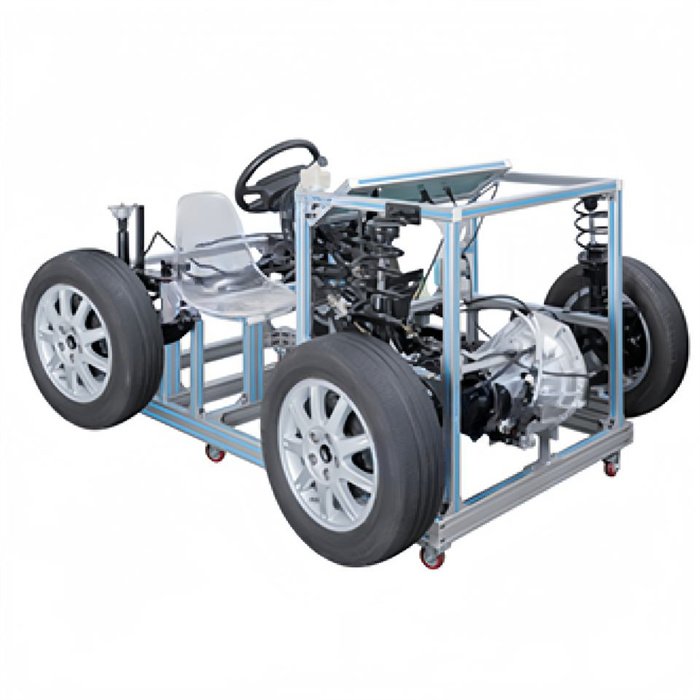
Automotive Chassis Trainer Types
Automotive Chassis Trainers can be configured in different forms because not every training program needs the same level of chassis coverage. A basic platform may focus on component structure and mechanical principles, while a more advanced system can combine multiple chassis subsystems and support dynamic demonstrations or diagnostic exercises.
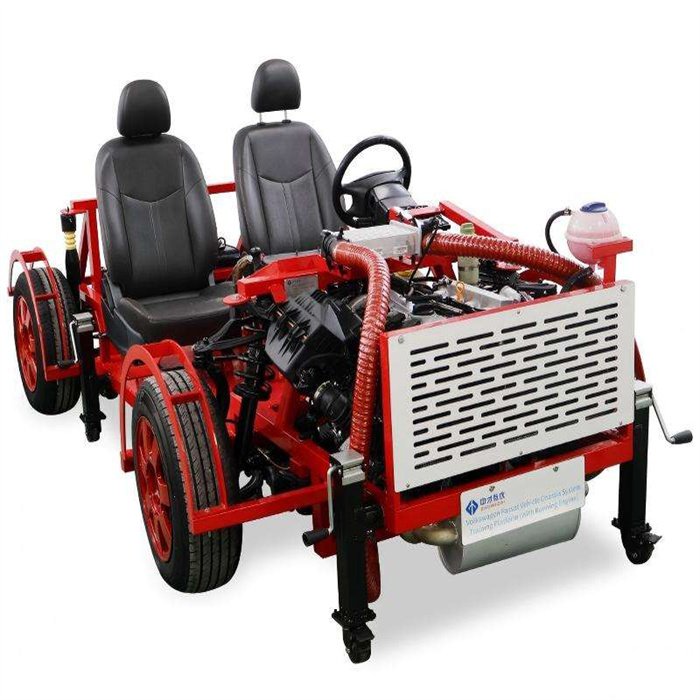
Complete Automotive Chassis Trainer
Integrates major chassis systems on one training platform, making it suitable for comprehensive chassis structure and maintenance courses.
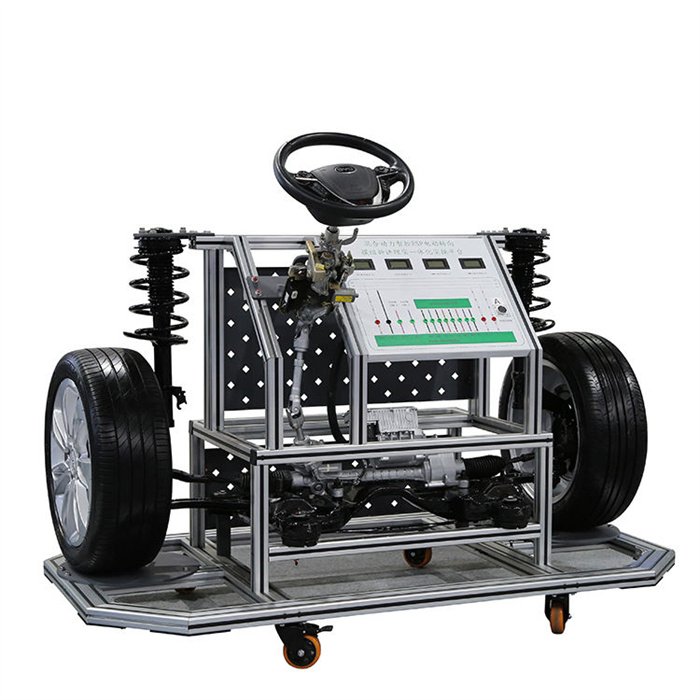
Suspension & Steering Trainer
Focuses on suspension structure, steering mechanisms, steering linkage, wheel movement, and related maintenance operations.
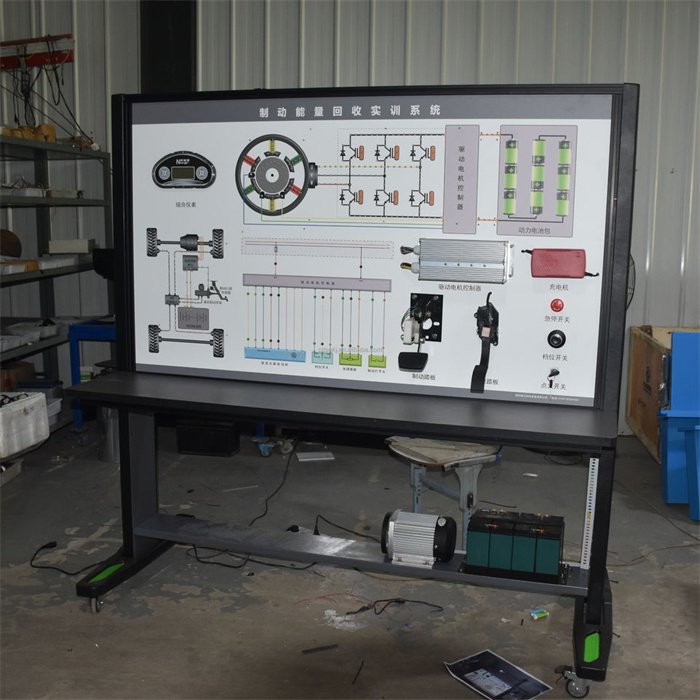
Braking System Trainer
Designed for learning braking components, brake force transmission, hydraulic operation, brake control, and related inspection procedures.
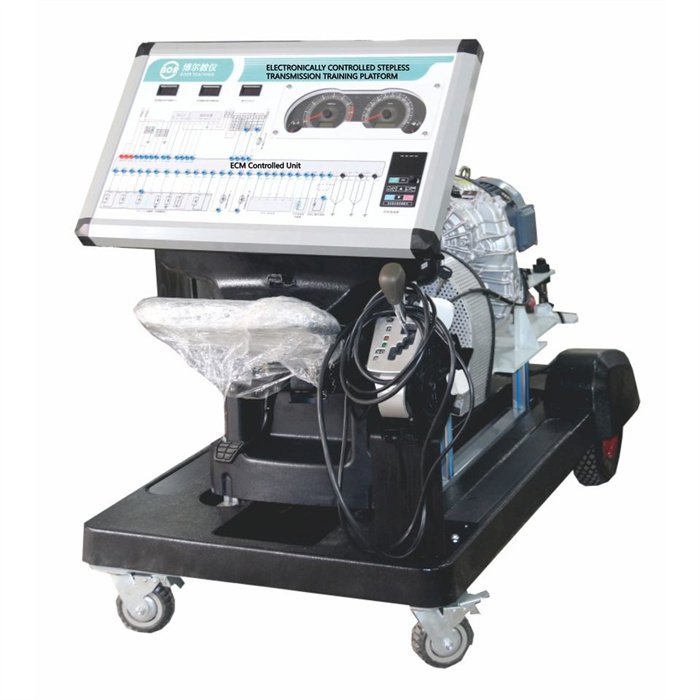
Transmission & Drivetrain Trainer
Used for gear shifting, power transmission, clutch operation, drivetrain structure, and mechanical troubleshooting training.
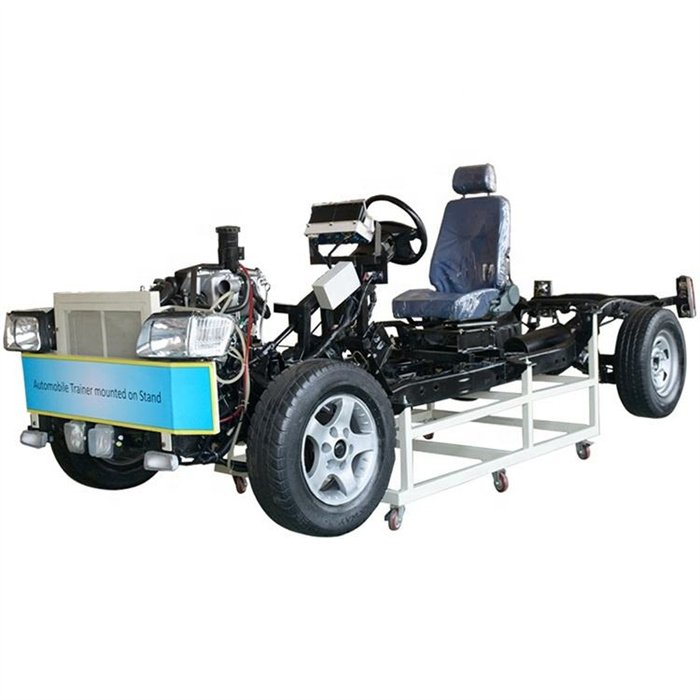
Motorized Dynamic Chassis Trainer
Adds a drive mechanism to demonstrate selected moving parts or power transmission processes at controlled speed.
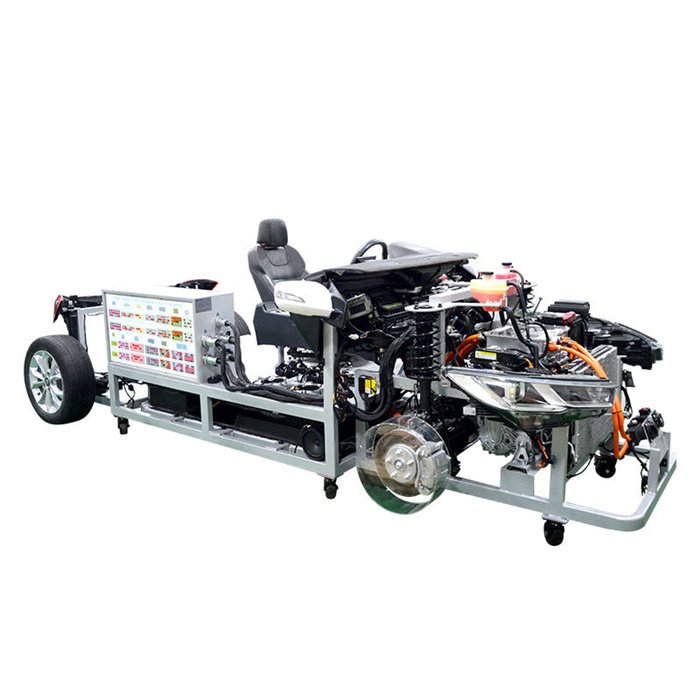
Chassis Diagnostic Training Platform
Adds measurement points, electrical interfaces, sensors, or fault simulation functions for more advanced troubleshooting training.
Automotive Chassis Trainer Training Functions
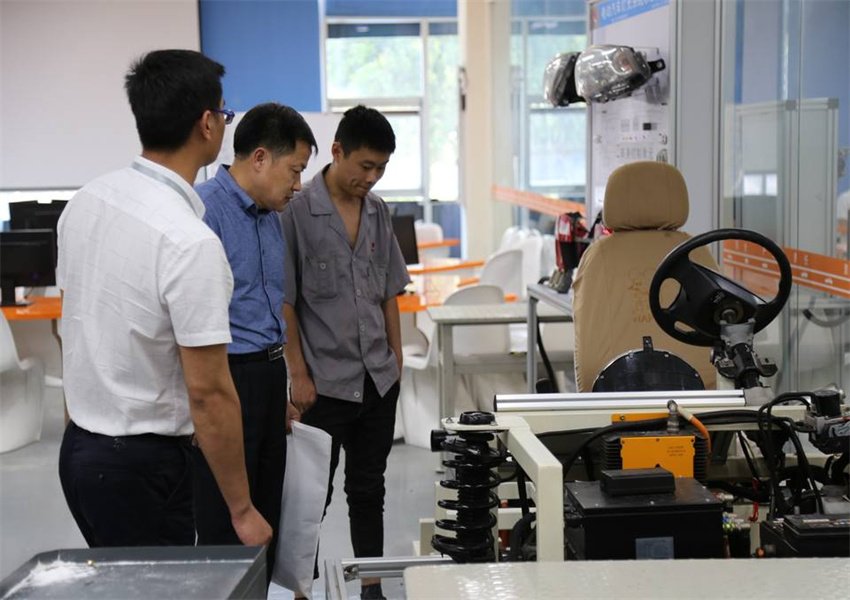
The Automotive Chassis Trainer is built for practical training rather than demonstration alone. It enables trainees to work directly with chassis components and develop skills in system identification, component operation, assembly and disassembly, inspection, adjustment, and basic troubleshooting.
Chassis System Training :Covers the configured suspension, steering, braking, transmission, and drivetrain systems, helping students understand component relationships and how mechanical systems work together.
Assembly, Inspection & Adjustment :Supports hands-on practice in component removal, installation, inspection, adjustment, and maintenance procedures, making it suitable for automotive maintenance skills training.
Dynamic Operation :For configurations with a drive system, trainees can observe selected chassis mechanisms or power transmission components operating under controlled conditions.
Measurement & Fault Diagnosis :Where required, the trainer can be equipped with measurement points, sensors, diagnostic interfaces, or fault simulation functions for advanced practical training.
How to Choose the Right Automotive Chassis Trainer
1. Match systems to curriculum: Identify required chassis systems—suspension, steering, braking, transmission, drivetrain. Choose multi-system for multiple courses; specialized for a single focus.
2. Match trainer to hands-on tasks: Define whether students need identification, disassembly, inspection, adjustment, maintenance, or troubleshooting. For observing motion, select controlled dynamic operation.
3. Set measurement and diagnostic level: Basic training needs component access; advanced courses require test points, sensors, electrical interfaces, fault simulation, and diagnostics. Select per training objectives.
4. Consider student level and intensity: Entry-level needs clear structures and accessible components. Advanced training requires space for inspection, adjustment, and measurement. Equipment must withstand daily student use.
5. Check physical, structural, and safety requirements: Confirm dimensions, working height, access space, power, moving parts, and safety against room and local rules. Verify welded steel frame, secure mounts, and casters rated for total weight.
6. Evaluate complete supply and long-term value: Compare beyond price. Confirm included components, accessories, manuals, software/diagnostic tools, warranty, spare parts, support, installation, and operator training. A supported configuration covering required courses offers better value than a cheaper limited platform.
The right chassis trainer matches your curriculum, provides required hands-on functions, and delivers reliable long-term value.
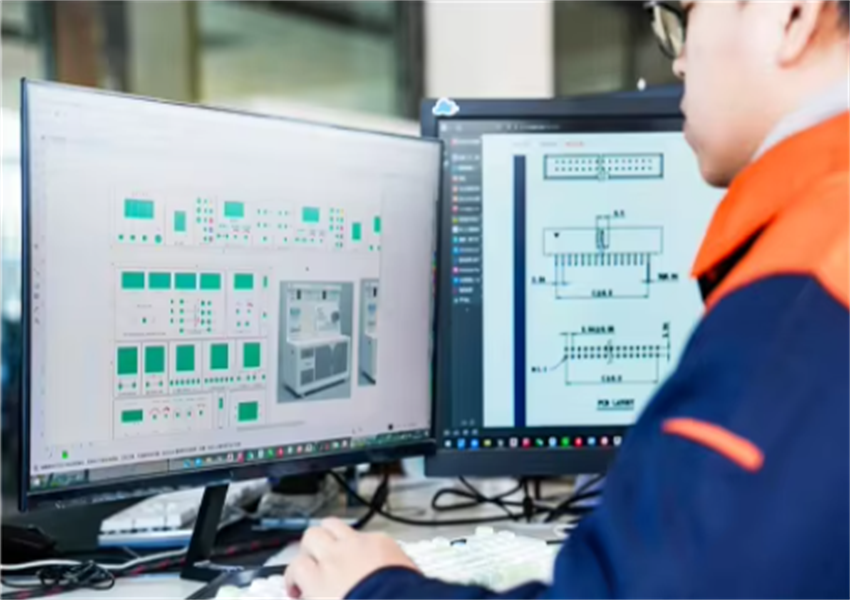
Custom Automotive Chassis Trainer Solutions
Automotive training programs may require different chassis systems, practical tasks, and equipment layouts. HS provides Custom Training Equipment to adapt the Automotive Chassis Trainer to specific curriculum, vehicle systems, laboratory conditions, and project requirements.
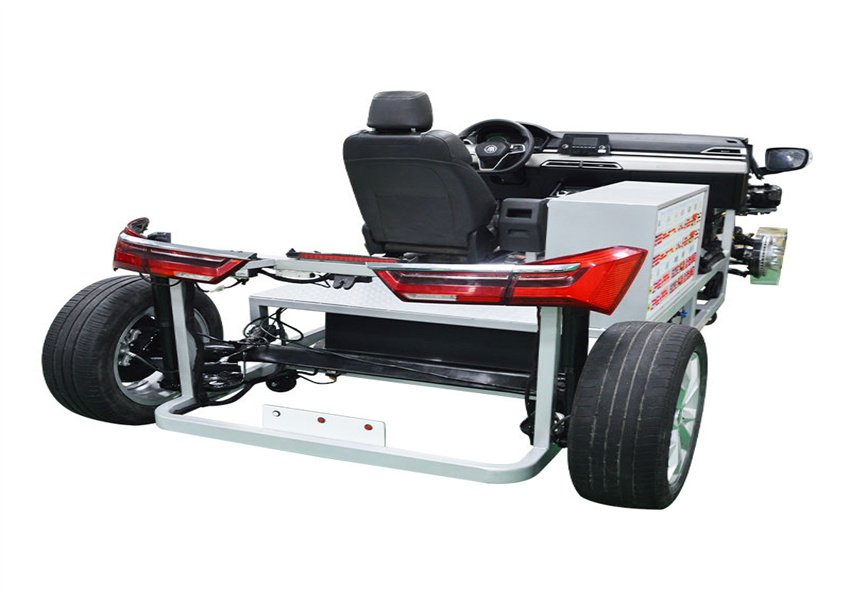
Chassis System & Curriculum Matching
Identify required systems—suspension, steering, braking, transmission, drivetrain. Choose a multi-system platform for multiple courses; a specialized configuration for a single focus.
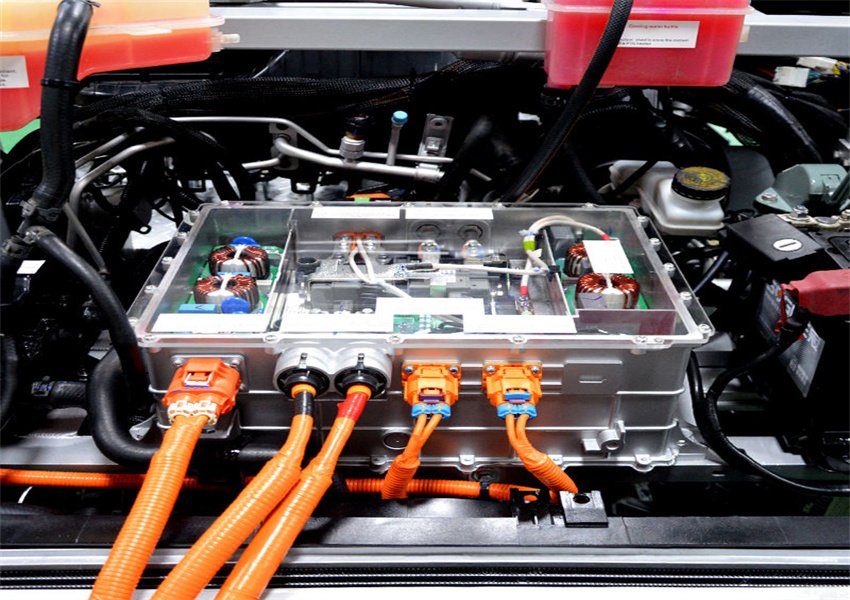
Hands-on Tasks & Trainer Matching
Confirm whether students need component identification, disassembly, inspection, adjustment, maintenance, or troubleshooting. For observing mechanical motion or power transmission, select controlled dynamic operation.
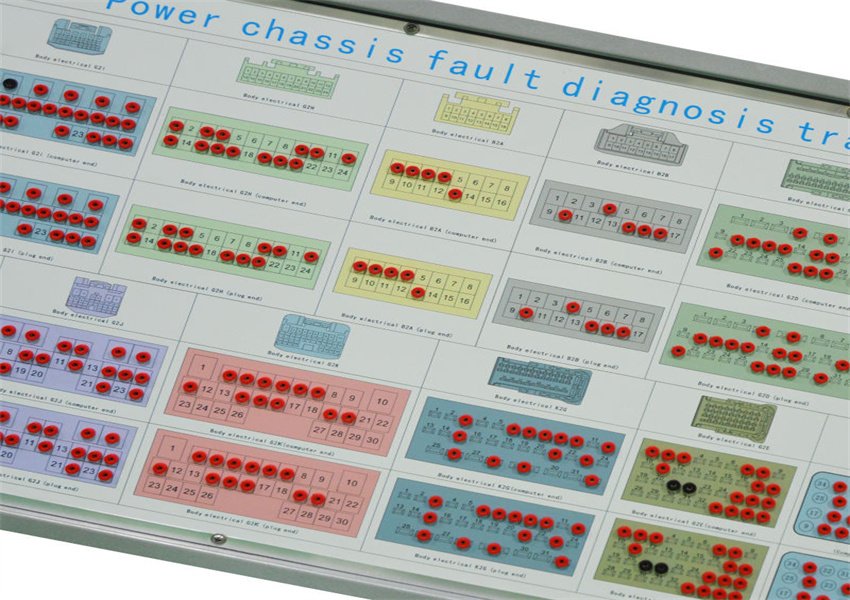
Measurement & Diagnostic Level
Basic training requires component access. Advanced courses may need test points, sensors, electrical interfaces, fault simulation, and diagnostic functions. Select according to actual training objectives.
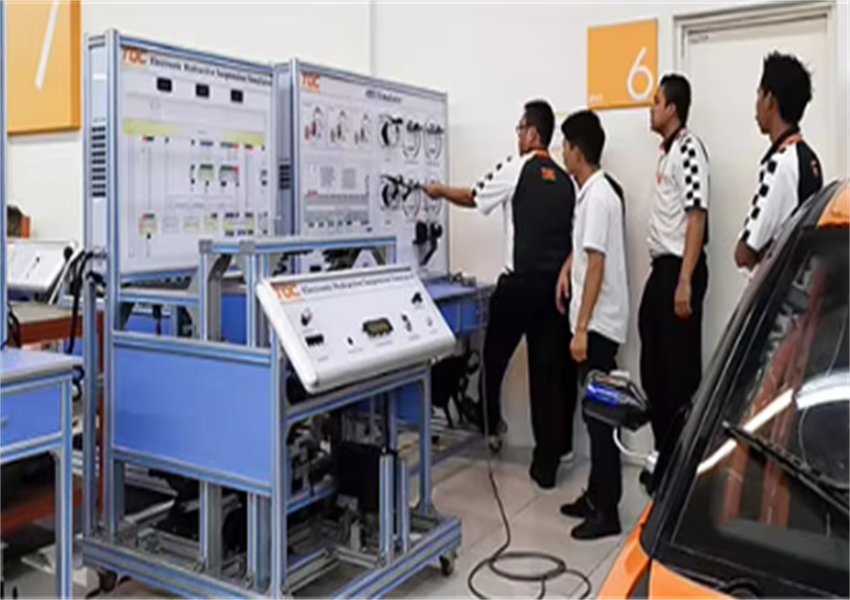
Student Level & Training Intensity
Entry-level programs need clear structures and accessible components. Advanced training requires sufficient space for inspection, adjustment, troubleshooting, and measurement. Equipment must withstand daily student use.
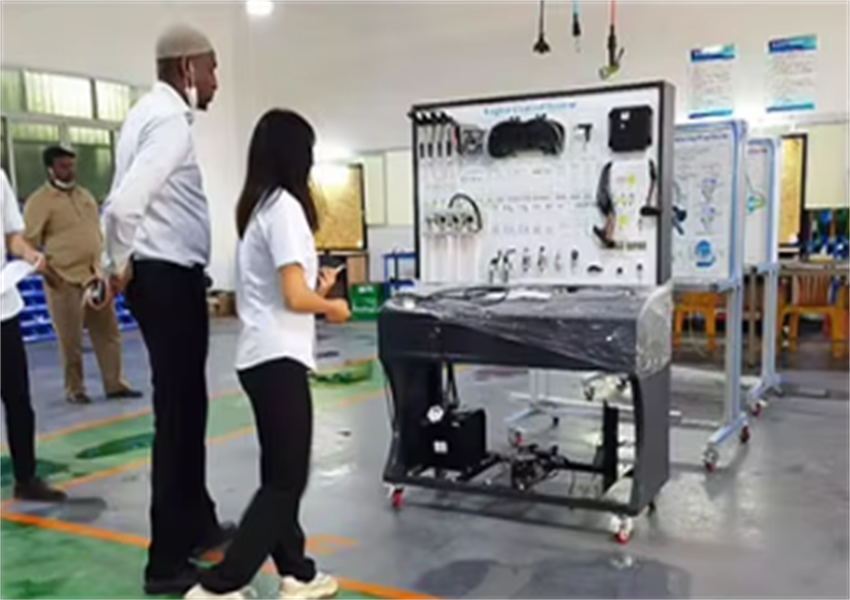
Physical, Structural & Safety Requirements
Confirm dimensions, working height, access space, power supply, moving parts, and safety features against room conditions and local regulations. Verify welded steel frame, secure mounts, and casters rated for total weight.
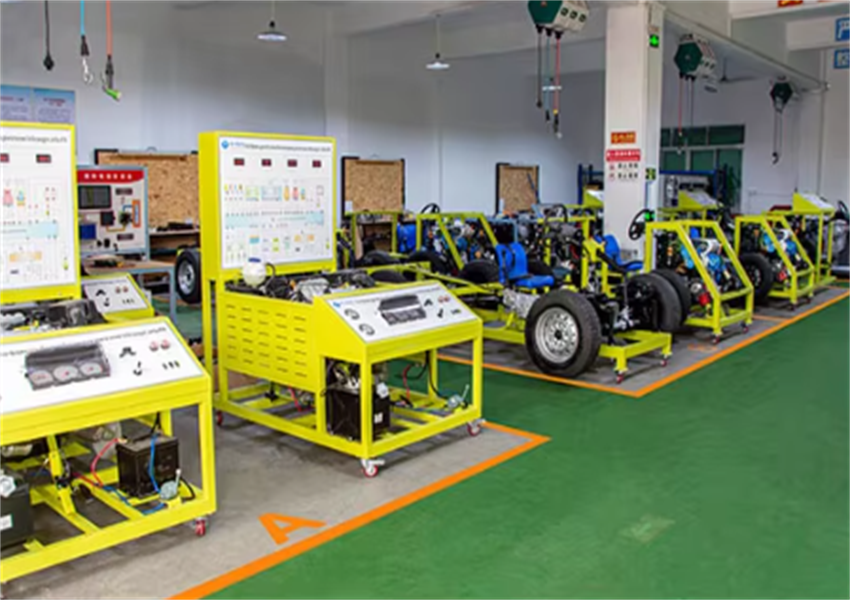
Complete Supply & Long-Term Value
Compare beyond purchase price. Confirm included components, accessories, manuals, software or diagnostic tools, warranty, spare parts, technical support, installation guidance, and operator training. A supported configuration covering required courses offers better value than a lower-priced limited platform.
Quality Control & Performance Testing
Each chassis trainer is factory-tested before shipment to verify compliance with the approved configuration and technical specifications.
1. Structural & Assembly Verification: Frame, mounting points, component fixation, working height, and moving assemblies are checked for secure installation and repeated student use.
2. Chassis Function Testing: Configured steering, suspension, braking, transmission, and drivetrain systems are tested for correct mechanical operation and component interaction.
3. Dynamic Performance Testing: Motorized configurations are tested for controlled movement, power transmission, gear shifting, and specified dynamic functions under intended operating conditions.
4. Electrical, Diagnostic & Safety Testing: Wiring, power connections, switches, control circuits, sensors, test points, and diagnostic interfaces are inspected. Safety checks include stability, moving-part protection, electrical protection, and caster locking where applicable.
5. Final Configuration Verification: Before packaging, each unit is checked against the approved configuration, order requirements, and functional checklist.
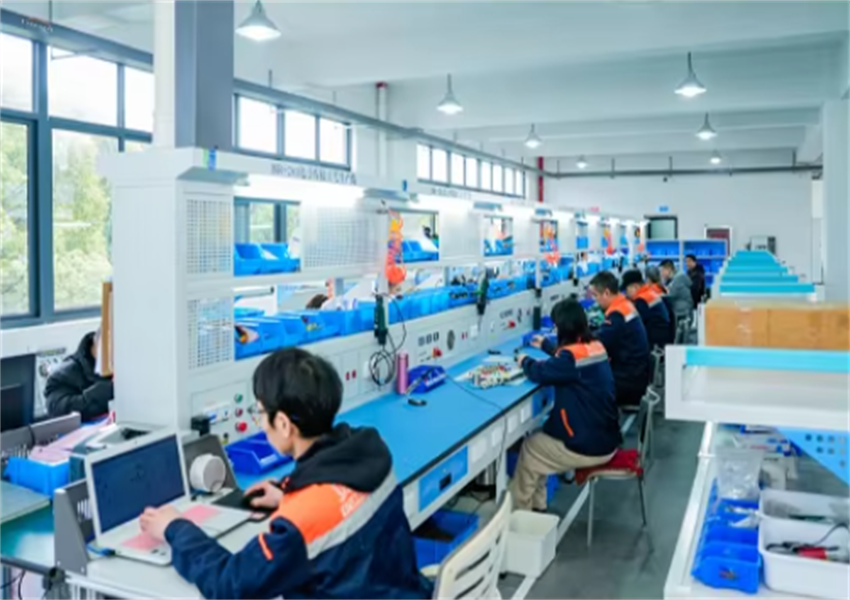
Automotive Chassis Trainer Price, Lead Time & Delivery
Price
The Automotive Chassis Trainer price is approximately US$2,460–5,845/set. Final quotation depends on selected chassis systems, training functions, dynamic or diagnostic configuration, customization requirements, and order quantity. Custom MOQ starts from 1 set.
Lead Time
Production is scheduled after technical requirements, equipment configuration, and customization details are confirmed. Standard configurations: approximately 20 working days. Custom configurations: final lead time is confirmed after technical review and design approval; typically 30–45 working days depending on system complexity and order quantity.
Pre-Shipment Inspection
Before shipment, each trainer undergoes factory pre-assembly and functional testing to verify the confirmed configuration, system connections, and specified training functions. Test records can be provided upon request.
Shipping & Delivery
Standard delivery includes export-grade wooden crate packaging suitable for international transportation. Shipping time is approximately 10–30 days, depending on the transportation method and destination.
HS can arrange:
Sea freight – suitable for large equipment or bulk orders; lowest cost, longest transit time.
Air freight – suitable when faster delivery is required; higher cost, shorter transit time.
Express delivery – suitable for smaller or urgent shipments; door-to-door service.
The actual shipping schedule is confirmed according to the selected transportation method and destination.
Installation & Technical Support
Installation requirements depend on the selected trainer configuration. HS provides operation manuals, training materials, videos, and technical support for installation, operation, and training use. For customized projects, installation requirements and technical support scope can be confirmed before shipment. On-site installation support can be arranged upon request for large laboratory projects.
Send Your Inquiry Today
FAQ About Automotive Transmission Trainers
1. Can an Automotive Chassis Trainer be used for different training levels?
Yes. It can support basic learning such as component identification and system principles, as well as advanced training including assembly, adjustment, measurement, and troubleshooting, depending on the configuration.
2. Can several students use the trainer at the same time?
Yes, depending on the equipment layout and training tasks. The trainer can support small-group practical training, while multiple units can be used for larger classes.
3. What is the advantage of a chassis trainer compared with a complete vehicle?
A chassis trainer provides easier access to key components and clearer system visibility in a controlled training environment. It is designed for repeated classroom practice and structured hands-on training.
4. Can it be used as part of an automotive training laboratory?
Yes. It can be combined with engine, electrical, diagnostic, transmission, and EV training equipment to build a complete practical training laboratory.
5. What routine maintenance does the trainer require?
Routine maintenance includes checking fasteners, moving assemblies, mechanical connections, and electrical connections where applicable. Maintenance should follow the supplied operation and maintenance instructions.
6. Are spare parts available after delivery?
Yes. HS can provide spare parts and replacement support according to the equipment configuration. Common replacement requirements can also be planned before delivery for multi-unit projects.
7. Can the trainer be upgraded in the future?
Upgrade options depend on the original structure, interfaces, and reserved functions. Future measurement, diagnostic, or other training requirements can be considered during the initial design stage.
8. What training materials are provided with the equipment?
HS can provide operation manuals, training materials, instructional videos, and technical support according to the equipment and project requirements.
Related Automotive Training Equipment
An Automotive Chassis Trainer is often more effective when combined with other automotive training equipment. Schools can build a progressive training laboratory instead of relying on one platform for every subject.