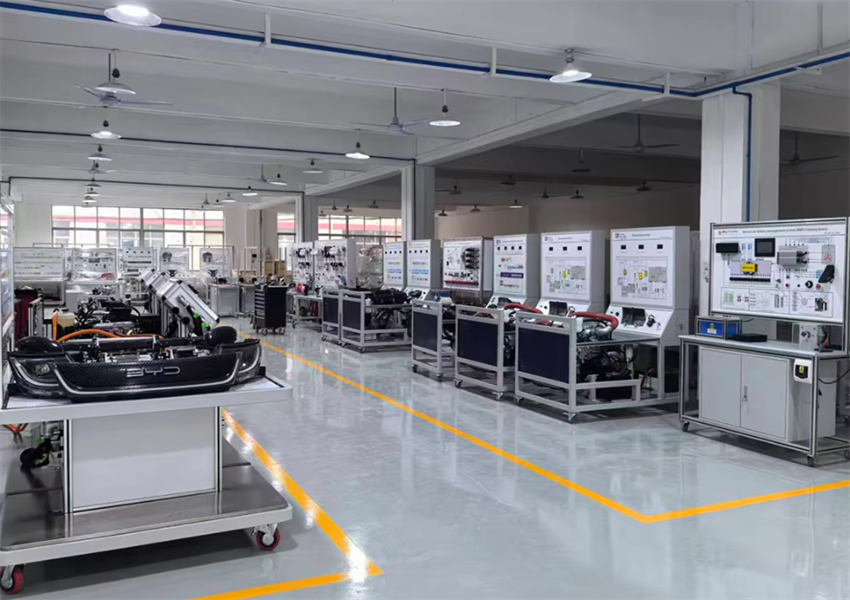
Fuel injector trainer
The Fuel Injector Trainer provides a practical training platform for studying fuel injector structure, injection operation, fuel delivery, testing, measurement, and related fault analysis. The focused trainer format allows trainees to examine the injector and its related fuel-system operation without requiring a complete engine training platform.
Price: approximately US$987–2,961/set
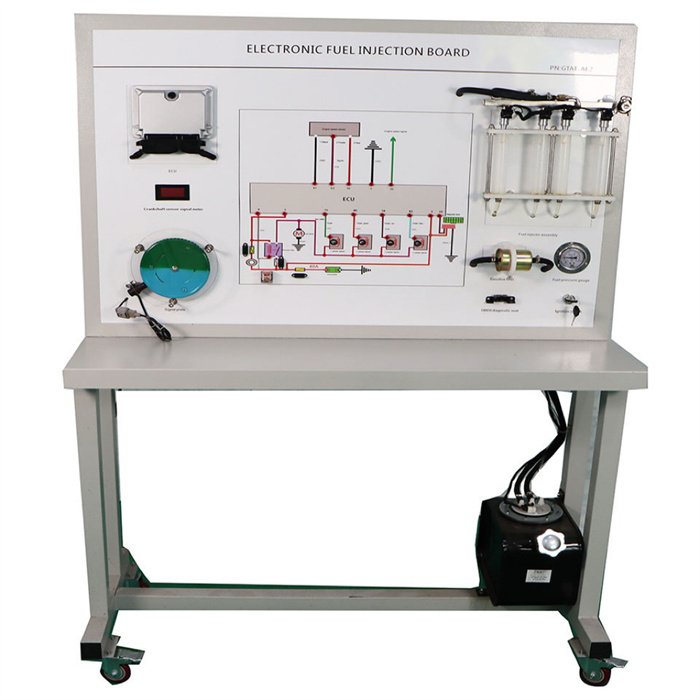
Fuel Injector Trainer Systems & Training Functions
The Fuel Injector Trainer focuses on the injector and its related fuel-delivery and control process. Depending on the selected configuration, the training scope can cover injector operation, fuel delivery, testing, measurement, and analysis of injection-system conditions.
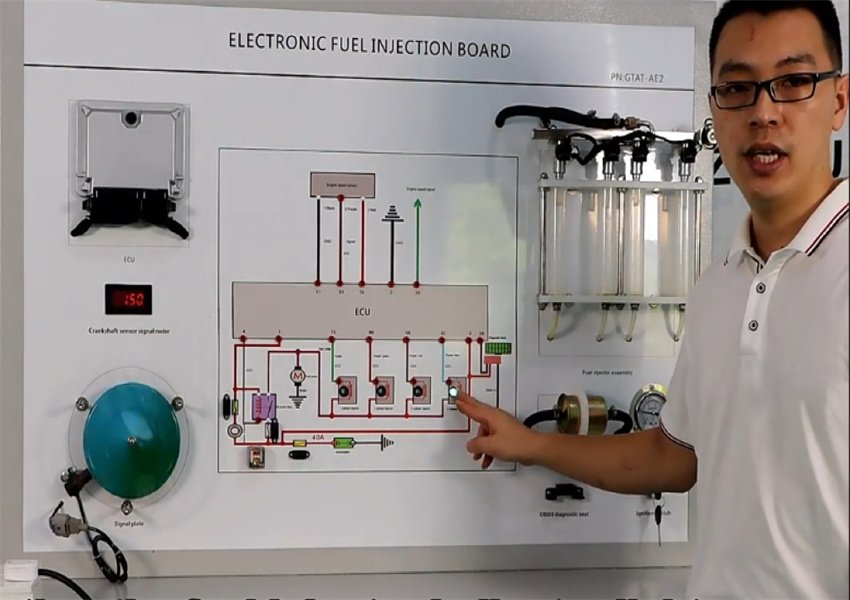
1. Fuel Injector System: Configure the required injector type and applicable fuel injection system according to the intended training scope.
2. Injector Operating Principle: Training can demonstrate how the configured injector operates within the applicable fuel injection system and how its operation relates to fuel delivery.
3. Fuel Delivery & Injection Process: Where applicable, the trainer can present the fuel delivery path and configured injection process for practical observation and analysis.
4. Injector Testing & Measurement: Specified testing points, measurement functions, or observation methods can be configured according to the required practical training tasks.
5. Injection Condition Analysis: Trainees can analyze the configured injection condition using available measurement or observation functions and compare the results with the expected system condition.
6. Injector Inspection & Fault Analysis: The training scope can include injector condition inspection, abnormal-condition identification, and applicable fault-analysis tasks.
7. Training Configuration Scope: The trainer can be configured for focused injector training or integrated fuel injection system training according to the required curriculum and practical depth.
From Injector Operation to Testing: Practical Training Workflow
The Fuel Injector Trainer supports a focused practical workflow from identifying the injector and fuel-system relationship to observing operation, performing tests, analyzing results, and verifying the injector condition.
1. Identify the Injector & System: Identify the configured injector, its related fuel-system components, and the fuel delivery path.
2. Examine Injector Operation: Operate or observe the configured system according to the available training functions and identify the injector’s role in the injection process.
3. Check the Injection Condition: Use the available observation or testing method to examine the configured injection condition.
4. Perform Testing & Measurement: Use the specified test points or measurement functions to obtain the required injector or system information.
5. Analyze Test Results: Compare the test results with the expected operating condition and identify possible abnormal conditions.
6. Verify the Injector Condition: Complete the applicable adjustment, inspection, or troubleshooting task and verify the resulting injector or system condition.
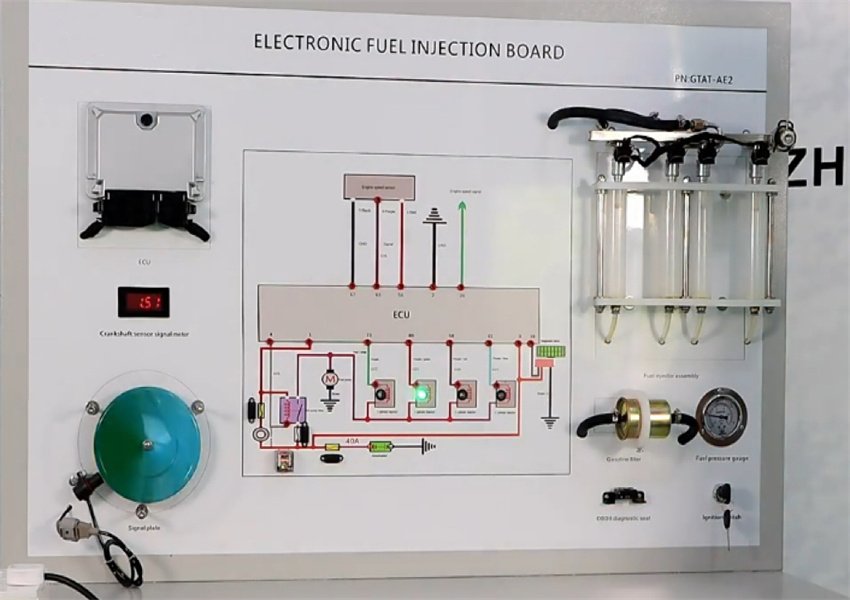
Custom Fuel Injector Trainer
HS can customize the Fuel Injector Trainer around the required injector type, fuel injection system, testing scope, and practical training requirements. Specific configurations are confirmed according to the curriculum and project requirements.
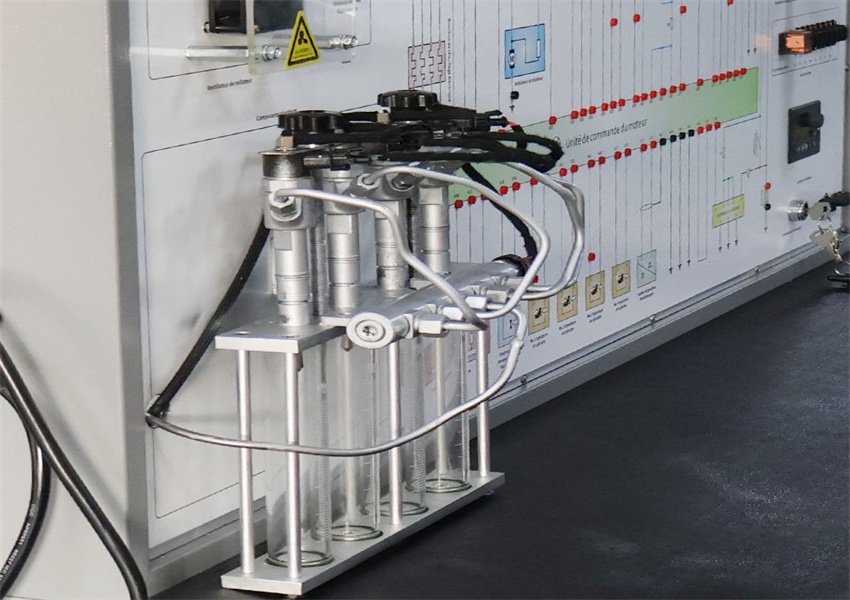
Injector Type & Injection System
Specify the required injector type and corresponding fuel injection system according to the intended training scope.
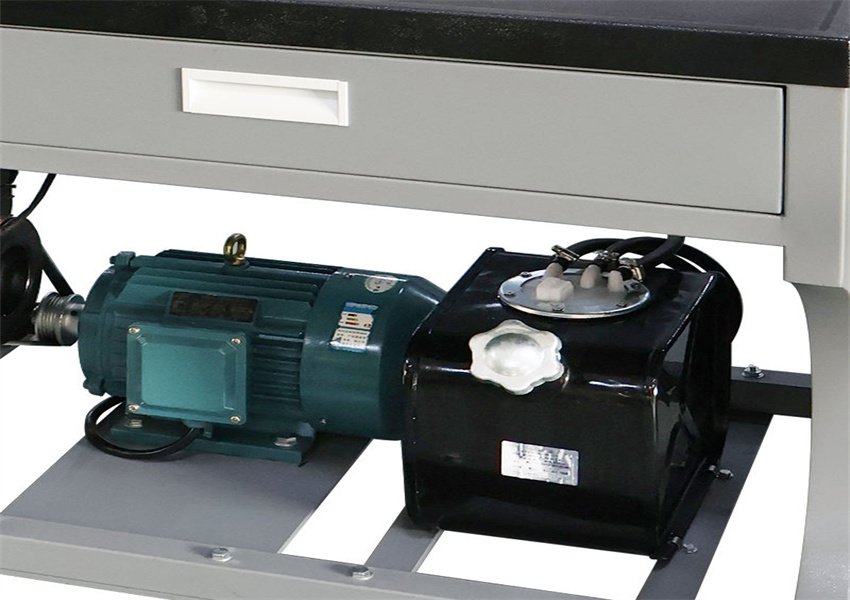
Injector Testing & Training Scope
Define the required injector operating, testing, measurement, observation, and analysis functions according to the practical training tasks.
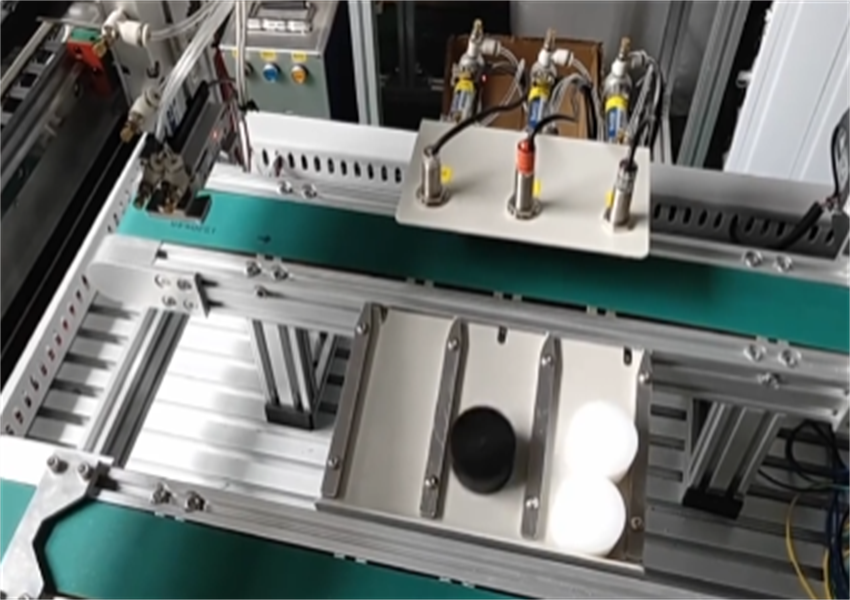
Measurement & Analysis Configuration
Configure the required test points, measurement functions, and applicable analysis methods according to the selected injector system.
Fuel Injector Trainer Price, Lead Time, Shipping & Installation
Price
Approximately US$987–2,961/set.
The final price depends on the selected injector type, injection system, testing functions, measurement configuration, and confirmed technical requirements.
Lead Time
Standard configuration: approximately 20–25 working days.
Custom configuration: approximately 30–45 working days.
Production starts after the technical requirements, configuration, and order details are confirmed. For customized projects, the schedule is arranged after technical review, configuration confirmation, and design approval where required.
Pre-Shipment Inspection
Each Fuel Injector Trainer undergoes factory inspection before shipment against the approved configuration and technical specification.
Inspection covers the trainer structure and assembly, configured injector and fuel-system functions, testing or measurement functions where applicable, and final configuration verification.
Shipping & Delivery
The overall transportation period is usually about 20–45 days, depending on the destination, shipping method, cargo arrangement, and logistics schedule.
Sea Freight: suitable for complete training equipment, multiple units, and regular B2B education equipment shipments. Consolidated or dedicated shipment can be considered according to cargo quantity and destination.
Air Freight: suitable when faster transportation is required and the equipment size, weight, and destination make air transport practical. The higher transport cost should be considered for larger or heavier equipment.
Express Delivery: suitable mainly for smaller supporting items, documents, components, or urgent shipments where the size and weight meet the carrier’s service conditions.
Delivery Coordination: the destination, shipping method, shipment arrangement, and delivery requirements should be confirmed before dispatch.
Packaging is selected according to the trainer structure and shipping requirements, with wooden packaging/crating used where appropriate for export transportation.
Installation & Technical Support
HS provides installation and technical support for the Fuel Injector Trainer according to the selected configuration and project requirements. Support focuses on helping the customer complete equipment setup, understand the injector training procedures, and put the configured testing and training functions into practical use.
Installation Guidance: Provides guidance for trainer assembly, fuel-system connections, testing or measurement interfaces where configured, and required pre-operation checks.
Operation & Training Guidance: Provides manuals and training videos covering injector operation, testing procedures, measurement methods, condition analysis, and applicable troubleshooting tasks.
Configuration-Based Support: Technical guidance is matched to the selected injector type, injection system, measurement functions, and practical training scope rather than using a generic operating procedure.
The specific installation and support scope is confirmed according to the final equipment configuration, delivery requirements, and project conditions.
Send Your Inquiry Today
FAQ About Fuel Injector Trainer
1. What does a Fuel Injector Trainer allow trainees to study that a complete engine trainer does not?
The Fuel Injector Trainer isolates the injector and its related fuel injection process as the main training object, allowing more focused study of injector operation, testing, measurement, and injection-condition analysis. A complete engine trainer covers a much broader range of engine systems, so injector-specific training may be less focused.
2. Is this equipment for studying the injector itself or the complete fuel injection system?
The answer depends on the selected configuration. The trainer can be configured for focused injector training or expanded to cover relevant parts of the fuel injection system when required.
3. Can trainees compare injector operating conditions through testing?
Where the required testing and measurement functions are configured, trainees can obtain the specified injector or system information and compare the results against the expected operating condition. The available comparison method depends on the selected injector system and measurement configuration.
4. What is the difference between an Injector Trainer and a Common Rail Training System?
An Injector Trainer can focus specifically on injector operation, testing, and injection analysis, while a Common Rail Training System normally addresses a wider relationship between the injector, fuel-pressure circuit, control components, and electronic control system. The appropriate choice depends on whether the curriculum requires component-level injector training or broader common rail system training.
5. Does the injector type affect the training configuration?
Yes. Different injector types can involve different operating principles, testing requirements, and applicable measurement methods. The required injector type should therefore be confirmed together with the intended training tasks before the equipment is configured.
6. Can the Fuel Injector Trainer be used for fault-analysis training?
Where applicable fault-analysis or testing functions are included, trainees can use the trainer to identify abnormal injector conditions, examine relevant test information, and analyze possible causes. The exact fault-analysis scope depends on the selected configuration.
7. How should a buyer choose between an injector-focused trainer and an engine-based training system?
Choose an injector-focused trainer when the curriculum requires concentrated training on injector operation, testing, measurement, or injection analysis. An engine-based system is more appropriate when injector training needs to be integrated with broader engine operation and other engine systems.
8. What information should be confirmed before ordering a Fuel Injector Trainer?
The key information includes the required injector type or injection system, main practical training tasks, testing and measurement requirements, and whether the training should focus on the injector itself or extend to related fuel-system components. These requirements determine the appropriate training configuration.
Related Automotive Training Equipment
A Diesel Engine with Manual Transmission Trainer combines engine and transmission training in one platform. Complementary equipment can extend the laboratory into dedicated transmission, automotive electrical, or broader diagnostic training.
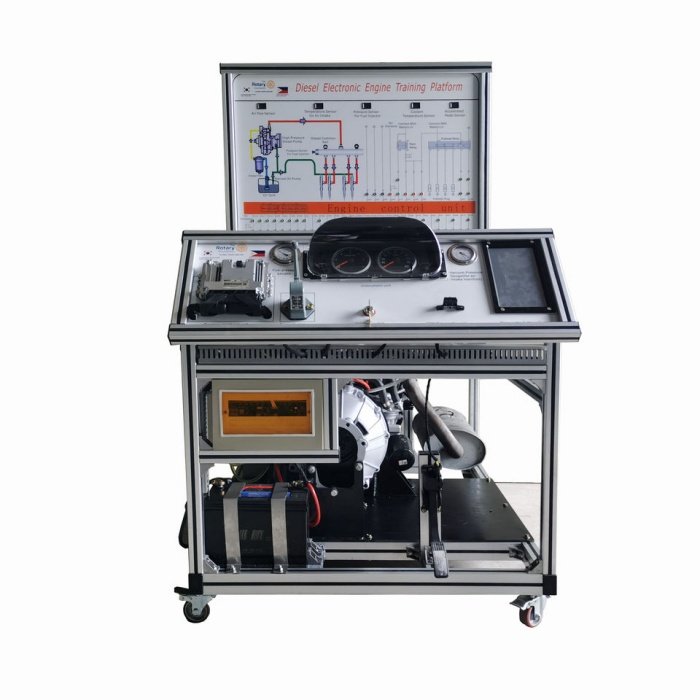
Extends injector training to complete diesel engine operation and system analysis.
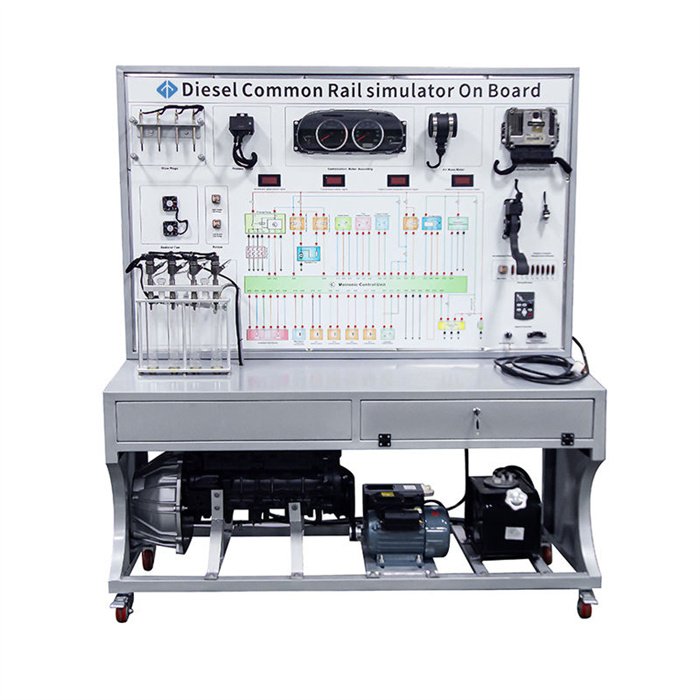
Focuses on common rail electronic control, signal testing, and diagnostic analysis.
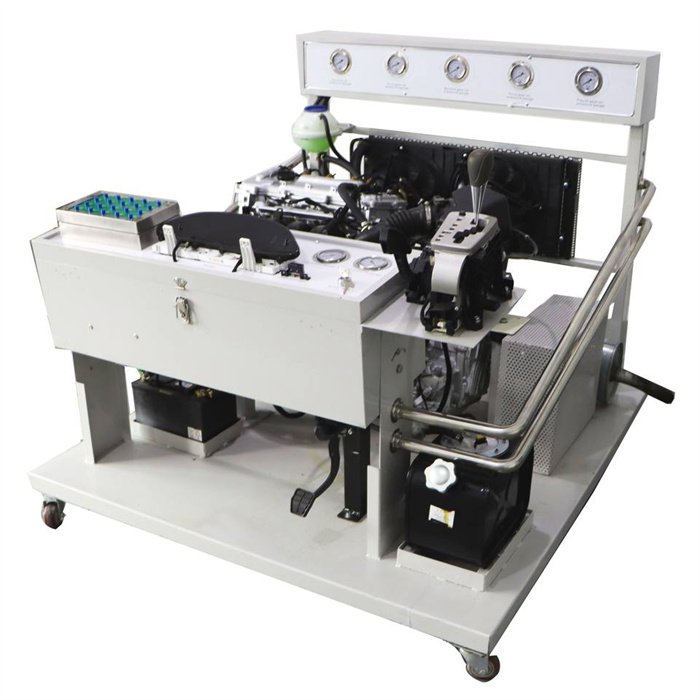
Extends system-level troubleshooting into broader automotive diagnostic procedures and diagnostic training.