Choosing automotive training equipment should start with the training program, not with a product list.
The equipment you need depends on the subject being taught, student level, practical exercises, class size and available training space. A vocational school, university, training center and automotive manufacturer may therefore require different equipment configurations.
A simple way to make the right choice is to define the training requirements first and then match the equipment to them.
Start With the Training Objective
Before comparing equipment, define what students are expected to learn.
For example, a course may focus on:
- Engine systems and operation
- Automotive electrical systems
- Vehicle diagnostics
- EV technology
- Braking, steering or suspension systems
Then identify what students need to achieve during practical training.
Do they need to observe a system, operate components, take measurements, perform diagnostic procedures or practice troubleshooting?
The answer determines the type of equipment you should consider.
Choose Equipment Based on the Training Subject
The automotive system covered by the course is one of the first factors to consider.
Engine Training
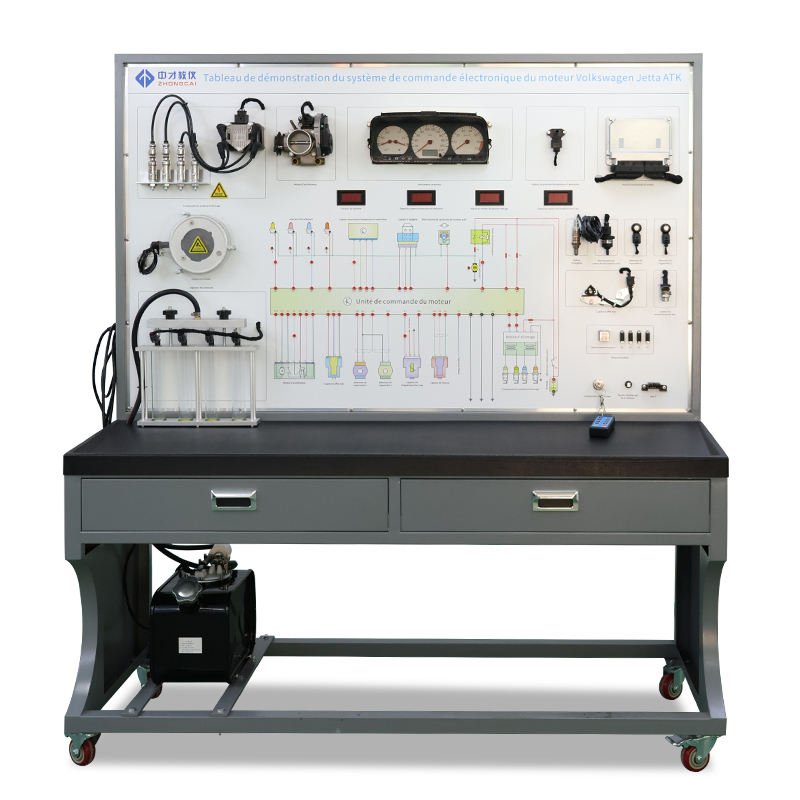
For engine training, determine whether students mainly need to understand component structure and system operation or whether they will also perform practical operations and testing.
The equipment configuration should support the actual exercises included in the course.
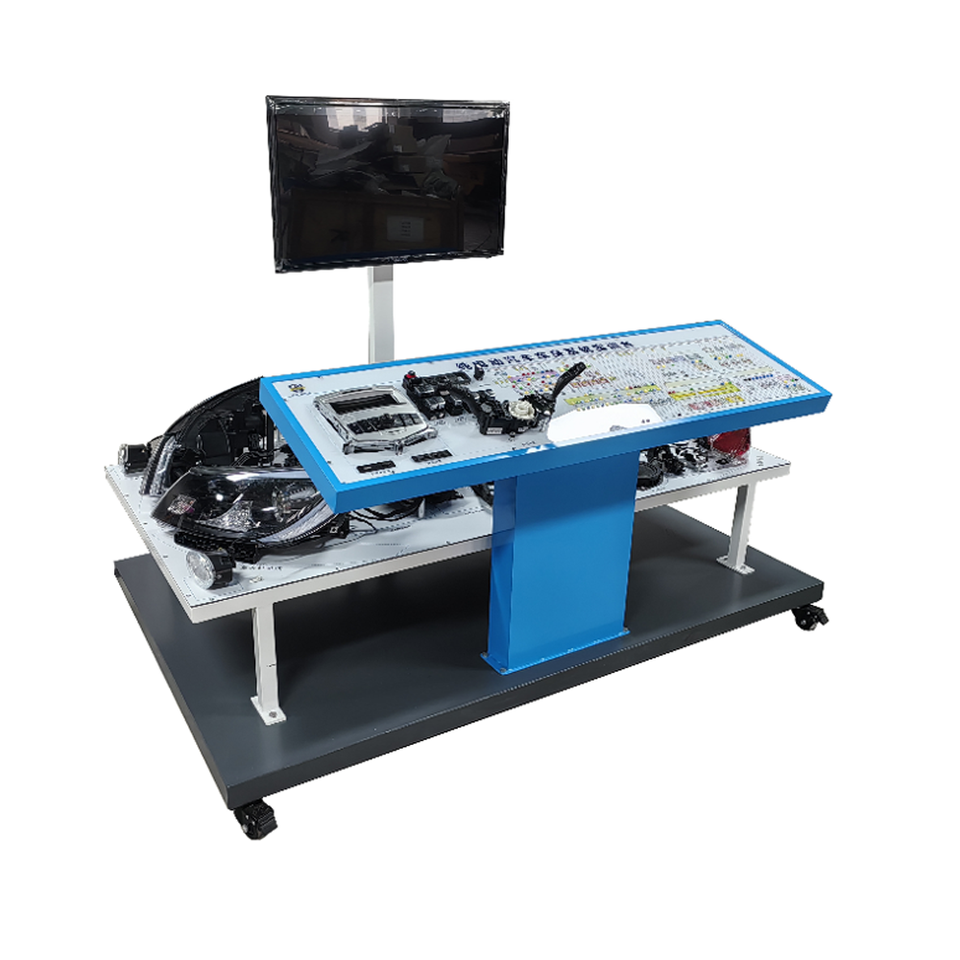
Automotive Electrical Training
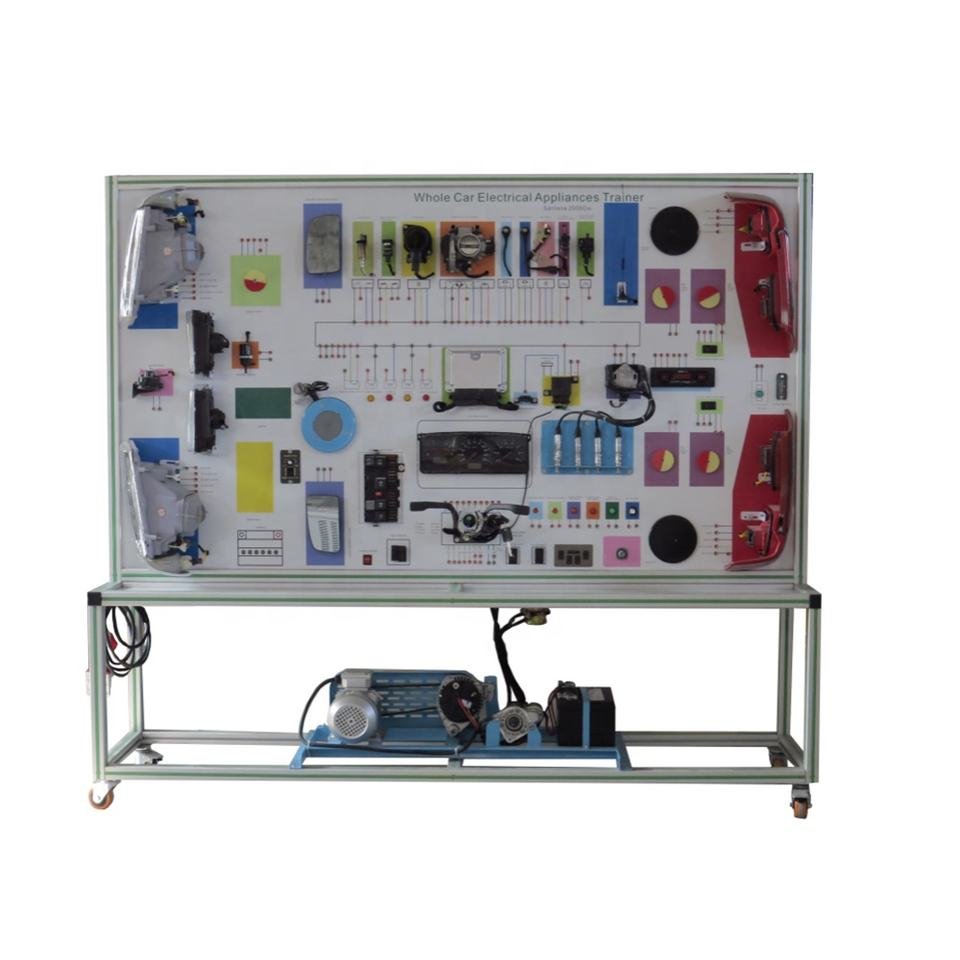
For electrical training, consider the circuits and systems included in the curriculum.
If students need to identify circuits, operate switches, work with connectors or take measurements, the equipment should provide appropriate access for those activities.
Diagnostic Training
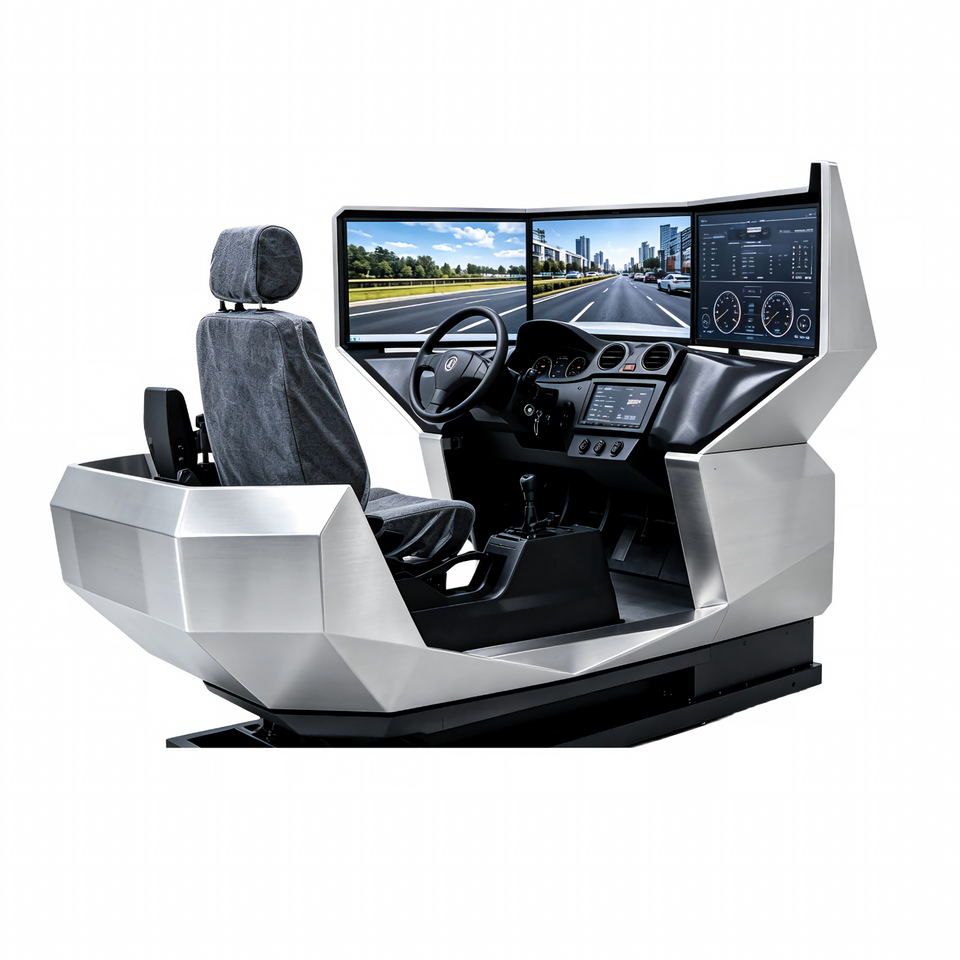
Diagnostic training requires equipment that supports the diagnostic tasks students are expected to practice.
Before selecting a unit, identify the procedures included in the course and check whether the equipment provides the required interfaces and testing access.
A longer feature list does not necessarily make one diagnostic training unit more suitable than another.
EV Training
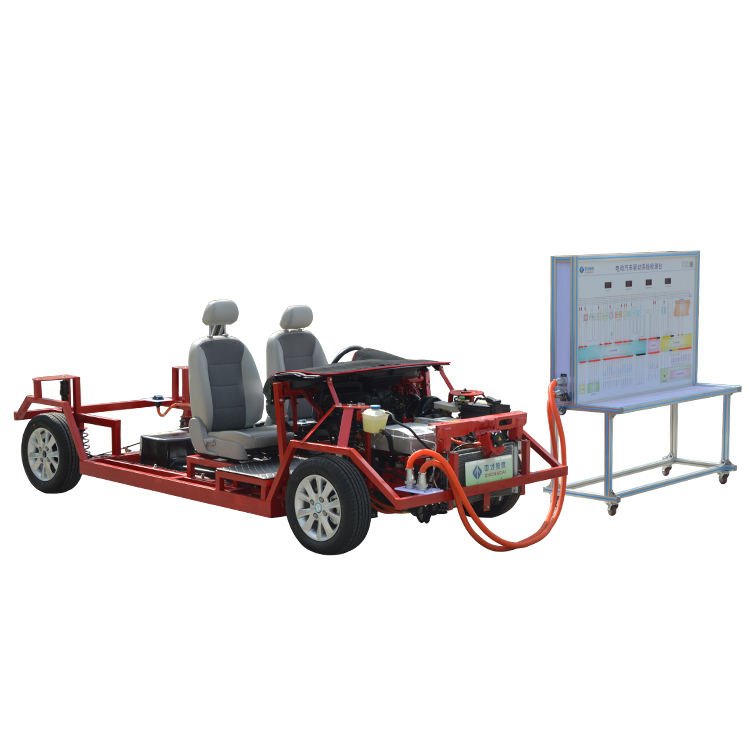
EV training equipment should be selected according to the specific EV topics being taught and the level of practical work required.
Basic teaching and advanced technical training may require different equipment configurations, so the course content should be reviewed before making the selection.
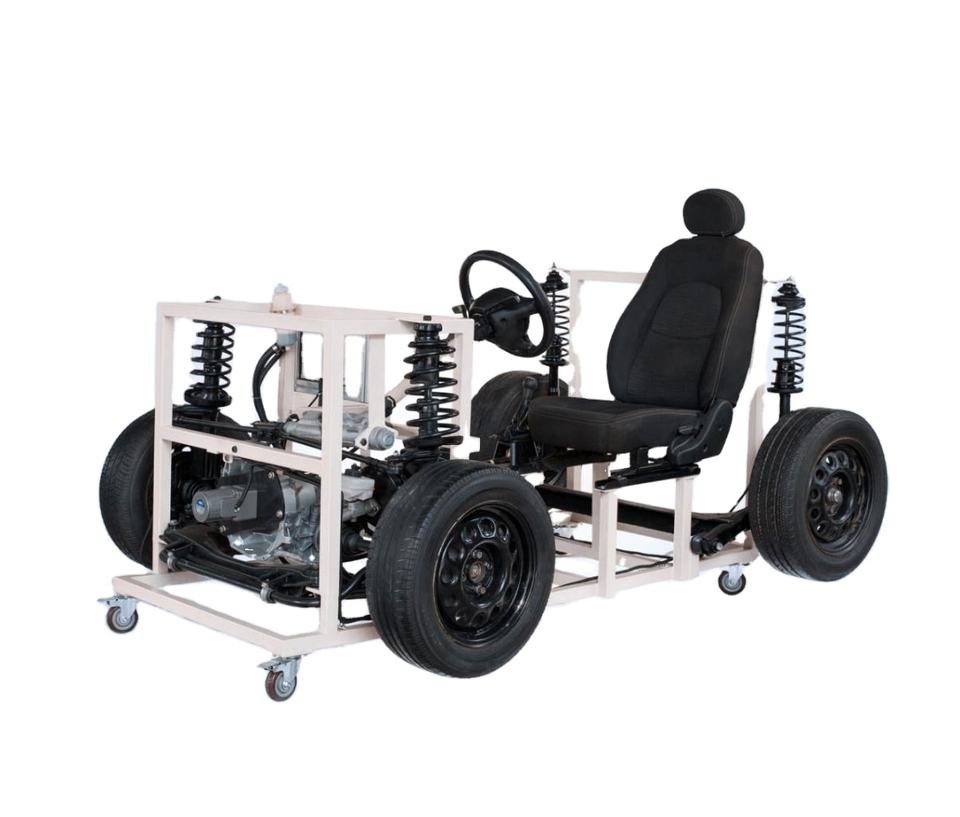
Chassis Training
For braking, steering and suspension training, consider whether students need to observe system structure, understand component relationships or perform practical exercises.
The equipment should support the actual training tasks rather than simply represent the automotive system.
Match the Equipment to the Student Level
The same equipment may not be suitable for every level of training.
For introductory courses, students may benefit from a clear layout and straightforward operation.
For advanced courses, students may need greater access to testing, diagnosis and troubleshooting.
Consider:
- Existing technical knowledge
- Course level
- Practical experience
- Complexity of the exercises
A highly complex system is not automatically a better choice if students are not expected to use most of its functions.
Define the Practical Training Tasks
This is one of the most useful steps in equipment selection.
Write down what students will actually do during the practical session.
For example:
Observation
Students mainly observe components, system structure or operating principles.
Operation
Students operate controls, switches or other system components.
Measurement
Students use appropriate measuring equipment to check system conditions.
Diagnosis
Students follow diagnostic procedures and identify system problems.
Troubleshooting
Students investigate a fault and determine the possible cause.
Once these tasks are clear, it becomes easier to identify the equipment configuration required for the course.
Choose Between Demonstration and Hands-On Training
Consider who will operate the equipment.
If the instructor performs most of the demonstration, the equipment should make the relevant components and system operation easy for students to observe.
If students work directly with the equipment, operating access, controls, measurement points and other practical functions become more important.
For group training, also consider how many students will work with one unit at the same time.
The objective is not to maximize the number of functions. It is to provide the functions required by the training activity.
Consider Student Numbers and Equipment Quantity
Equipment quantity should be considered together with the teaching method.
One unit may work well for instructor demonstrations.
A practical class with several student groups may require multiple units so that students have sufficient opportunity to operate the equipment.
When deciding quantity, consider:
- Number of students
- Class size
- Individual or group practice
- Frequency of practical sessions
- Instructor-led or student-led training
This can help avoid purchasing too few units for practical teaching or more equipment than the training program actually requires.
Check Classroom Space
Equipment dimensions should be checked before the final configuration is confirmed.
Consider not only the footprint of the equipment but also the space required for students and instructors to work around it.
Check:
- Equipment dimensions
- Student operating space
- Instructor access
- Demonstration visibility
- Position of other equipment
- Installation conditions
When several training systems are required in the same facility, the overall classroom layout becomes more important.
For larger projects, it may be more practical to plan the equipment as part of an Automotive Training Laboratory rather than selecting every unit independently.
Decide Between Standard and Custom Equipment
A standard configuration may be suitable when it already meets the training requirements.
Customization becomes relevant when the standard configuration does not fit the actual project.
Possible reasons include:
- Specific equipment dimensions
- Different component configuration
- Special training functions
- Classroom space limitations
- Requirements for a particular training program
In these cases, Custom Training Equipment can be discussed with the manufacturer.
The important question is not whether customization is available, but what requirement needs to be changed and why.
Customization should solve a specific training or installation requirement.
Consider the Total Project Requirements
Do not compare equipment only by unit price.
For a B2B training project, the overall requirement may include equipment quantity, customization, installation, documentation, testing and delivery arrangements.
The exact items will depend on the supplier and project scope, so confirm them before comparing quotations.
A lower equipment price does not necessarily mean a lower total project cost if important requirements are excluded from the quotation.
Check the Manufacturer’s Capability
If the project has specific requirements, check whether the manufacturer can support them before placing an order.
Useful information to provide includes:
- Training subjects
- Student level
- Practical exercises
- Required functions
- Quantity
- Available space
- Installation requirements
For projects that require equipment to be developed or produced according to specific specifications, OEM & ODM may also be relevant.
The manufacturer should confirm the achievable configuration before production begins.
Confirm Installation and Technical Support
For larger projects, equipment selection should also include installation and technical support requirements.
Before ordering, confirm:
- What is included with the equipment
- Installation requirements
- Operating documentation
- Technical support
- Testing and acceptance arrangements
The available support can vary between suppliers, so it should be confirmed as part of the project rather than assumed.
Confirm the Final Specification
Before production starts, both sides should have a clear understanding of the final equipment specification.
Review:
- Equipment model
- Configuration
- Main components
- Training functions
- Dimensions
- Quantity
- Customization requirements
- Installation conditions
- Documentation
- Testing and acceptance requirements
This is particularly important for customized projects.
A confirmed specification provides a common reference for production and helps reduce misunderstandings.
A Simple Automotive Training Equipment Selection Guide
Use this framework when comparing equipment:
| Training requirement | Selection direction |
| Mainly instructor demonstration | Prioritize clear system presentation and visibility |
| Student hands-on operation | Prioritize practical operating access |
| Electrical measurement | Check measurement access required by the course |
| Diagnostic practice | Check diagnostic interfaces and testing requirements |
| Multiple student groups | Consider equipment quantity and class size |
| Limited classroom space | Check dimensions and overall layout |
| Standard configuration meets the course | Consider standard equipment |
| Standard configuration does not meet the requirement | Discuss customization |
| Multiple training subjects | Plan the equipment as part of the overall training environment |
The purpose of this framework is to connect the equipment specification with the actual teaching requirement.
Conclusion
Choosing the right automotive training equipment is mainly about matching equipment to the training program.
Start with the subject and learning objectives. Then define the practical tasks, student level, teaching method and number of students.
After that, check the equipment configuration, classroom space and installation requirements. If the standard configuration does not meet the project, discuss customization before production.
For larger projects, consider the complete training environment instead of selecting every unit independently.
The best choice is not necessarily the equipment with the most features. It is the equipment that supports the training tasks your students actually need to perform.
If you already have a course plan, equipment list or classroom requirements, Discuss Your Requirements with the manufacturer before making the final selection.