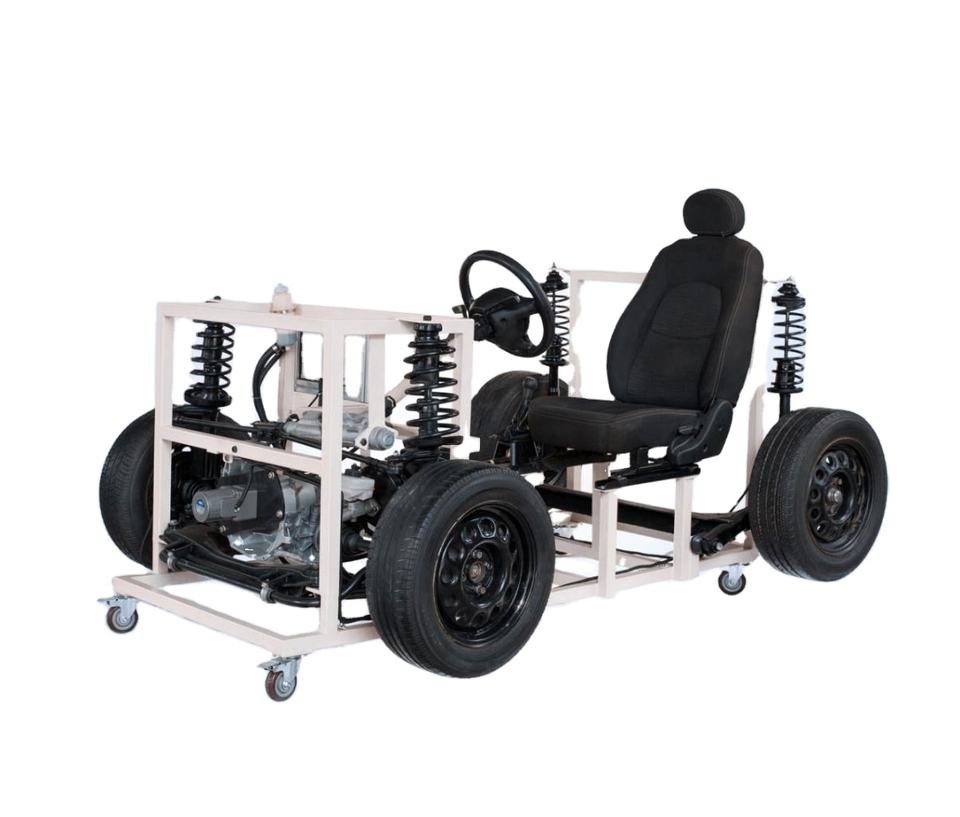
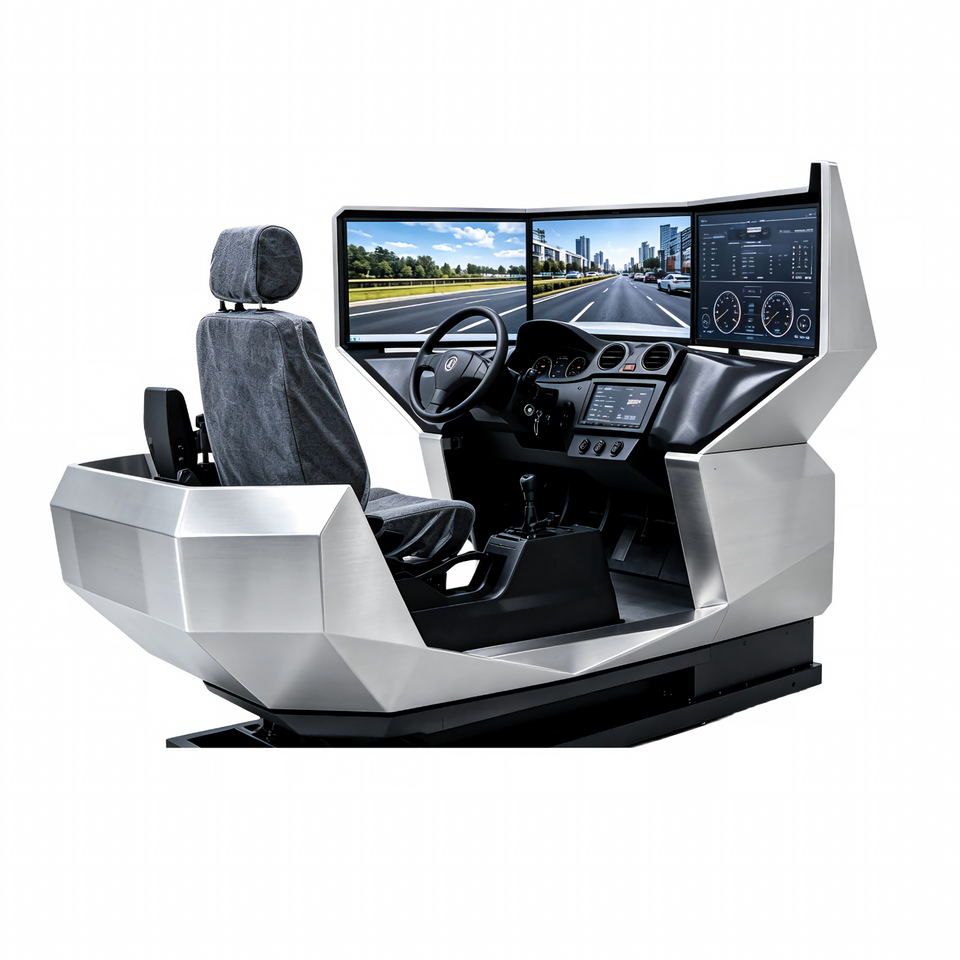
What Is an Automotive Training Laboratory?
An automotive training laboratory is a practical learning environment designed to help students understand vehicle systems through real equipment, hands-on operation, testing, diagnosis, and troubleshooting. Unlike a traditional classroom, a training laboratory combines theoretical education with practical automotive training.
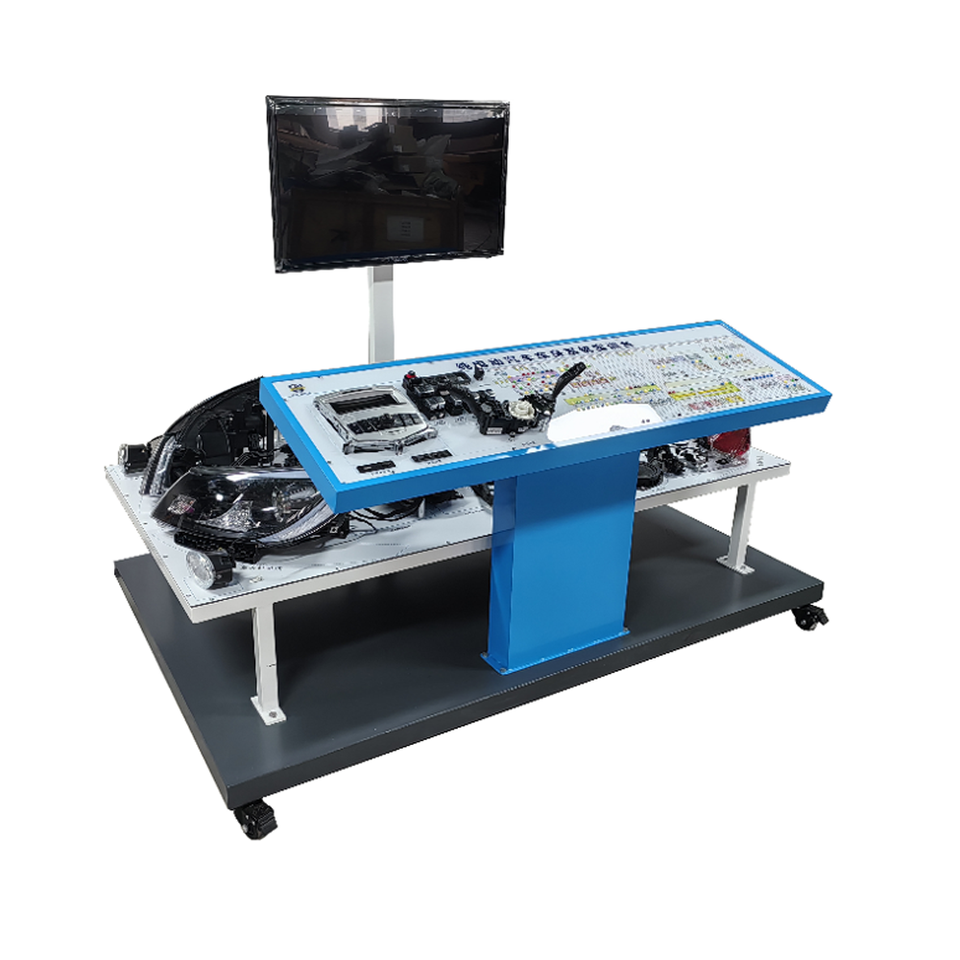
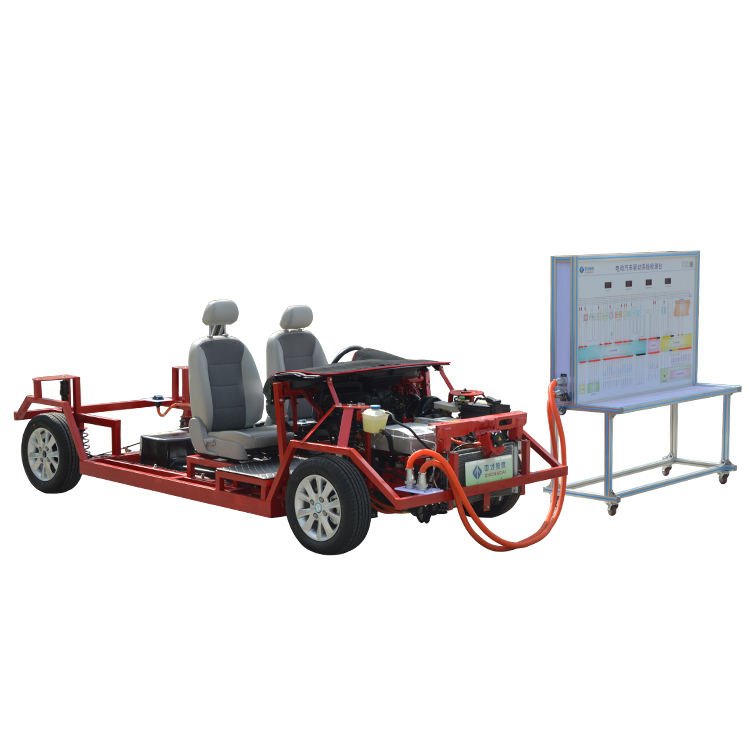
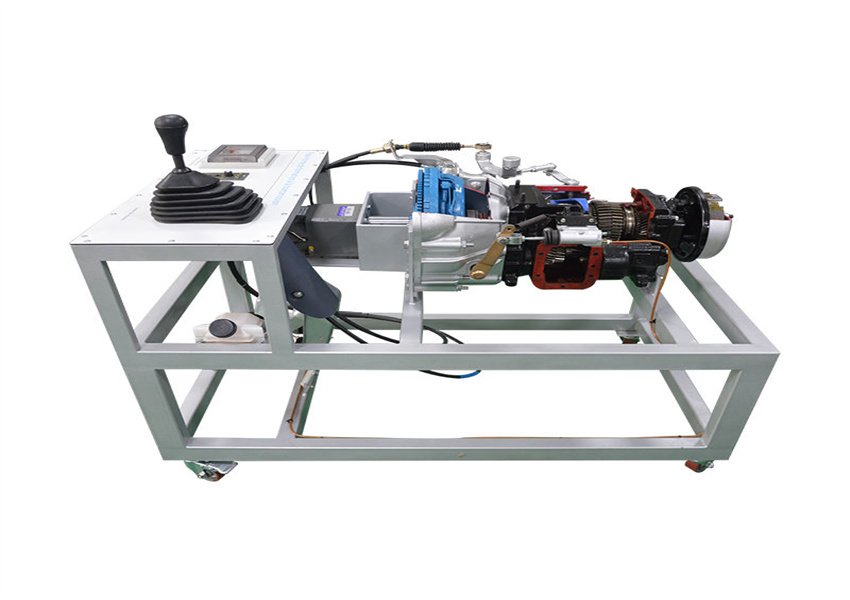
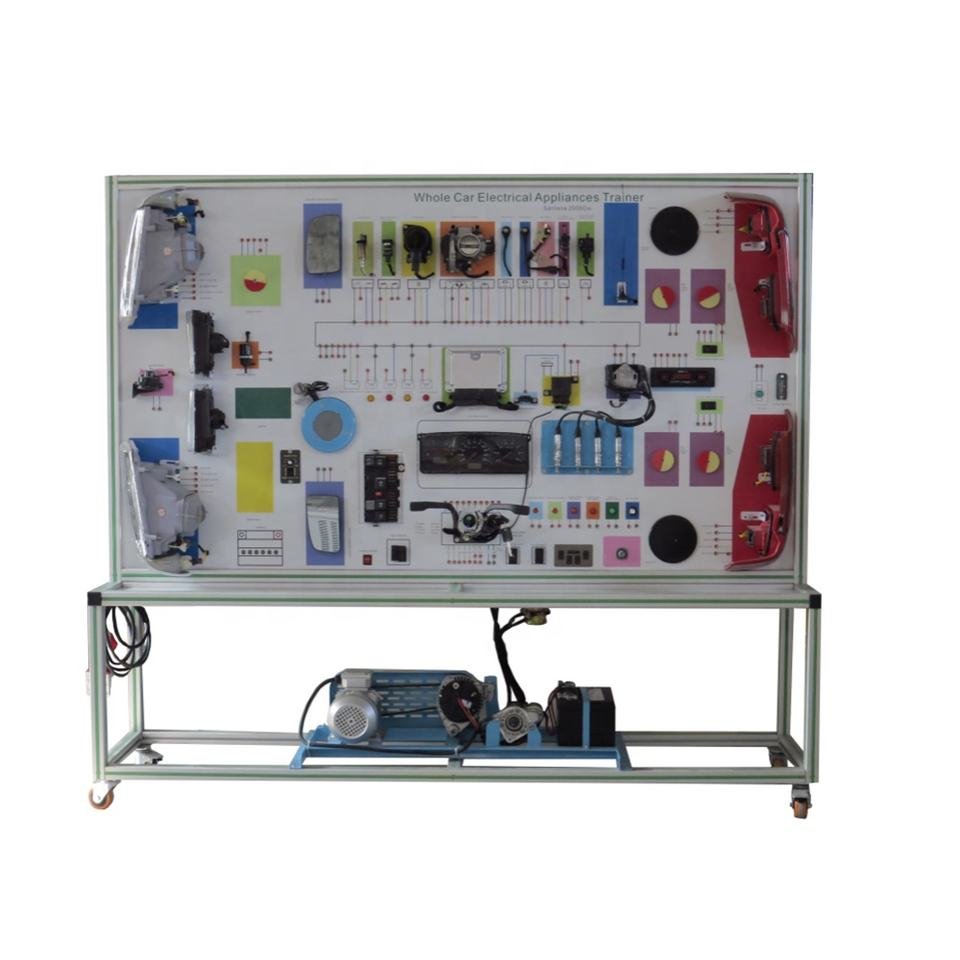
A well-designed laboratory can include engine training equipment, electrical training benches, diagnostic training systems, EV training equipment, chassis training equipment, teaching software, technical documents, and other supporting systems. The exact configuration should depend on the curriculum, student level, available space, and training objectives.
Start With Your Training Objectives
The first step in building an automotive training laboratory is to determine what students need to learn. A laboratory designed for basic automotive maintenance will have different equipment requirements from one designed for advanced diagnostics or new energy vehicle technology.
If the main focus is engine maintenance, engine training benches and engine fault diagnosis trainers can become the core equipment. If the curriculum focuses on automotive electronics, electrical training benches, sensor systems, starting and charging systems, and diagnostic equipment may be more appropriate.
For schools developing EV programs, the laboratory may need to include battery training systems, motor and controller trainers, charging systems, and other equipment related to new energy vehicles.
Plan the Laboratory Around Vehicle Systems
A complete automotive training laboratory should be organized around the vehicle systems taught in the curriculum. Engine systems, electrical systems, diagnostic systems, chassis systems, and EV systems can each form an important part of the training environment.
This approach allows students to gradually move from understanding individual components to understanding how different systems work together. It also makes it easier for instructors to organize practical lessons around specific automotive technologies.
Choose Equipment for Practical Learning
The purpose of an automotive training laboratory is not simply to display equipment. Students should be able to operate the equipment and perform meaningful practical exercises.
Operational engine training equipment can allow students to observe starting, idling, acceleration, and electronic control. Electrical training equipment can provide access to circuits, sensors, test terminals, and measurement points. Diagnostic training systems can help students understand vehicle communication and fault diagnosis.
The more closely the equipment reflects real automotive systems, the easier it is for students to connect classroom theory with practical automotive work.
Include Fault Simulation Training
Fault simulation can make an automotive training laboratory more useful for diagnostic education. Real vehicle faults are not always suitable for classroom training because they can be difficult to reproduce consistently and may involve safety or equipment risks.
A training system with controlled fault simulation allows instructors to create specific training scenarios. Students can investigate symptoms, perform measurements, use diagnostic tools, and practice troubleshooting procedures in a controlled environment.
This type of training can help students develop diagnostic thinking rather than simply memorizing repair procedures.
Consider Laboratory Space and Equipment Layout
Laboratory space should be considered before equipment is selected. Large training equipment needs sufficient operating space, while students and instructors also need enough room to move around the equipment safely.
Equipment dimensions, power requirements, ventilation, storage, cable management, and student capacity should be considered during the planning stage. Mobile training benches can also provide greater flexibility when classrooms are used for different training programs.
For larger projects, the laboratory layout can be planned around different training zones so that students can study engine, electrical, diagnostic, chassis, and EV technologies in an organized environment.
Add Teaching Software and Technical Materials
Physical equipment is only one part of an effective training laboratory. Teaching software, user manuals, circuit diagrams, instructional videos, and training guides can make practical equipment easier to use.
Digital teaching materials can also help instructors explain system structures and operating principles before students begin hands-on exercises. Combining physical training equipment with supporting educational resources can create a more complete teaching process.
Think About Safety From the Beginning
Safety should be considered during laboratory planning rather than added after installation. Engine training equipment may involve moving components, high temperatures, fuel systems, and electrical systems. EV training equipment can involve high-voltage electrical systems that require additional safety considerations.
Protective structures, emergency controls, clear operating instructions, suitable laboratory layouts, and proper training procedures can help create a safer learning environment.
Consider Future Training Requirements
Automotive technology continues to change, particularly in vehicle electronics, diagnostics, electric vehicles, and intelligent vehicle systems. A laboratory designed only for current requirements may become limited as the curriculum develops.
When planning a new laboratory, it is useful to consider whether additional training equipment can be added in the future. A modular approach can allow schools and training centers to expand their laboratory gradually as new courses and technologies are introduced.
Custom Training Laboratory Solutions
Not every school has the same laboratory space, curriculum, student capacity, or equipment requirements. Standard products may therefore not always provide the most suitable solution.
Custom training equipment can be developed according to specific requirements such as equipment size, structure, appearance, control panels, functions, and training scenarios. OEM and ODM services can also be used when a school or training institution needs a specialized training platform.
A customized laboratory solution can help connect the equipment configuration with the actual teaching program instead of purchasing unrelated equipment separately.
Choose a Manufacturer With Technical Support
Building an automotive training laboratory involves more than purchasing equipment. Installation, commissioning, technical documentation, training, software support, and after-sales service can all affect the success of the project.
Working with a manufacturer that provides technical support can make the process easier. Installation guidance, user manuals, training videos, remote technical support, and technician assistance can help instructors use the equipment more effectively after delivery.
Build a Laboratory Around Real Training Needs
A successful automotive training laboratory does not need to contain every type of automotive equipment. The most effective solution is one that matches the curriculum, student requirements, available space, and future development plans.
By connecting practical training equipment with teaching materials, diagnostic functions, fault simulation, technical support, and appropriate safety measures, schools and training institutions can create a more complete environment for automotive education.
Conclusion
Building an automotive training laboratory is a long-term educational investment. The right combination of engine, electrical, diagnostic, chassis, and EV training equipment can provide students with a practical environment for learning modern automotive technology.
Whether you are setting up a new laboratory, upgrading an existing training center, or developing a specialized automotive education program, a carefully planned equipment solution can help create a more practical, flexible, and effective training environment.