Why Choosing the Right Training Equipment Matters
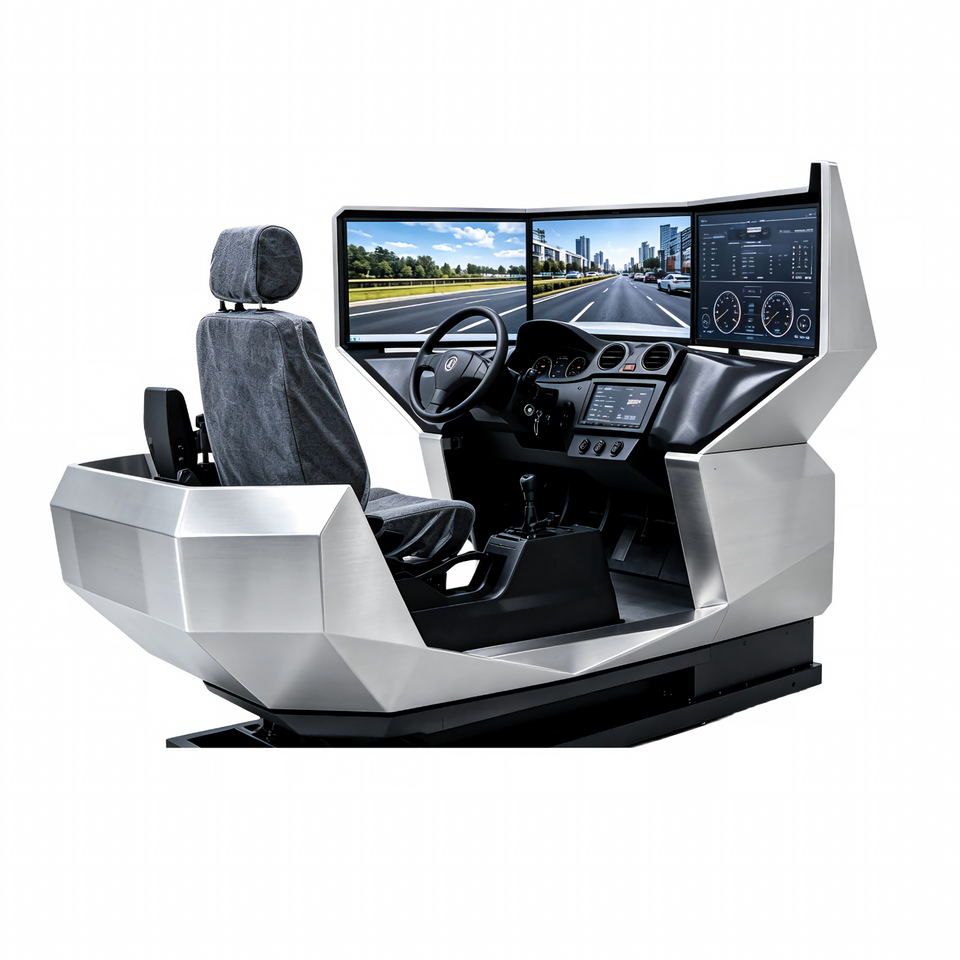
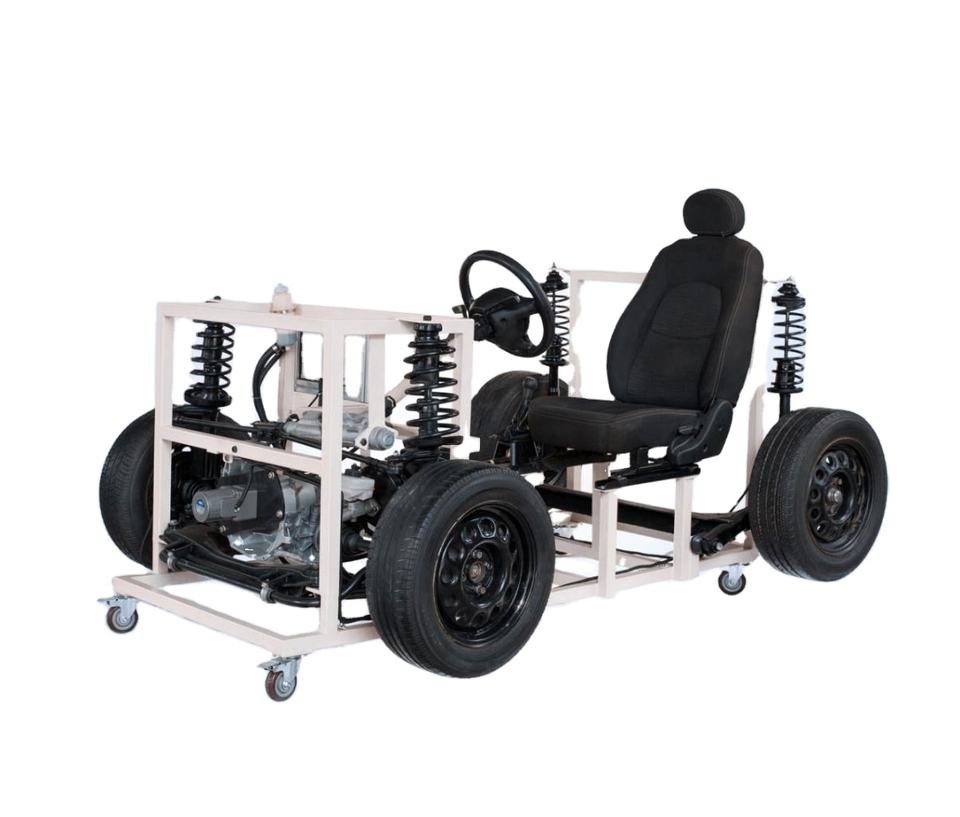
Choosing the right automotive training equipment is important for vocational schools, universities, training centers, and automotive companies. The right equipment should not only demonstrate automotive structures and working principles but also provide students with meaningful opportunities for practical operation, diagnosis, and troubleshooting. Before purchasing, it is important to consider the training objectives, vehicle systems, equipment functions, laboratory space, and long-term teaching requirements.
Start With Your Training Program
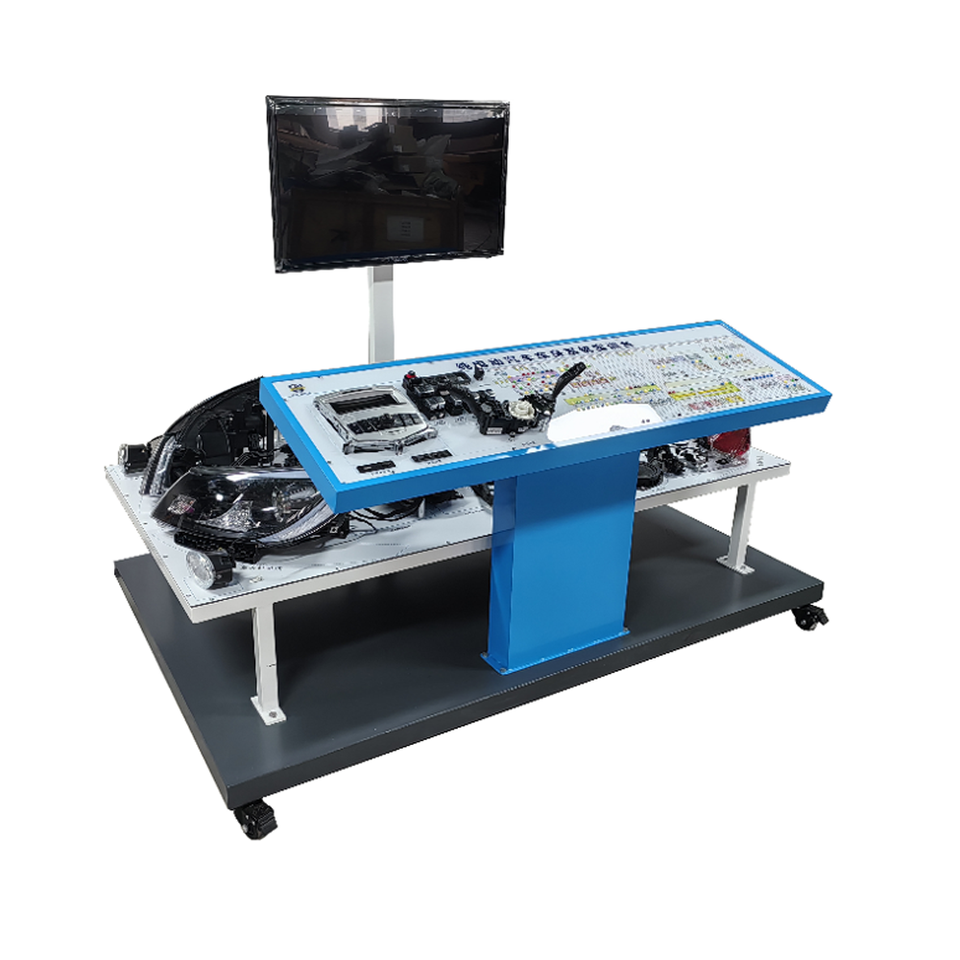
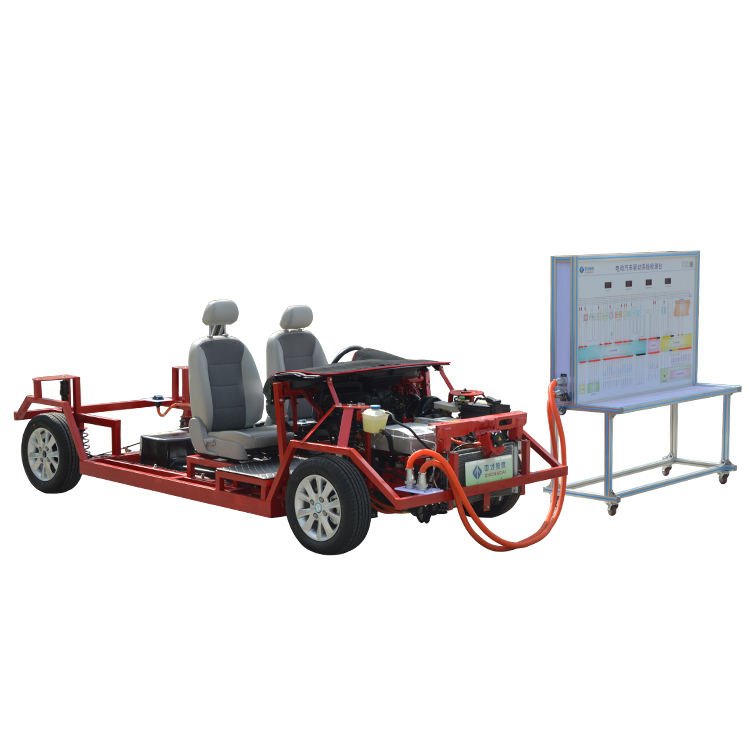
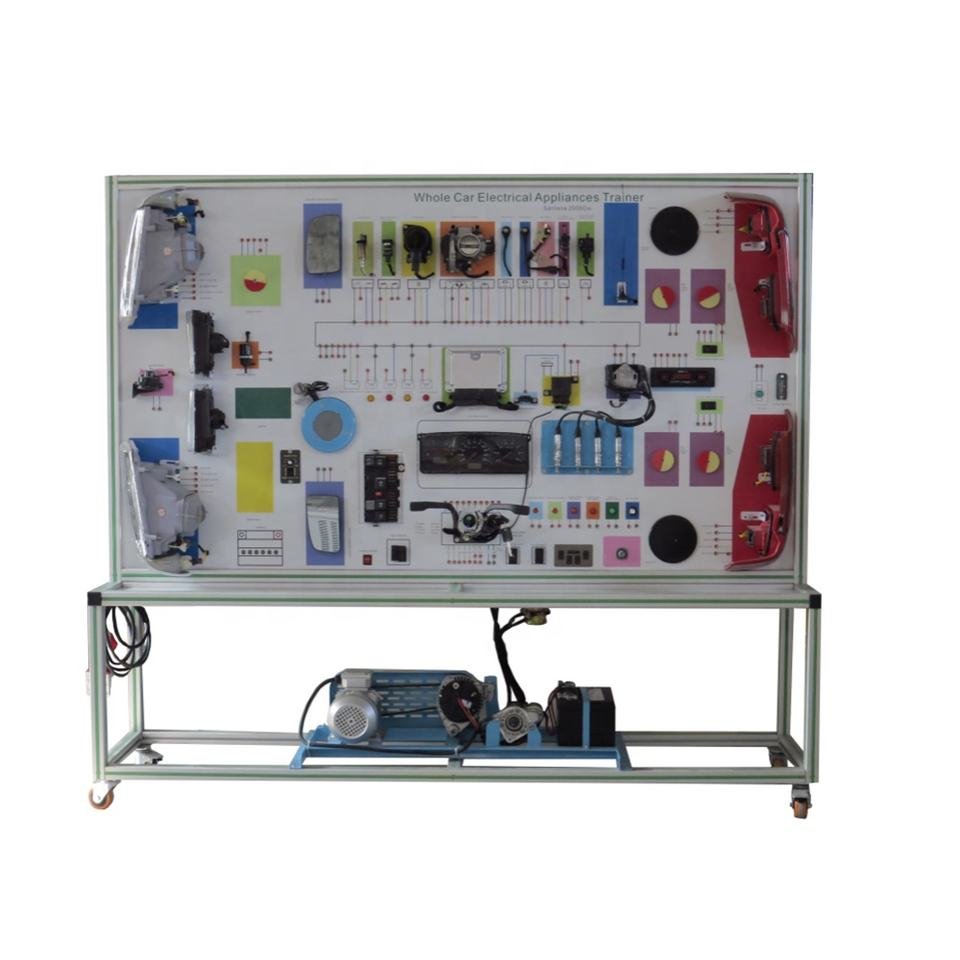
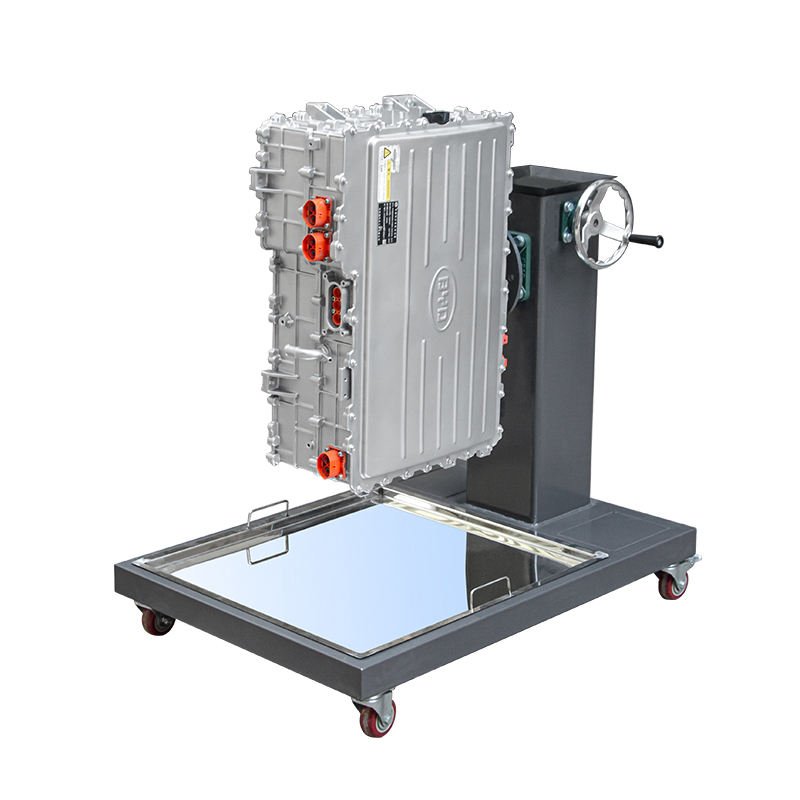
The first step is to clearly define what students need to learn. Different training programs require different equipment. Engine training may focus on engine structure, starting, idling, acceleration, electronic fuel injection, and engine diagnosis. Electrical training may require equipment for circuits, sensors, lighting, starting, and charging systems. Diagnostic training focuses more on ECU diagnosis, OBD communication, CAN Bus systems, fault simulation, and troubleshooting. For new energy vehicle programs, battery systems, motors, controllers, and high-voltage technology become important training subjects.
Therefore, equipment should be selected according to the actual curriculum and practical training objectives rather than simply choosing equipment with more functions.
Consider Practical Training Functions
Practical operation is an important factor when selecting automotive training equipment. A good training system should allow students to observe real components and understand how different automotive systems work under actual operating conditions.
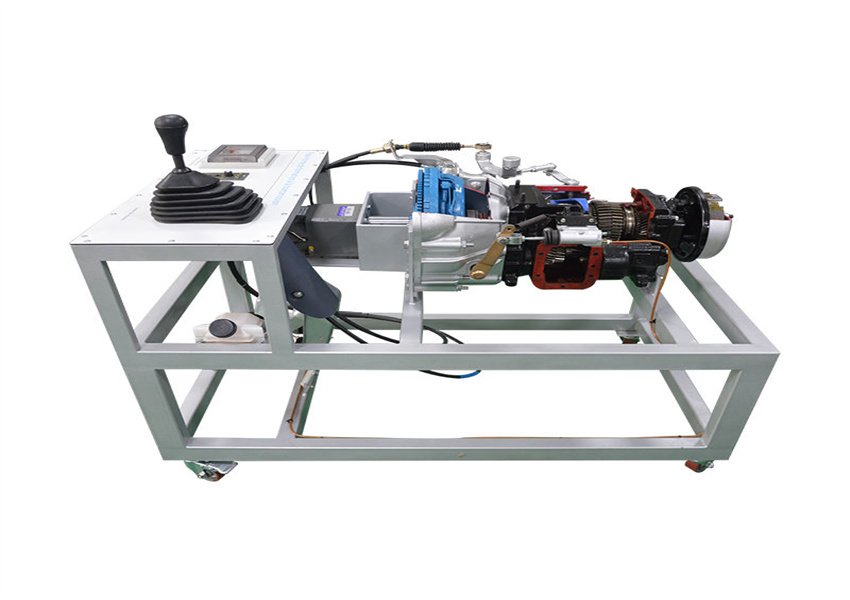
Equipment with operational engines, visible components, measurement points, diagnostic interfaces, and practical operating controls can create a more realistic learning environment. This allows students to move from theoretical learning to hands-on training and better understand the relationship between automotive components and system operation.
Look for Fault Simulation and Diagnosis Functions
Fault simulation is especially valuable for automotive diagnostic training. Students need to understand not only how a system operates normally but also how to identify and troubleshoot common faults.
Training equipment with controlled fault-setting functions allows instructors to create practical diagnostic exercises. Students can analyze symptoms, check relevant systems, use diagnostic interfaces, and practice troubleshooting in a controlled training environment. This type of training can help develop practical diagnostic skills before students work on real vehicles.
Match the Equipment to Your Training Space
The physical training environment should also be considered before purchasing equipment. Different schools and training centers have different laboratory sizes, classroom layouts, power requirements, and student numbers.
Equipment dimensions, mobility, operating space, power supply, and storage should match the available laboratory conditions. For larger training programs, several types of equipment can also be combined to create a complete automotive training laboratory.
Consider Equipment Quality and Safety
Training equipment is often used repeatedly by instructors and students, so quality and safety are important for long-term operation. A training platform should use reliable components and provide clear operating instructions, circuit diagrams, diagnostic interfaces, and appropriate safety protection.
For equipment involving engines, rotating components, high temperatures, fuel systems, or high-voltage EV systems, protective structures and proper operating procedures should receive particular attention.
When Should You Consider Custom Equipment?
Standard training equipment may not always match every school’s curriculum or laboratory requirements. Customization can be useful when specific dimensions, structures, appearances, control panels, or training functions are required.
OEM and ODM services can help adapt automotive training equipment to a specific curriculum, laboratory layout, or training program. Custom solutions are particularly useful for schools building new automotive laboratories and automotive companies developing specialized technical training programs.
Check Technical Support Before Purchasing
Technical support is another important factor that should be evaluated before purchasing. Automotive training equipment is used by teachers and students, so clear manuals, instructional videos, software support, installation guidance, and remote technical assistance can make the equipment easier to operate.
For larger projects, professional installation and technician guidance can also help schools complete equipment setup and training more efficiently.
Evaluate the Manufacturer, Not Just the Product
For B2B buyers, the manufacturer is just as important as the equipment itself. A manufacturer with R&D and production capabilities can usually provide better control over product configuration, customization, quality inspection, and technical support.
When comparing suppliers, it is useful to consider their manufacturing experience, quality control process, certifications, production capability, customization services, and after-sales support. These factors can have a significant impact on the long-term use of training equipment.
Consider the Total Project Cost
The lowest unit price does not always mean the lowest overall cost. When planning an automotive training project, equipment functions, durability, customization, technical support, packaging, shipping, and future expansion should all be considered.
A suitable solution should provide the functions required for the curriculum while remaining practical for the available budget and training environment. Evaluating the complete project cost can help schools and training institutions avoid unnecessary purchases.
Choose Equipment Based on Your Real Training Needs
The best automotive training equipment is not necessarily the most complex or expensive option. It is the equipment that matches your teaching objectives, provides meaningful practical experience, fits your laboratory environment, and can receive reliable technical support throughout its service life.
By evaluating the training program, practical functions, laboratory requirements, safety, customization, manufacturer capabilities, and total project cost, schools, training centers, and automotive organizations can make more confident purchasing decisions and build a more effective automotive training environment.