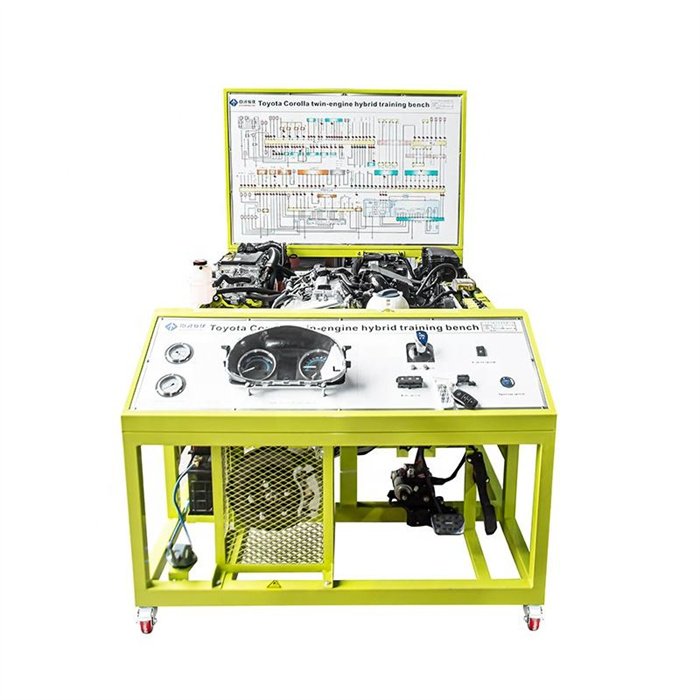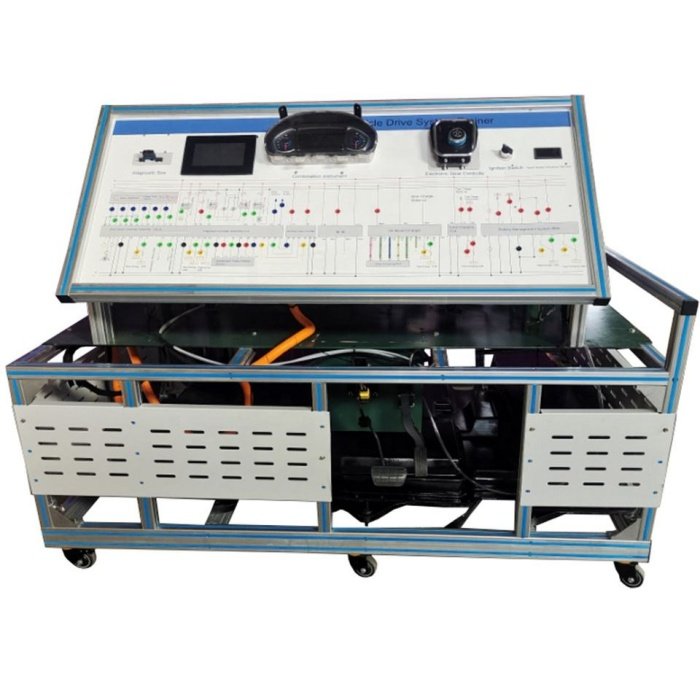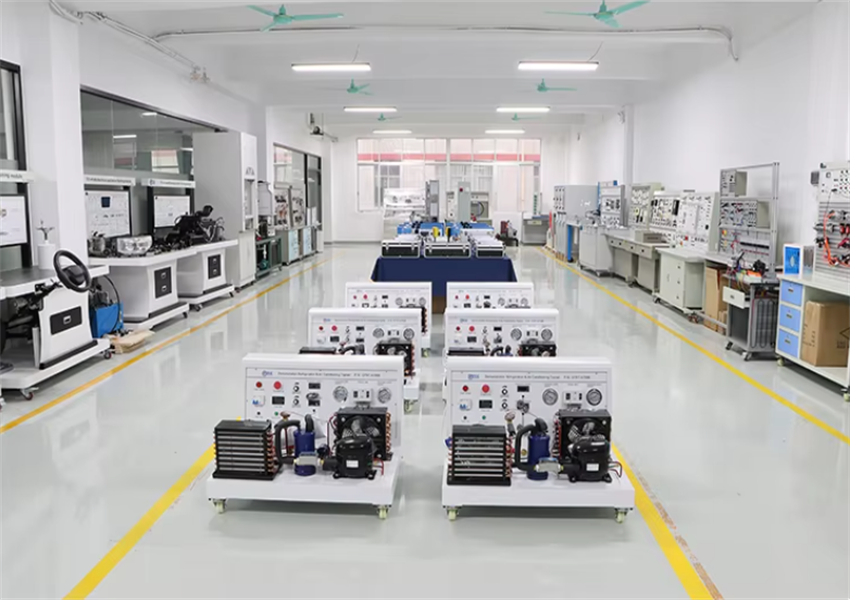
Automotive Brake System Trainer
The Automotive Brake System Trainer is a practical training system for studying automotive brake structure, braking force transmission, hydraulic or pneumatic braking principles, brake control systems, ABS operation, measurement, adjustment, and fault diagnosis. Depending on the selected configuration, it can provide accessible brake components, operating mechanisms, test points, and control interfaces for hands-on training.
Reference Price: approx. US$2,956–3,941 / unit
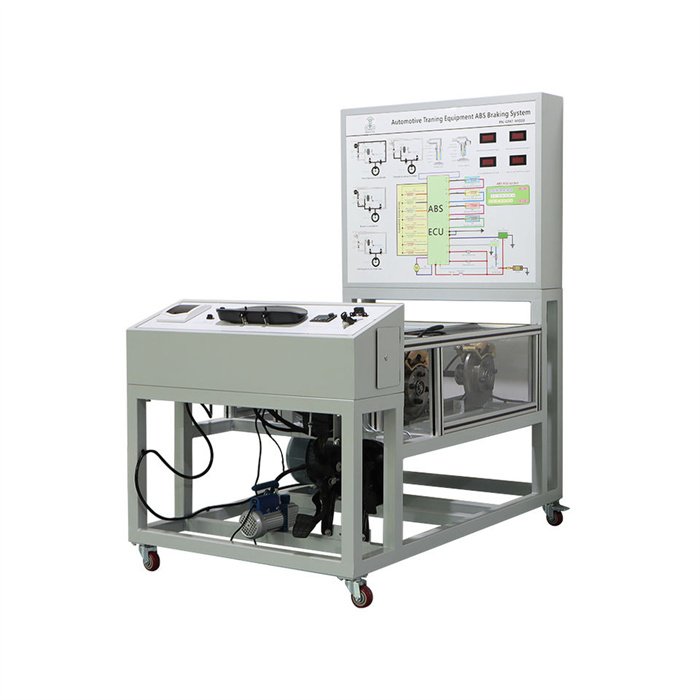
Automotive Brake System Trainer Types
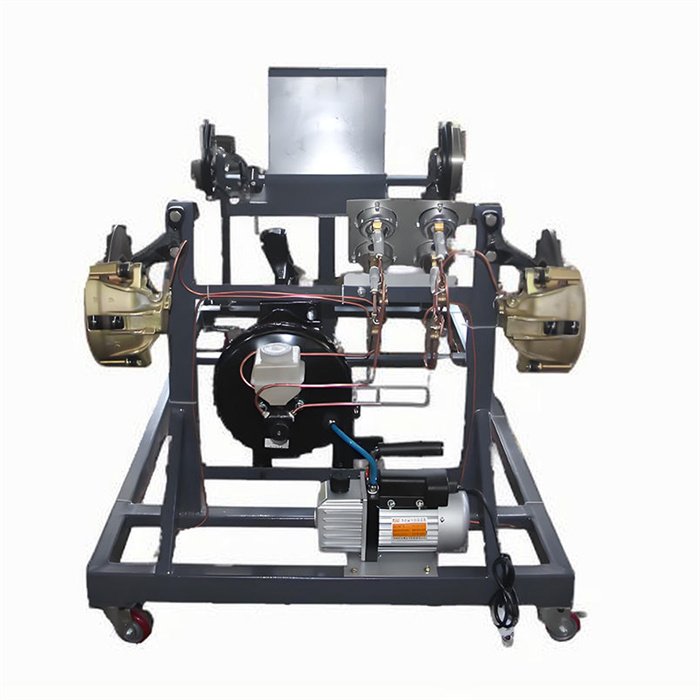
Hydraulic Brake System Trainer
Focuses on hydraulic braking circuits, brake force transmission, master cylinder operation, brake actuators, and related mechanical components.
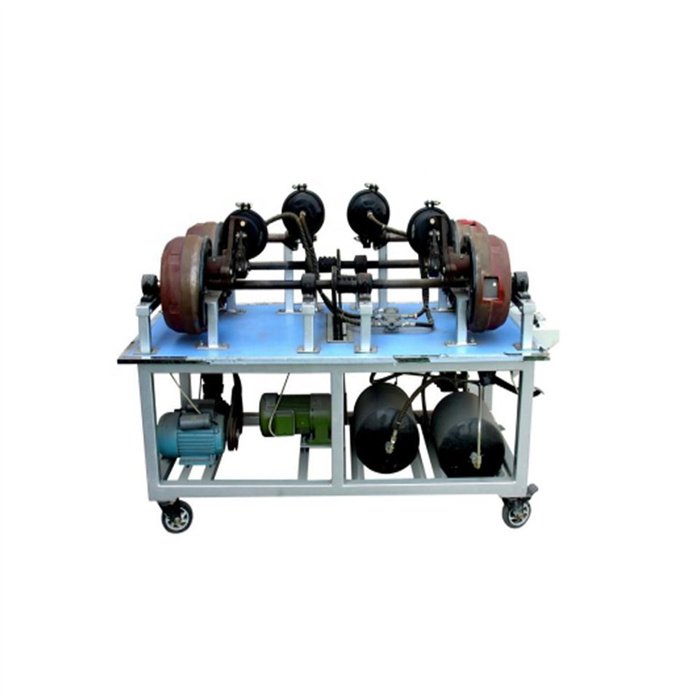
Pneumatic Brake System Trainer
Used to study compressed-air braking circuits, pneumatic control components, pressure transmission, and braking operation where applicable.
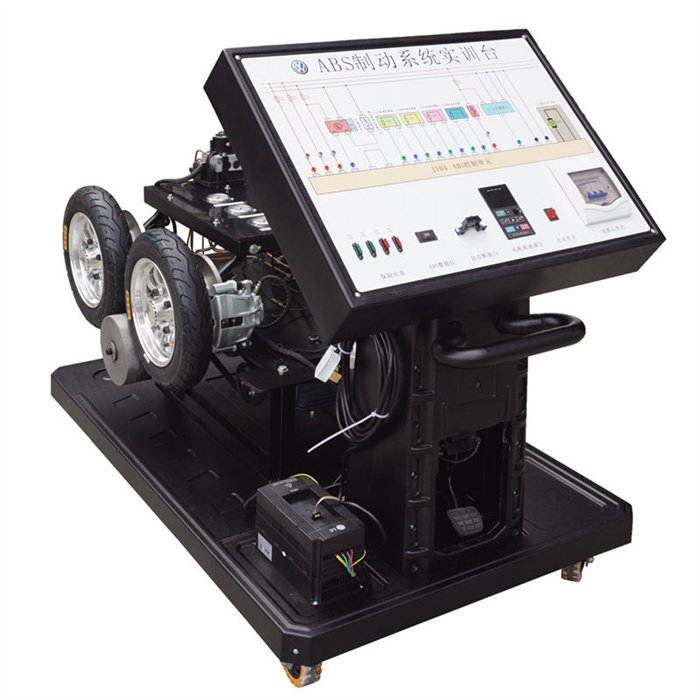
ABS Brake System Trainer
Focuses on anti-lock braking principles, wheel-speed sensing, brake pressure control, and ABS control logic according to the selected system.
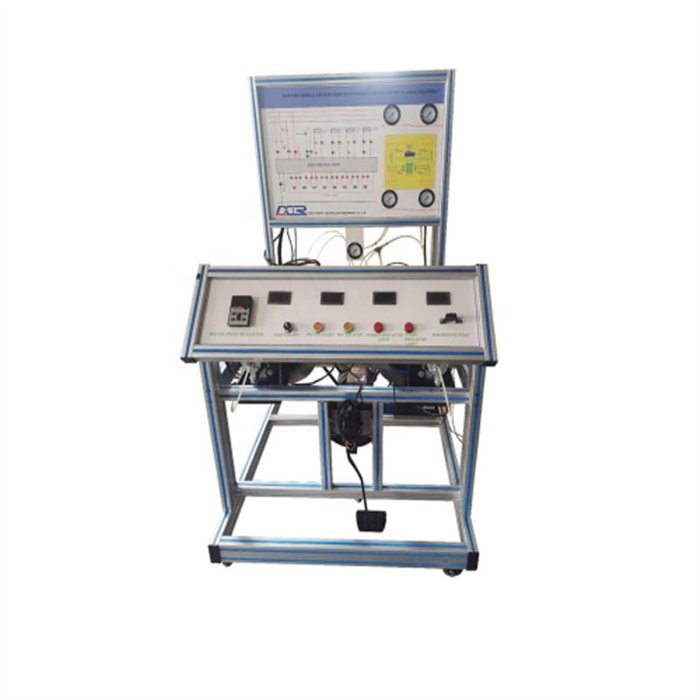
Brake Electrical & Electronic Trainer
Adds electronic brake-control components, sensors, actuators, wiring, and measurement interfaces for electrical and control-system training.
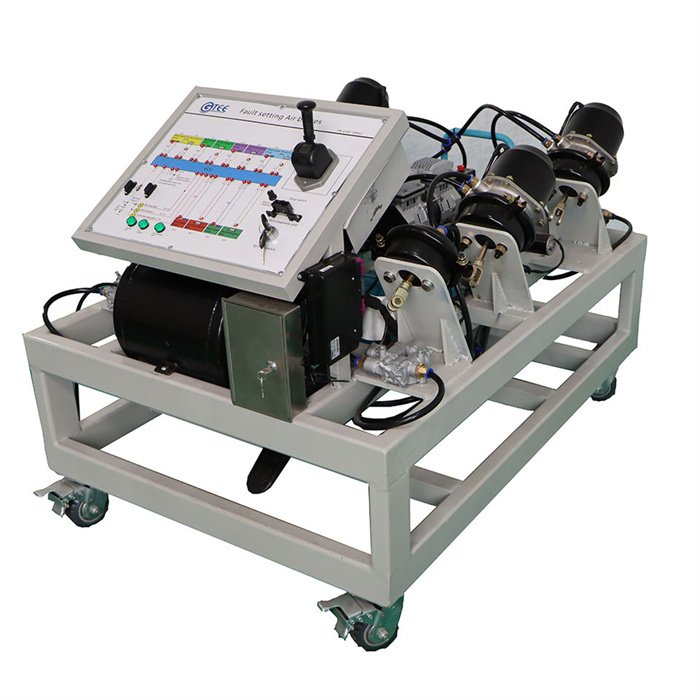
Brake Fault Diagnosis Trainer
Includes selected fault conditions, test points, or diagnostic interfaces for structured troubleshooting training.
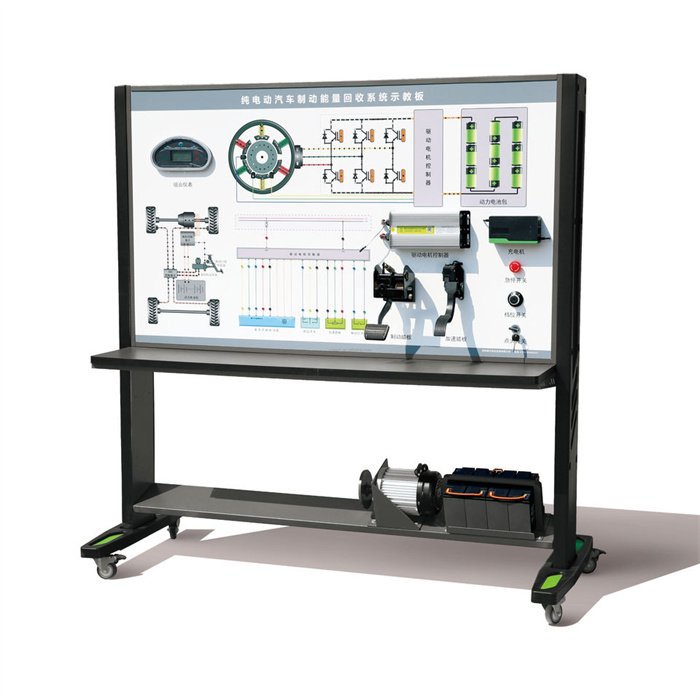
Integrated Brake System Trainer
Combines mechanical braking, hydraulic/pneumatic circuits, electronic control, ABS, measurement, and diagnostic functions according to configuration.
Automotive Brake System Trainer Training Functions
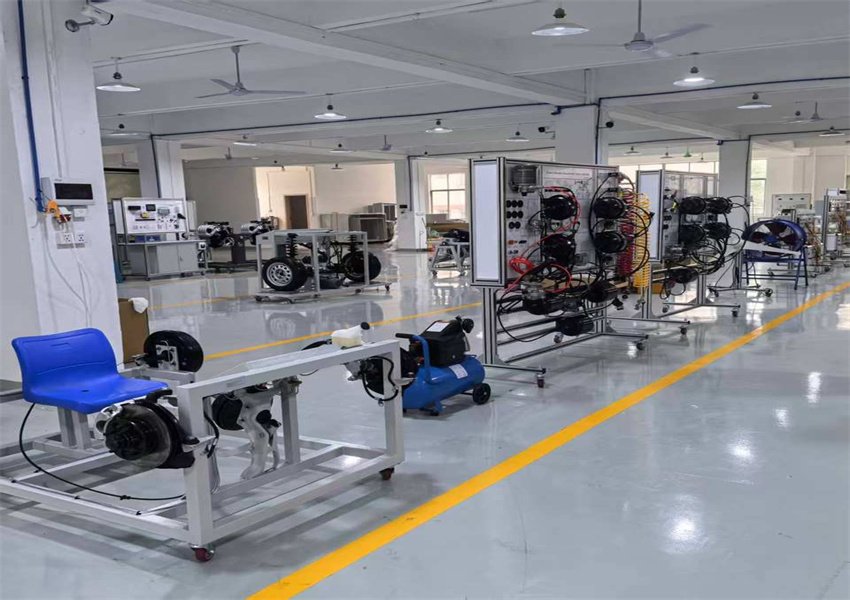
1. Brake Structure & Force Transmission: Identify major brake components and study how brake input is transferred through the mechanical and hydraulic/pneumatic system to generate braking force.
2. Hydraulic or Pneumatic Brake System Analysis: Where applicable, analyze pressure generation, transmission, and control within the selected braking circuit and relate pressure changes to braking operation.
3. Brake Mechanism Operation & Adjustment: Operate designated brake mechanisms and perform selected adjustment or inspection tasks to understand the relationship between component condition and braking performance.
4. ABS & Electronic Brake Control: Where included, study wheel-speed sensing, electronic brake control, pressure modulation, and the operating logic of ABS or other selected brake-control systems.
5. Measurement & Signal Testing: Use designated test points to measure selected pressure, voltage, resistance, continuity, wheel-speed signals, or other system parameters according to the configuration.
6. Fault Diagnosis & Troubleshooting: Where fault-training functions are included, students can trace selected braking faults through symptoms, measurements, circuit or pressure checks, and diagnostic information to develop a structured troubleshooting process.
How to Choose an Automotive Brake System Trainer
1. Match the Brake System to the Curriculum: First determine whether the course focuses on basic brake mechanisms, hydraulic/pneumatic systems, ABS, electronic brake control, or integrated diagnosis.
2. Define the Required Practical Tasks: Confirm whether students need to identify components, operate mechanisms, observe pressure changes, measure electrical signals, analyze ABS operation, or perform fault diagnosis.
3. Check Measurement & Test-Point Access: If measurement is an important part of the course, verify that the selected configuration provides practical access to the required pressure points, electrical circuits, sensors, or control signals.
4. Consider Mechanical vs. Electronic Training Depth: A mechanical brake trainer is sufficient for structure and force-transmission training, while ABS/electronic configurations are more appropriate when the curriculum includes modern vehicle brake control.
5. Match the Trainer to Student Level: Basic configurations are appropriate for component identification and operating principles, while advanced configurations can support measurement, control-system analysis, and troubleshooting.
6. Plan for Laboratory Integration: For larger training projects, consider coordinating brake training with chassis, steering, suspension, diagnostic, electrical, and EV training equipment.
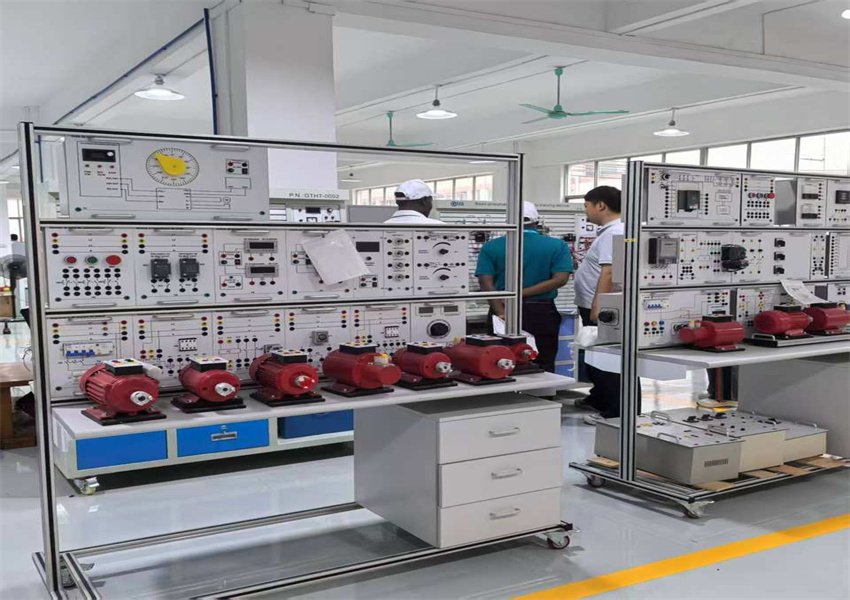
Custom Automotive Brake System Trainer Solutions
HS provides Custom Training Equipment for specified brake systems, components, training functions, measurement interfaces, structural layouts, and teaching requirements. Final configuration, quotation, and delivery schedule are confirmed after technical review and design approval.

Brake System & Component Configuration
Configure the required hydraulic, pneumatic, mechanical, ABS, or electronic brake components according to the training objective.
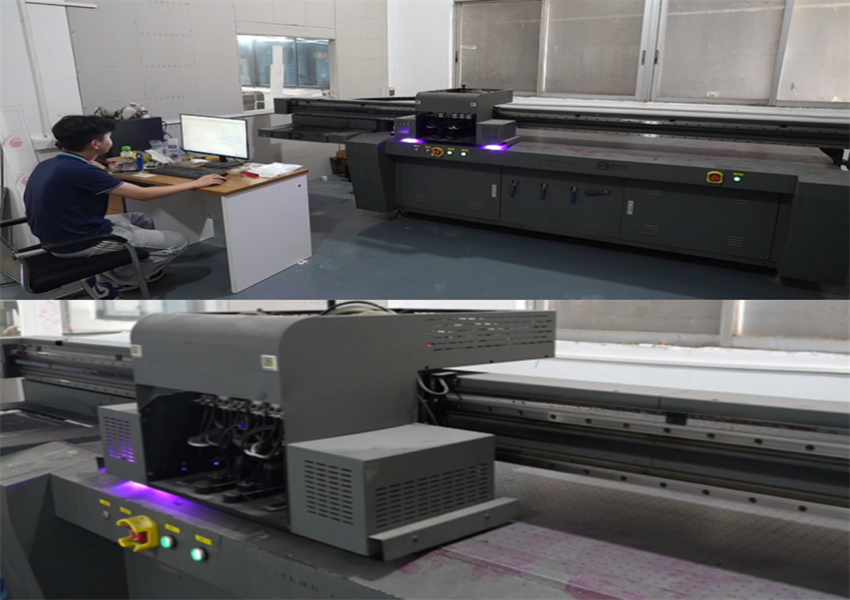
Practical Training Function Customization
Add or modify component operation, pressure demonstration, measurement, adjustment, ABS simulation, or fault-training functions where required.
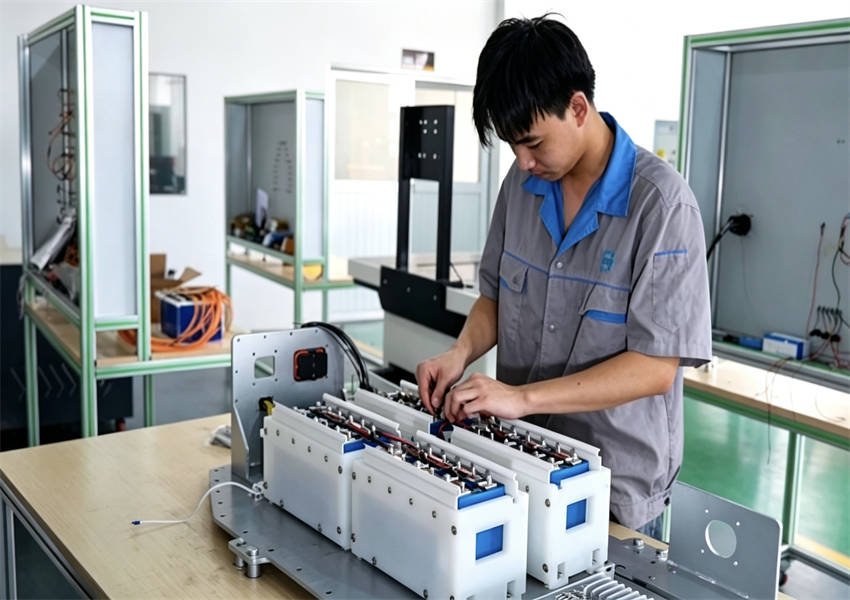
Measurement & Diagnostic Interface Configuration
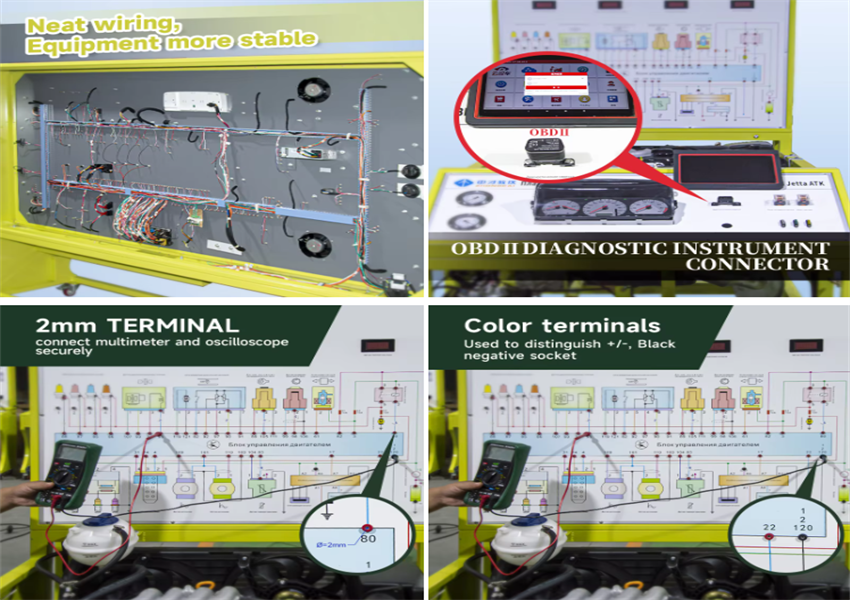
Configure specified pressure test points, electrical measurement points, sensor interfaces, diagnostic connections, or other practical test access.
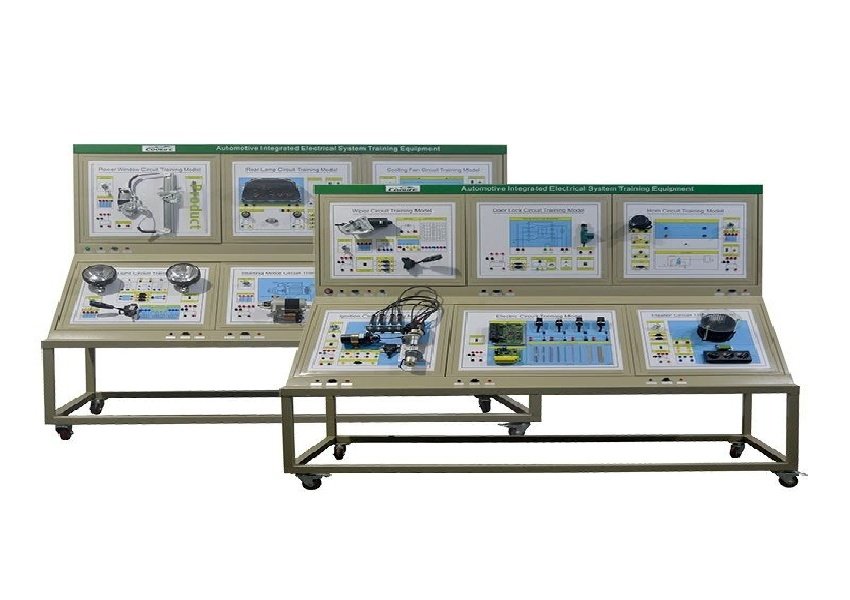
Structure, Layout & Working Configuration
Customize the training frame, component arrangement, working height, operation position, and visual teaching layout according to the project.
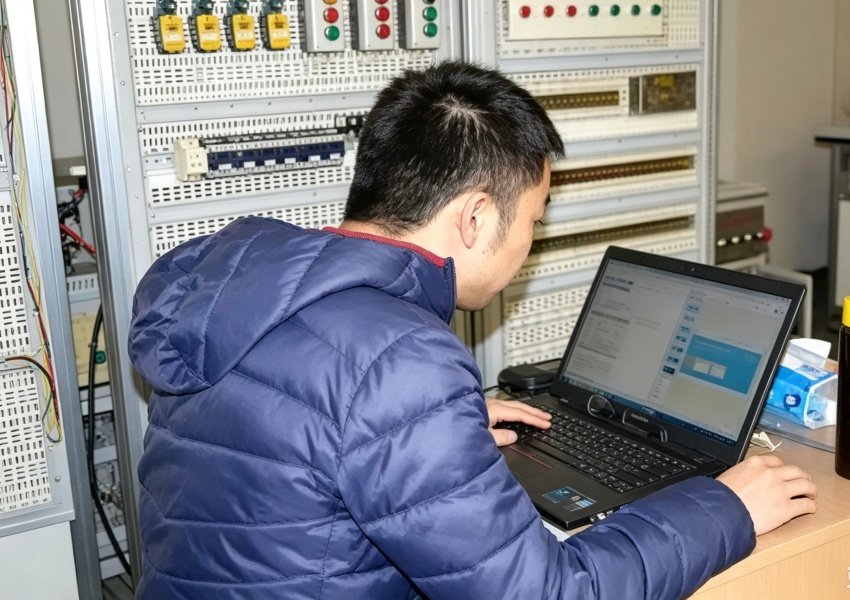
OEM/ODM Product Development
Support product design, HS/OEM branding, panel graphics, language, manuals, packaging, and multi-unit laboratory or project planning.
Project Implementation & Technical Support
Provide installation guidance, operator training, technical/software support where applicable, and project-specific spare-parts arrangements according to confirmed requirements.
Quality Control & Performance Testing
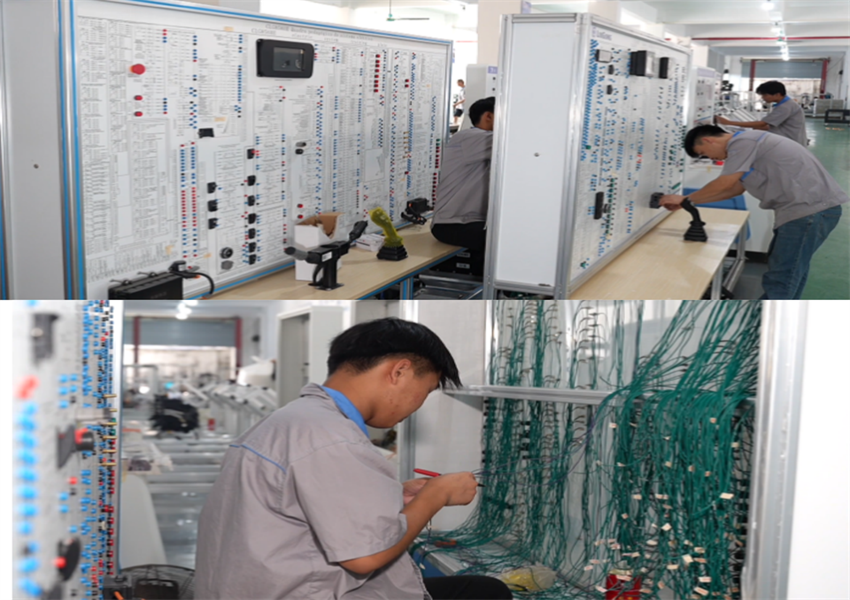
After assembly, the Automotive Brake System Trainer undergoes structured quality control and performance testing before shipment. The checks focus on whether the completed equipment meets the approved configuration, performs the specified training functions, and is ready for safe operation.
1. Structural & Assembly Verification: Check frame stability, component mounting, mechanical connections, hydraulic or pneumatic connections, and overall assembly condition to identify loose, misaligned, or improperly installed components.
2. Brake System Function Testing: Verify the specified braking mechanisms, pressure transmission, brake-force operation, and system response according to the selected training configuration.
3. Hydraulic/Pneumatic System Verification: Where applicable, check pressure generation, circuit connections, pressure transmission, and operating conditions of the selected hydraulic or pneumatic braking circuit.
4. Electrical & Electronic Function Testing: Where included, verify sensors, actuators, wiring, control interfaces, ABS functions, and selected electrical signals to confirm that the configured electrical and electronic training functions operate as specified.
5. Safety & Operating Verification: Check operating mechanisms, pressure-related components, electrical interfaces, exposed moving parts, and relevant safety conditions before shipment.
6. Final Configuration Verification: Confirm that the completed Automotive Brake System Trainer matches the approved technical specifications, order requirements, functional checklist, and selected training configuration before shipment.
Automotive Brake System Trainer Price, Lead Time & Delivery
Price
The reference price is approximately US$2,956–3,941 / unit. The final quotation depends on the selected brake system, hydraulic/pneumatic configuration, ABS or electronic control functions, measurement and diagnostic interfaces, trainer structure, customization level, and order quantity.
Lead Time
Standard configuration: 20–25 working days. Custom configuration: 30–45 working days. Production starts after the technical requirements, configuration, and order details are confirmed. For custom projects, the final schedule is confirmed after technical review and design approval.
Pre-Shipment Inspection
The equipment is pre-assembled and functionally checked according to the confirmed configuration, including brake components, hydraulic/pneumatic circuits where applicable, electrical interfaces, control functions, measurement points, and selected training functions. Test records can be provided upon request where applicable.
Shipping & Delivery
Export protective packaging and wooden-crate packaging are used where required. Typical sea freight transit times are 7–15 days to Asia, 20–35 days to the Middle East & Africa, 25–40 days to Europe, and 30–50 days to South America. Air freight can be used when shorter transportation time is required; express delivery may be considered for smaller or suitable shipments. Actual delivery depends on destination, shipping method, equipment dimensions, customs clearance, and carrier schedule.
Installation & Technical Support
Support requirements depend on the selected configuration. Manuals, training materials, videos, and technical support can be provided according to the project. For customized or multi-unit laboratory projects, installation guidance, training, and additional support scope can be confirmed before shipment.
Send Your Inquiry Today
FAQ About Automotive Brake System Trainer
1. What can students learn with the Automotive Brake System Trainer?
Students can study brake structure, force transmission, hydraulic or pneumatic braking principles, brake control, ABS operation, measurement, adjustment, and fault diagnosis according to the selected configuration.
2. Can the trainer demonstrate the actual brake-force transmission process?
Yes, where an operating mechanical or hydraulic/pneumatic configuration is provided. This allows students to connect pedal or control input with pressure generation, force transmission, and brake operation.
3. Does every brake trainer include ABS training?
No. ABS requires the corresponding electronic control, wheel-speed sensing, and brake-pressure control configuration. If ABS is part of the curriculum, it should be specified during equipment selection.
4. Can students measure brake-system pressure or electrical signals?
Yes, where the required measurement points and interfaces are included. The available pressure parameters, sensor signals, and electrical test functions depend on the selected configuration.
5. Can the trainer be used for brake fault diagnosis?
Yes, when fault-training functions or diagnostic interfaces are included. Students can use symptoms, measurements, circuit or pressure checks, and diagnostic information to locate selected faults.
6. Should I choose a hydraulic brake trainer or an ABS/electronic brake trainer?
Choose according to the curriculum. Hydraulic configurations are more appropriate for braking-force and pressure principles, while ABS/electronic configurations are more valuable when students need to study sensors, control logic, electronic pressure modulation, and modern brake diagnostics.
7. Can the trainer be customized for a specified vehicle brake system?
Yes. HS supports Custom Training Equipment for specified brake structures, components, control systems, measurement interfaces, training functions, layouts, and OEM/ODM requirements.
8. Can the brake trainer be integrated into a complete automotive training laboratory?
Yes. It can be planned together with suspension, steering, transmission, engine, electrical, diagnostic, and EV training equipment. For multi-unit projects, the configuration, layout, language, branding, and technical support scope can be confirmed during project design.
Related Automotive Training Equipment
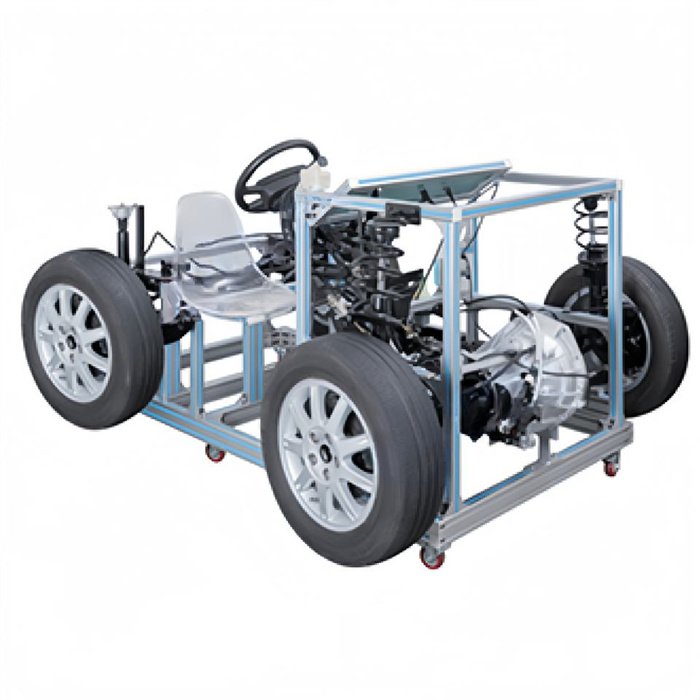
An Automotive Chassis Trainer is often more effective when combined with other automotive training equipment. Schools can build a progressive training laboratory instead of relying on one platform for every subject.