
Auto Ignition System Trainer
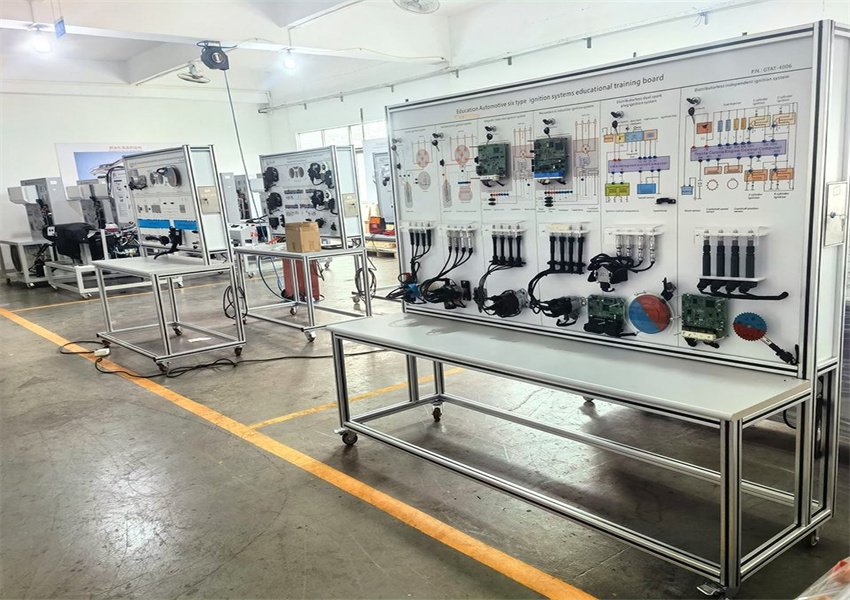
The Auto Ignition System Trainer uses actual parts from six typical engine ignition systems—contact-point ignition, Hall-effect electronic ignition, magnetic-induction ignition, photoelectric-induction ignition, distributorless group ignition, and distributorless independent ignition—to demonstrate the structure and working process of automotive engine ignition systems.
By integrating six ignition-system configurations into one training unit, it allows learners to study different ignition control methods, analyze ignition-system circuit principles, perform real-time electrical measurements, and apply these results to fault diagnosis and troubleshooting.
Price: US$1,569–1,997 / set
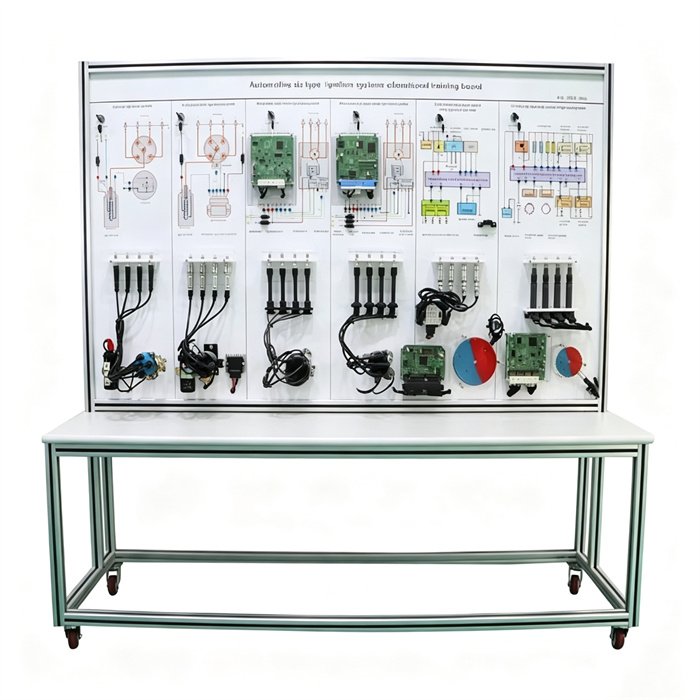
Auto Ignition System Trainer Systems & Training Functions
The trainer turns the represented ignition systems into practical training projects covering system structure, ignition control, electrical measurement, circuit analysis, and fault diagnosis.
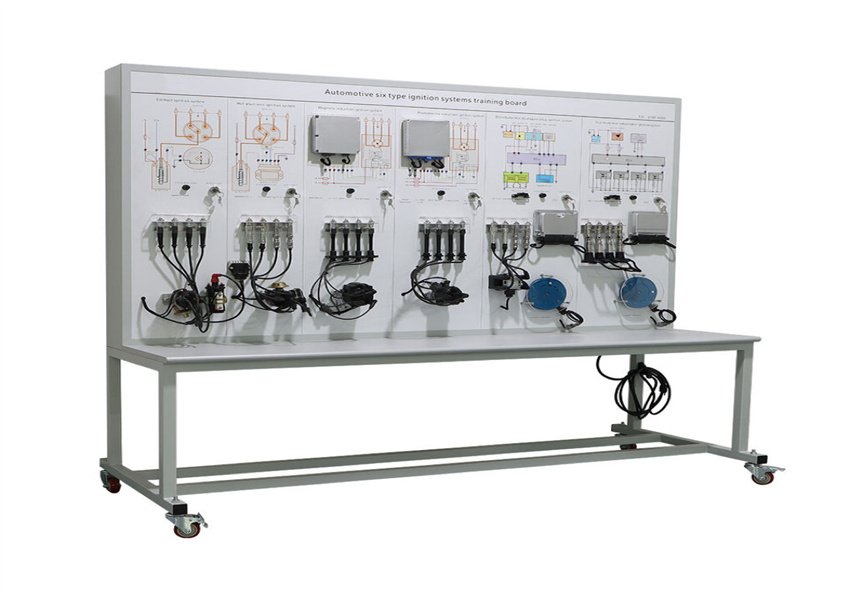
1.Ignition System Structure & Component Training: Learners identify the structure and component composition of the represented ignition systems and understand the role of different components in the ignition process.
2.Ignition Control Methods of Six Ignition Systems: The six ignition-system configurations provide different approaches to ignition control. Learners can examine how ignition control is implemented in each system and understand the differences between the corresponding configurations.
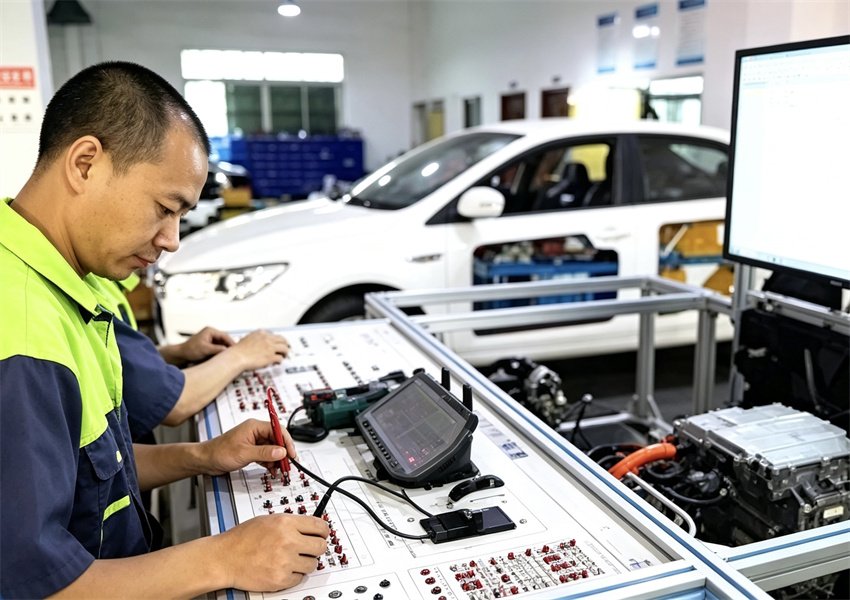
3.Real-Time Measurement of Voltage, Resistance & Signals with a Multimeter: Learners use a multimeter to perform real-time measurements of voltage, resistance, and relevant signals, linking the measured values with the electrical condition of the ignition system.
4.Ignition System Circuit Diagram Analysis: Learners analyze ignition-system circuit diagrams and relate circuit connections to the corresponding components and ignition-control principles represented on the trainer.
5.Ignition System Fault Diagnosis & Troubleshooting: Learners identify abnormal conditions, analyze the possible causes, and use circuit knowledge and electrical measurements to locate and troubleshoot ignition-system faults.
Practical Training Workflow
The training process connects system structure, ignition control, circuit analysis, measurement, and diagnosis so that learners can move from understanding how the system works to verifying its electrical condition and locating faults.
1. Understand the System Structure: Learners begin with the physical ignition-system components and identify how the components are arranged within the system.
2. Analyze the Ignition Control Method: The corresponding ignition-control approach is examined to understand how the system controls the ignition process.
3. Trace the Circuit Principle: Learners use the circuit diagram to trace electrical connections and relate the diagram to the actual system structure.
4. Perform Electrical Measurements: A multimeter is used to measure voltage, resistance, and relevant signals at the appropriate points of the training system.
5. Interpret the Measurement Results: Learners compare the measured electrical information with the circuit principle and system operating condition to determine whether the relevant circuit or component is functioning as expected.
6. Diagnose and Troubleshoot Faults: The analysis and measurement results are then used to identify the fault area, determine the possible cause, and complete the troubleshooting process.
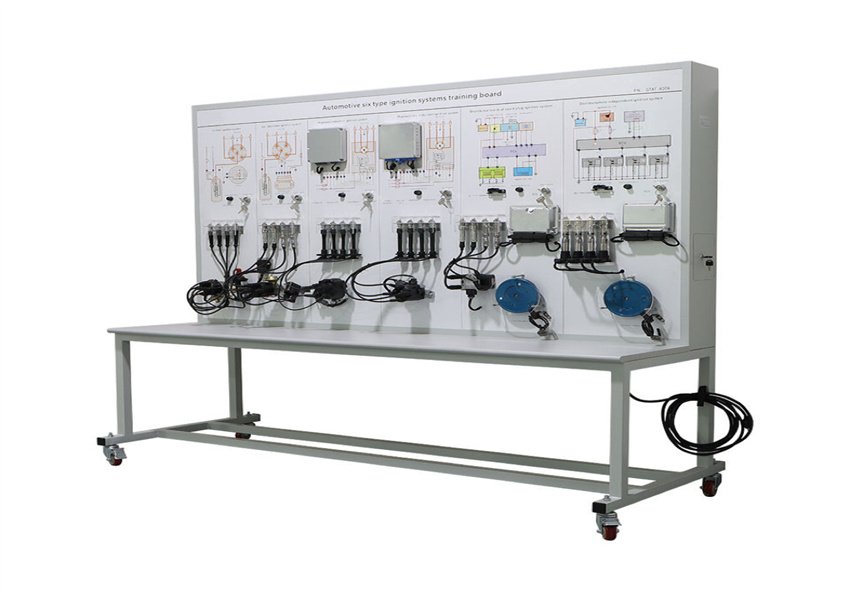
Custom Auto Ignition System Trainer
Customization of the Auto Ignition System Trainer focuses on the ignition-system configuration and practical training requirements specific to this equipment. The configuration can be defined around the ignition technologies that need to be taught, how they are compared, where measurements are performed, and what fault-diagnosis training is required.
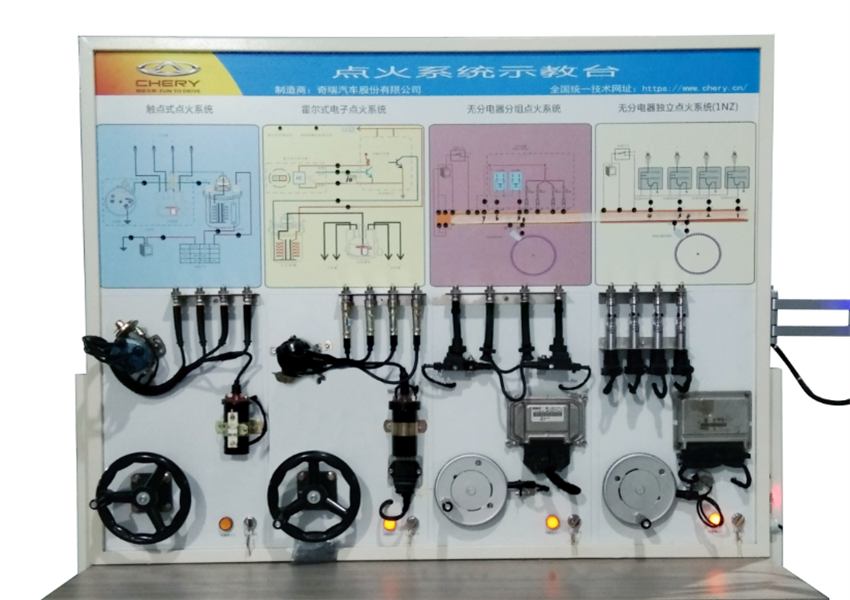
Ignition System Configuration
The ignition-system types and their combination can be defined according to the technologies and training scope required by the curriculum.
Comparative Training Arrangement
The selected ignition systems can be arranged to support practical comparison of their structures, ignition-control methods, and circuit characteristics.
Measurement Point Configuration
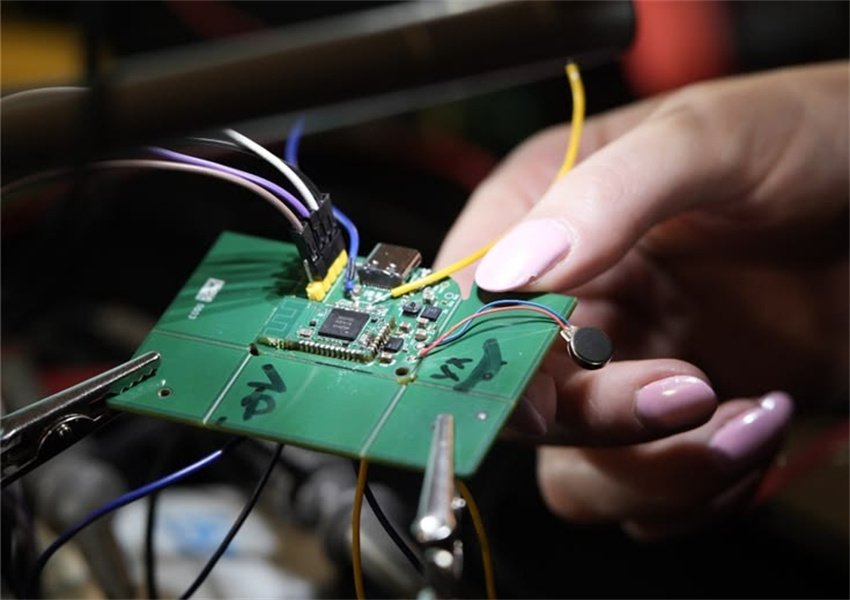
Measurement points can be defined according to the voltage, resistance, and signal measurement exercises required for the selected ignition systems.
Fault-Diagnosis Scope
Where fault-diagnosis training is required, the applicable ignition-system sections and diagnostic scope can be defined according to the intended practical exercises.
Auto Ignition System Trainer Price, Lead Time, Shipping & Installation
Price
US$1,569–1,997 / set
The final quotation depends on the selected configuration and customization requirements.
Lead Time
Standard production is typically 20–25 working days after requirements, configuration, and order details are confirmed.
Customized configurations typically require 30–45 working days.
Pre-Shipment Inspection
Before shipment, the equipment is pre-assembled and functionally tested against the approved configuration and technical specification.
Shipping & Delivery
Overall shipping time is usually about 20–45 days, depending on the destination, transportation route, and shipping method.
Installation & Technical Support
HS provides installation guidance and technical support through documentation, videos, and technician assistance where required.
For detailed installation, training, and technical support information, see Installation, Training & Technical Support.
Send Your Inquiry Today
FAQ About Auto Ignition System Trainer
1. Is one Auto Ignition System Trainer enough for comparative teaching, or is separate equipment needed for each ignition system?
The trainer integrates six ignition-system configurations into one training unit, so comparative teaching can be organized on the same equipment. This can reduce the need to switch between separate training units when the teaching objective is to examine differences between ignition-system structures and control methods.
2. How should this trainer be selected if a curriculum covers both conventional and distributorless ignition systems?
The selection should be based on which ignition-system types the curriculum needs learners to examine in practice. If the course requires learners to compare different ignition-control approaches rather than study only one system, the combination of represented systems becomes an important configuration consideration.
3. Can the trainer be used when different classes need different levels of training depth?
The same training unit can support different training depths by changing the practical emphasis. Introductory training can focus on system structure and circuit principles, while more advanced exercises can place greater emphasis on electrical measurements, result analysis, and fault diagnosis.
4. What should be considered if the equipment will be shared by multiple classes or instructors?
The key consideration is whether the selected system configuration covers the practical exercises required by the different teaching groups. Where different classes have different training requirements, the system combination, measurement points, and fault-diagnosis scope should be defined around the common training requirements and any required advanced exercises.
5. What information should be provided if the standard configuration does not match our existing ignition-system curriculum?
The most useful information is the ignition-system technologies covered by the curriculum, the practical exercises learners need to complete, the required measurement points, and the expected fault-diagnosis scope. These details allow HS to determine which parts of the standard configuration need to be adjusted.
6. How can this trainer fit into a larger automotive electrical training setup?
The trainer can be used as a dedicated ignition-system training unit within a broader automotive electrical training setup. Its role is to provide focused training on ignition-system structure, control, measurement, circuit analysis, and diagnosis, while other equipment can cover different automotive electrical systems.
Related Automotive Training Equipment
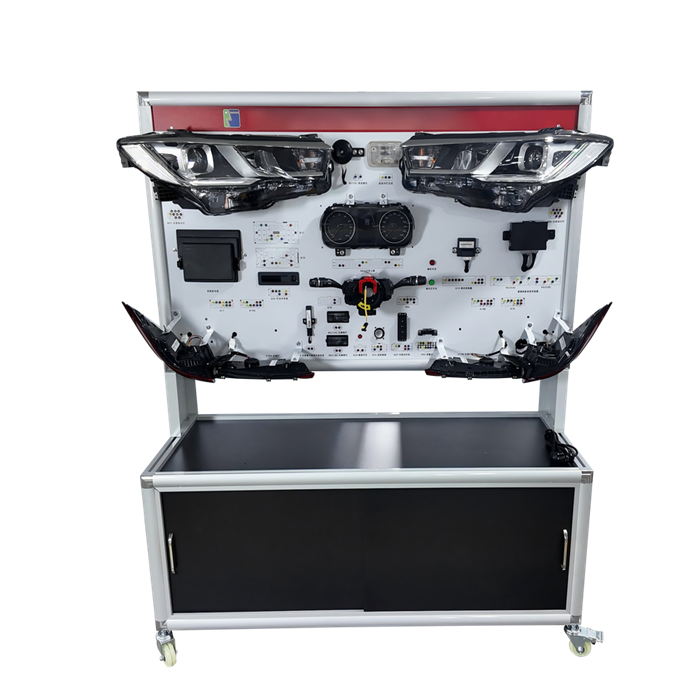
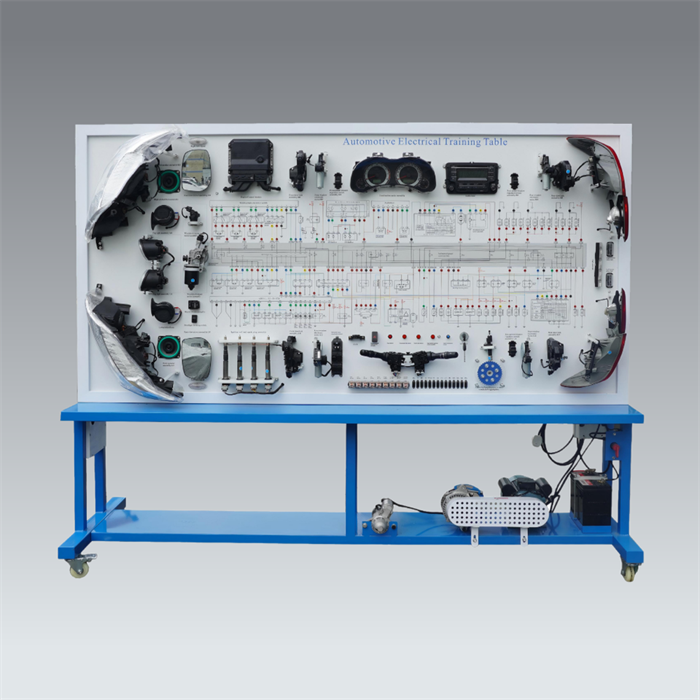
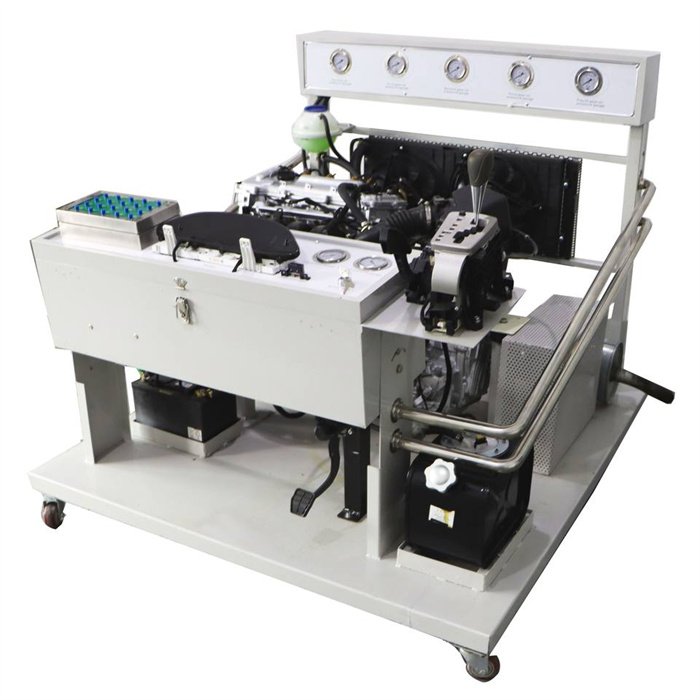
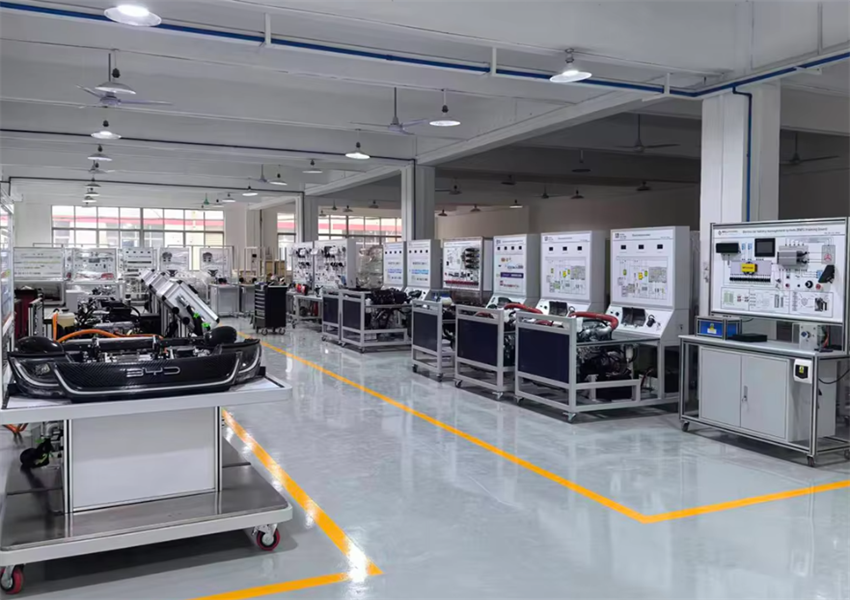
HS also provides automotive training equipment for related electrical, engine, diagnostic, EV, and chassis training requirements.
Request an Auto Ignition System Trainer Quote
Tell HS which ignition-system types, training projects, measurement requirements, and fault-diagnosis scope you need. We can review your requirements and provide a suitable standard or custom configuration with a corresponding quotation.