
Automotive Training Equipment Packaging & Delivery
Manufacturing quality does not end when the equipment passes its final test. The equipment must remain protected during handling and transportation and arrive with the confirmed configuration, required components, interfaces, and accessories intact.
HS therefore treats packaging and delivery as part of maintaining the final equipment result. Shipment arrangements are considered according to the actual equipment structure, vulnerable points, shipment quantity, destination, transportation method, and required arrival time.
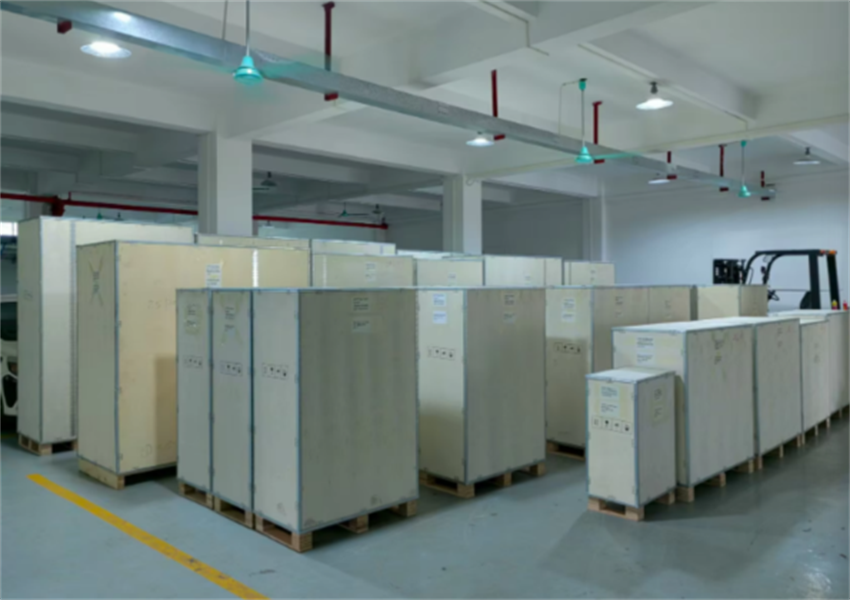
Protecting What Was Already Verified
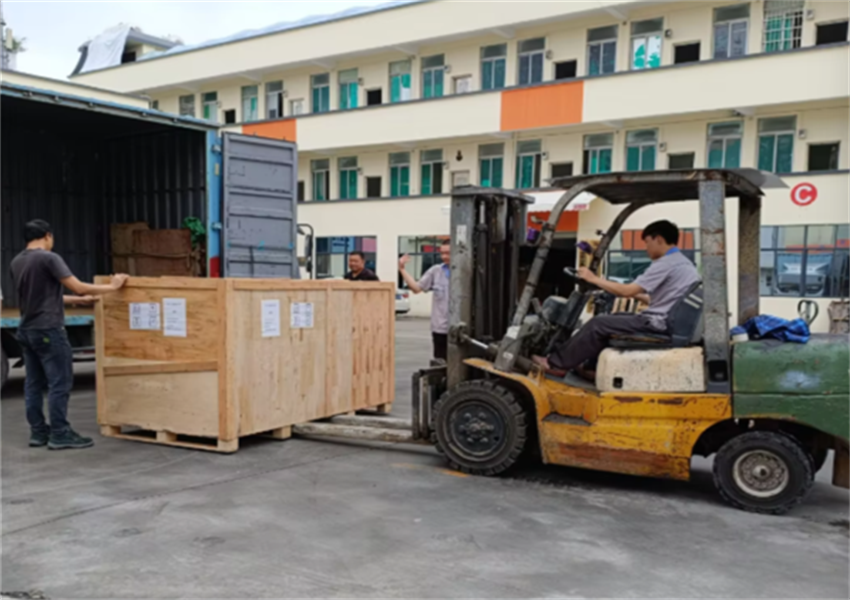
Packaging is not treated only as a way to prevent visible damage. The purpose is to preserve the condition that has already been confirmed during manufacturing and final testing while the equipment passes through handling, transportation, customs clearance, and local delivery.
Final Equipment Condition Before Packing
The equipment enters the packing stage after the required final assembly and functional checks have been completed. The completed equipment and specified shipment items are prepared according to the confirmed configuration.
Preserving Structural and Functional Elements
Packaging arrangements consider the equipment structure, component arrangement, interfaces, and other elements that have already been verified. The objective is to reduce transportation-related movement or impact from affecting the final equipment condition.
Protecting the Parts That Matter After Delivery
The protection requirement is not determined only by the size of a component. A smaller connector, diagnostic interface, wiring point, moving mechanism, or detachable accessory can be important to later installation, measurement, or operation.
The Vulnerable Parts Are Not Always the Largest Parts
Automotive training equipment often combines structural assemblies with electrical, diagnostic, control, or moving components. Their transportation risks are therefore not necessarily proportional to their physical size.
Electrical and Diagnostic Interfaces
Exposed connectors, wiring points, diagnostic interfaces, and control elements may require additional protection because their condition can affect later connection, measurement, or operation.
Moving Mechanisms
Where equipment contains moving mechanisms, their position and movement during transportation need to be considered to reduce unnecessary movement or contact with other components.
Detachable Components and Accessories
Detachable components, cables, accessories, and other specified items are organized with the shipment so that they remain associated with the correct equipment during handling and delivery.
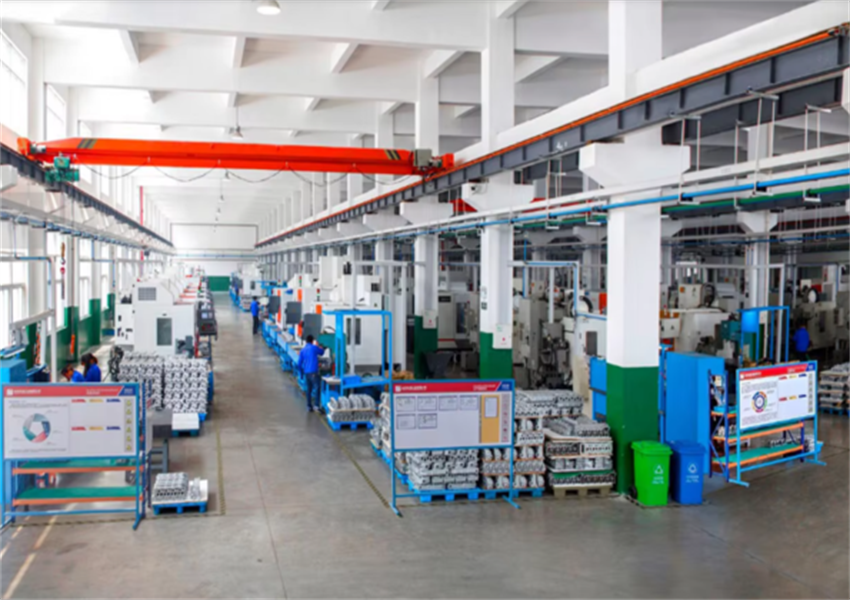
Shipping & Delivery for Automotive Training Equipment
Send Your Inquiry Today
HS coordinates transportation according to equipment size, weight, shipment quantity, destination, required arrival time, and project requirements. For multiple-unit or mixed-equipment projects, the shipment arrangement can also consider whether equipment should be consolidated or shipped separately based on protection requirements and overall transportation efficiency.
Delivery Methods for Automotive Training Equipment
Sea Freight — For Larger or Multiple-Unit Shipments
Sea freight is generally suitable for larger training equipment, heavier equipment, or multiple units shipped together. It provides a practical option when transportation cost and shipment volume are more important than the shortest transit time.
Air Freight — For Faster International Delivery
Air freight can be considered when the project has a tighter delivery schedule or when the shipment size makes air transportation practical. It generally provides a shorter transit time than sea freight, although the transportation cost can be higher.
Express Delivery — For Smaller Equipment, Accessories or Urgent Shipments
Express delivery is more suitable for smaller and lighter equipment, accessories, documents, replacement parts, or shipments where speed and door-to-door handling are priorities.
Choosing the Right Delivery Method
The most suitable delivery method depends on the balance between equipment size, shipment quantity, destination, transportation cost, and required arrival time.
Large or multiple-unit shipments → Sea Freight
Time-sensitive international shipments → Air Freight
Small equipment, accessories or urgent delivery → Express
HS evaluates these factors together rather than applying the same transportation method to every order.
Consolidating Multiple Training Units
For projects involving several training units, HS can assess whether consolidation is suitable based on equipment dimensions, total shipment volume, destination, delivery schedule, and protection requirements. When the equipment is suitable for combined shipment, consolidation can reduce duplicated transportation and handling arrangements.
When Separate Shipment May Be More Suitable
Consolidation is not automatically suitable for every project. If different equipment has significantly different protection requirements, destinations, completion schedules, or delivery priorities, separate shipment arrangements may be considered to better match the actual project requirements.
Typical International Delivery Time
For international orders, transportation time is normally about 20–45 days, depending on the destination, transportation method, shipment size, customs clearance, and local delivery conditions.
Production lead time and transportation time are calculated separately. Standard equipment generally requires 20–25 working days for production, while custom equipment generally requires 30–45 working days after the technical requirements, configuration, and order details have been confirmed.
From Final Testing to Customer Site
The delivery process follows the condition of the completed equipment:
Final Equipment Testing → Packaging → Shipment → International Transportation → Customs Clearance → Local Delivery
The objective is to maintain the confirmed equipment condition throughout transportation and deliver the required equipment, components, interfaces, and accessories to the customer’s designated destination.
FAQ About Automotive Training Equipment Packaging & Delivery
1.Is It Better to Ship Multiple Training Units Together?
For multiple-unit orders, HS can evaluate whether the equipment should be consolidated into one shipment or arranged in separate shipments. When equipment dimensions, weight, destination, and delivery schedule allow, consolidated transportation can reduce duplicated freight and handling arrangements. The final arrangement also considers whether different equipment requires different protection or handling conditions.
2. How Does HS Handle Different Equipment in the Same Shipment?
Different training equipment does not necessarily have the same transportation risks. HS considers the structure, weight, exposed components, detachable parts, and protection requirements of each equipment type when arranging a combined shipment. The objective is to coordinate the shipment as a whole while maintaining the protection requirements of individual units.
3. What Factors Can Affect the Actual Delivery Time?
The total delivery period is affected by more than the transportation method. Destination, shipment size, customs clearance, local delivery arrangements, and the selected freight method can all affect the actual arrival time. HS therefore separates production lead time from transportation time when planning delivery.
4.How Can Customers Reduce Unnecessary Transportation Costs?
Transportation cost is influenced by shipment volume, dimensions, weight, quantity, destination, and freight method. For projects involving several training units, HS can assess whether consolidation, shipment grouping, or another delivery arrangement is more suitable instead of automatically treating every unit as an independent shipment.
5.What Should Customers Check When the Equipment Arrives?
After delivery, customers can first check the external condition of the shipment and then verify the equipment, accessories, and visible components against the confirmed shipment configuration. For projects involving multiple units, checking the quantity and condition of each unit separately can help identify any transportation-related abnormality at the earliest stage.
6.How Does HS Coordinate Delivery for Projects with Different Arrival Requirements?
When a project contains equipment with different installation priorities, quantities, destinations, or required arrival times, HS can evaluate the delivery arrangement according to the project requirements rather than applying one fixed shipping method to every item. This helps coordinate production completion, shipment grouping, and arrival timing around the customer’s actual project schedule.
Request a Packaging & Delivery Plan
Have automotive training equipment that is ready for international shipment or a project involving multiple training units?
Share your equipment configuration, quantity, destination, required delivery schedule, and any specific transportation requirements with HS. We can assess the shipment conditions and coordinate an appropriate packaging and delivery arrangement based on the equipment and project requirements.