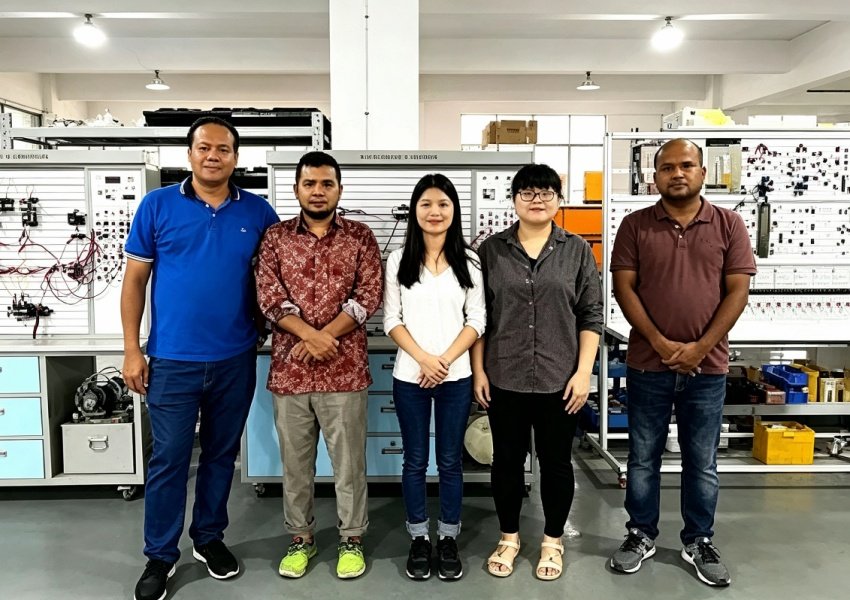
Custom Training Equipment Engineering Services
Build the training equipment around your automotive system, practical training tasks, and technical requirements. HS provides Custom Training Equipment based on real automotive systems and components, with configurable training functions, measurement and diagnostic interfaces, equipment structures, and practical operating conditions.
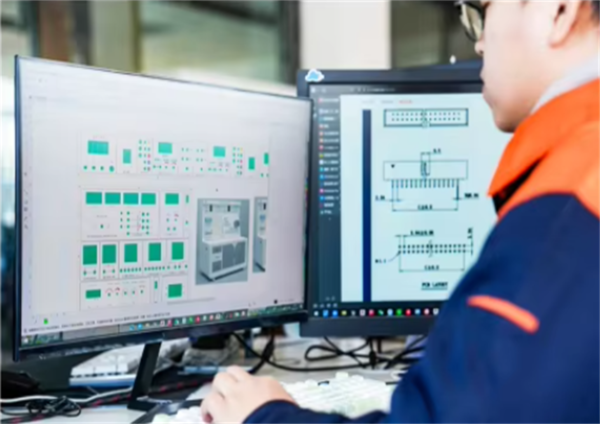
What Can You Choose to Customize?
HS can customize the technical configuration, practical training functions, interfaces, equipment structure, operating conditions, and supporting documentation according to the requirements of each project.
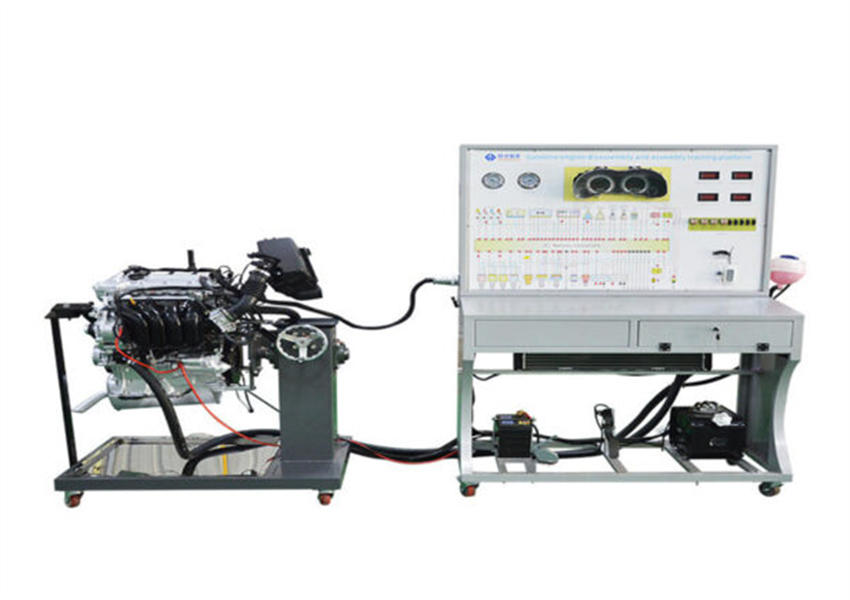
Automotive System & Component Configuration
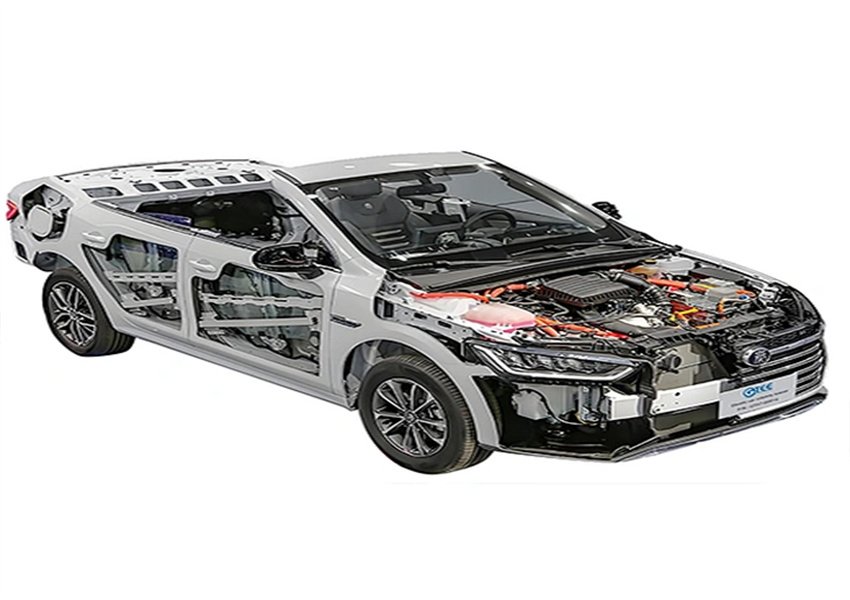
Training equipment can be configured around the specified automotive platform, system, or components required for the training program.
- Vehicle platform
- Engine
- Transmission
- Automotive electrical system
- EV system
- Chassis system
- ECU
- Selected automotive components
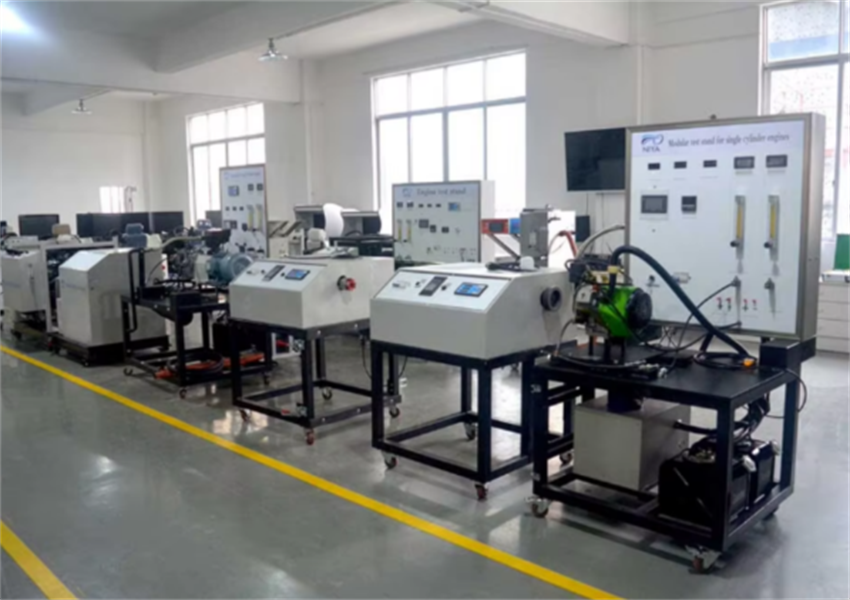
Practical Training Functions & Tasks
Training functions can be designed around the actual operations and skill tasks trainees need to complete during practical training.
- System operation
- Component testing
- Electrical measurement
- Circuit testing
- Troubleshooting
- Diagnosis
- Disassembly / assembly
- Result verification
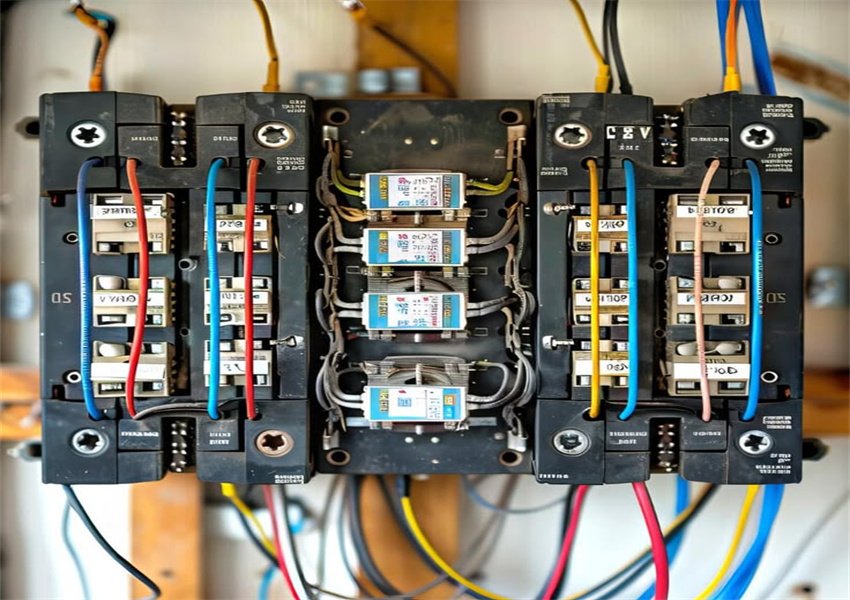
Measurement Points & Test Interfaces
Measurement and diagnostic access can be arranged according to the required testing procedures and practical training workflow.
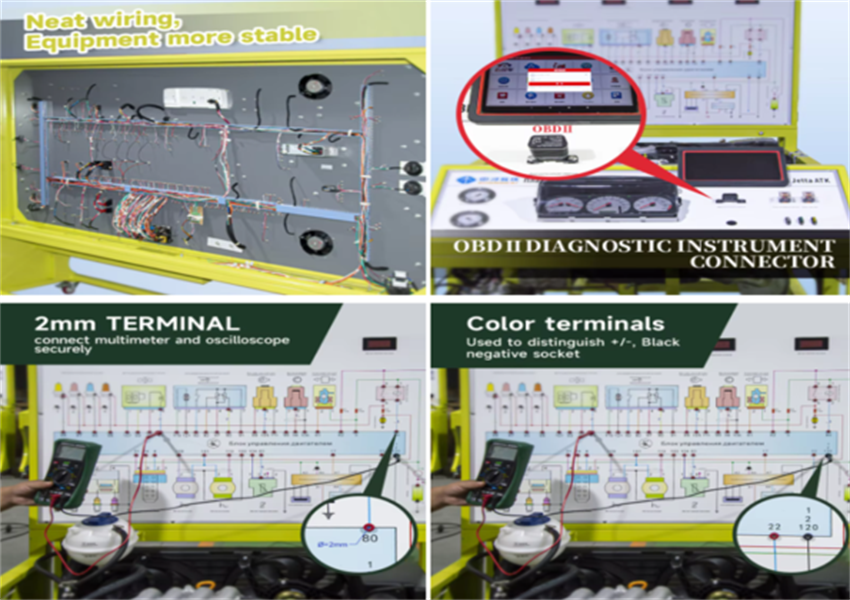
- Measurement terminals
- Test points
- Wiring access
- Signal access points
- Diagnostic connectors
- Electrical test interfaces
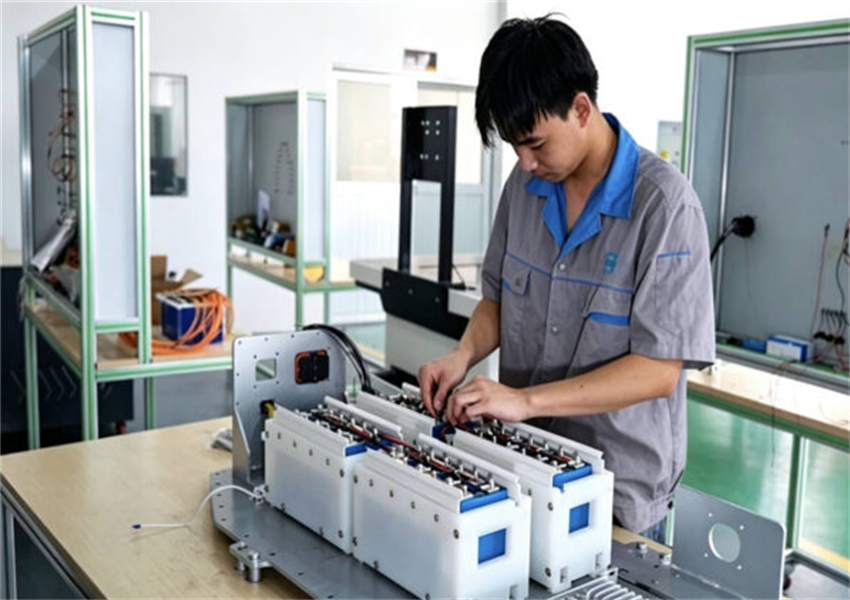
ECU, Diagnostic & Fault-Simulation Functions
For applicable equipment, diagnostic and fault-training functions can be configured to support the complete process from fault creation to diagnosis and result verification.
- ECU communication interfaces
- Diagnostic access
- Signal testing
- Fault-insertion points
- Specified fault conditions
- Fault recovery
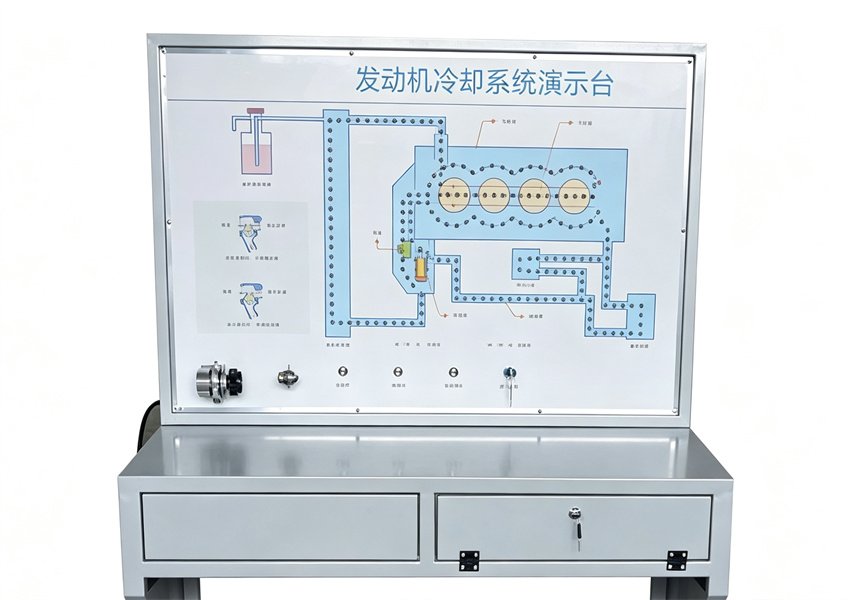
Training Panel Design & Equipment Structure
Panel design and physical structure can be adapted to the training method, component arrangement, laboratory space, and operating requirements.
- Circuit diagrams
- Enlarged electrical schematics
- Multilingual labels
- Safety markings
- Component identification
- Test-point arrangement
- Rack dimensions
- Component positioning
- Operating height
- Working space
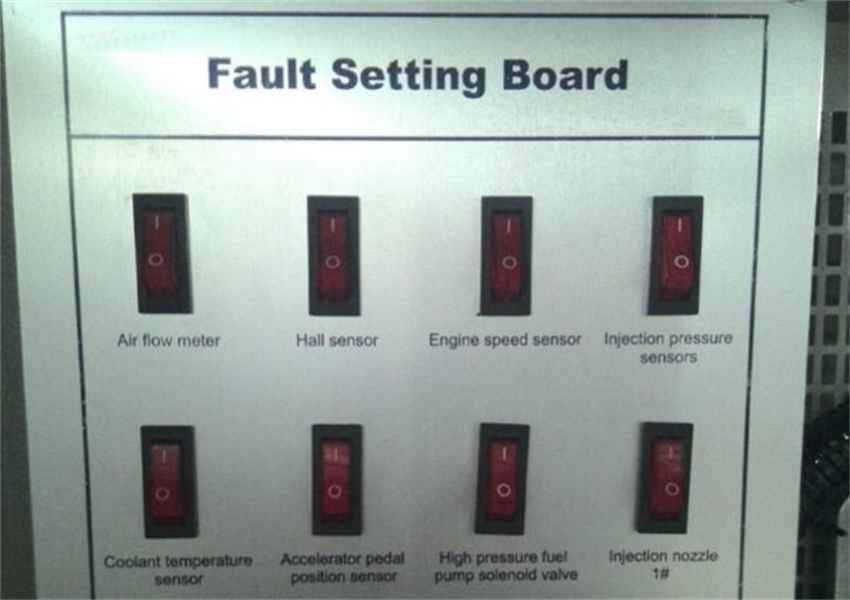
Controls, Displays & Operating Interfaces
Operating and display interfaces can be configured according to the equipment functions and the way instructors and trainees interact with the system.
- Power controls
- Switches
- Status indicators
- Displays
- Operating controls
- Measurement interfaces
Safety, Voltage & Power Configuration
Safety and power configurations can be adapted to the equipment type, training environment, and applicable local electrical requirements.
- Electrical protection
- Operating protection
- Emergency controls
- 110V / 220V or specified voltage
- Power configuration
Branding, Language & Technical Documentation
Branding, language, labeling, and technical documentation can be prepared according to the project requirements and approved equipment configuration.
- OEM/ODM branding
- Equipment labels
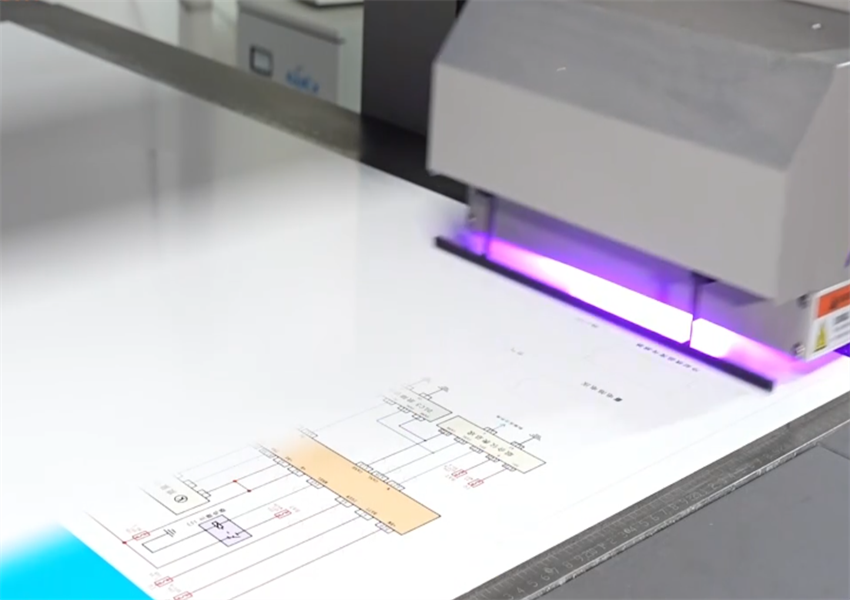
- Panel graphics
- Packaging
- Instruction materials
- User manuals
- Training instructions
- Wiring diagrams
- Technical specifications
How the Custom Equipment Requirement Is Defined
Customers do not always need a complete equipment design before starting a project. HS can work from the information already available and help convert it into a defined equipment configuration and technical specification.
Training Requirements
The initial training information can include:
Curriculum requirements
Training objectives
Practical exercises
Target skills
Required operations
Student training workflow
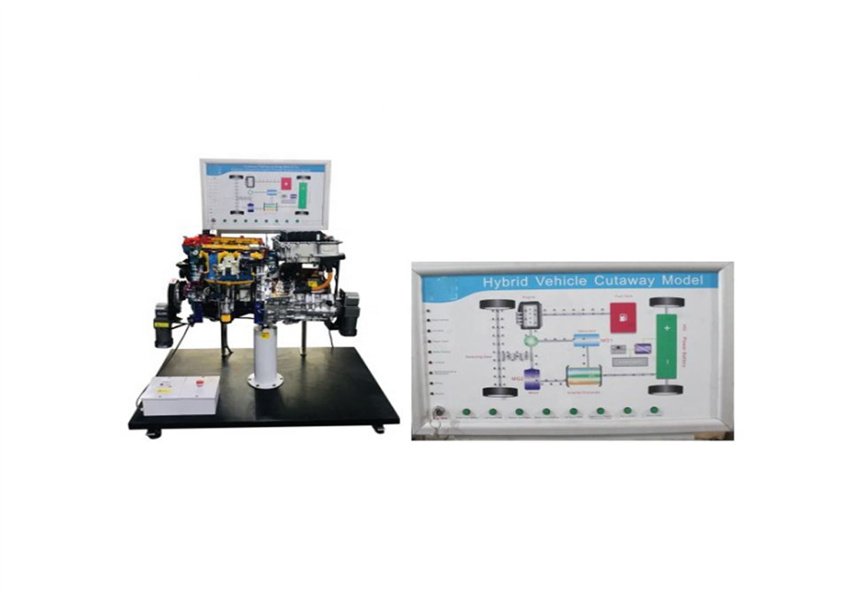
Automotive System Requirements
The project can be based on:
Target vehicle or platform
Engine
Transmission
Automotive electrical system
EV system
Chassis system
ECU or selected components
Functional & Technical Requirements
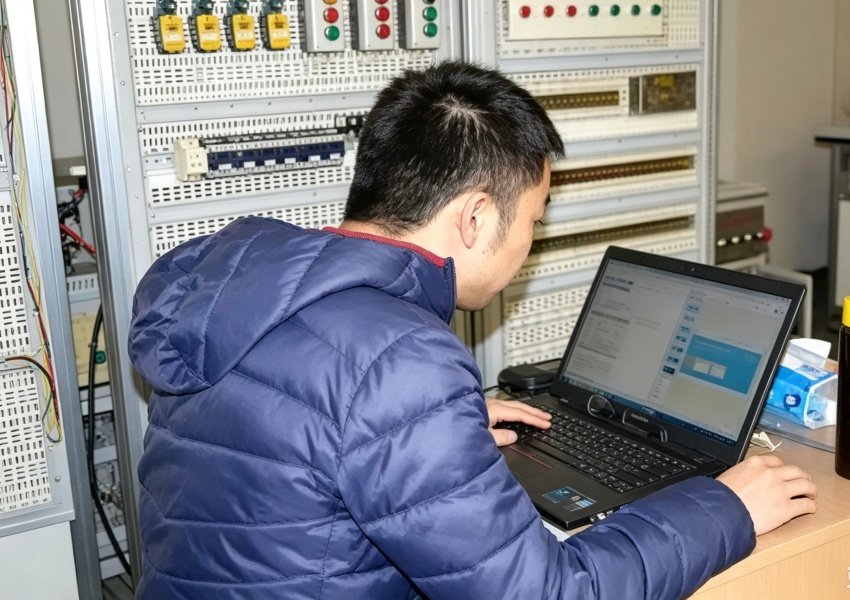
Available technical requirements may include:
Required training functions
Measurement requirements
Diagnostic requirements
Fault-simulation requirements
Operating conditions
Safety requirements
Power requirements
Available Reference Materials
Customers can provide any available reference information, such as:
Technical specifications
Circuit diagrams
Component lists
Vehicle information
Photos / videos
Existing equipment samples
Reference products
Laboratory dimensions or layout
Technical Requirement Confirmation
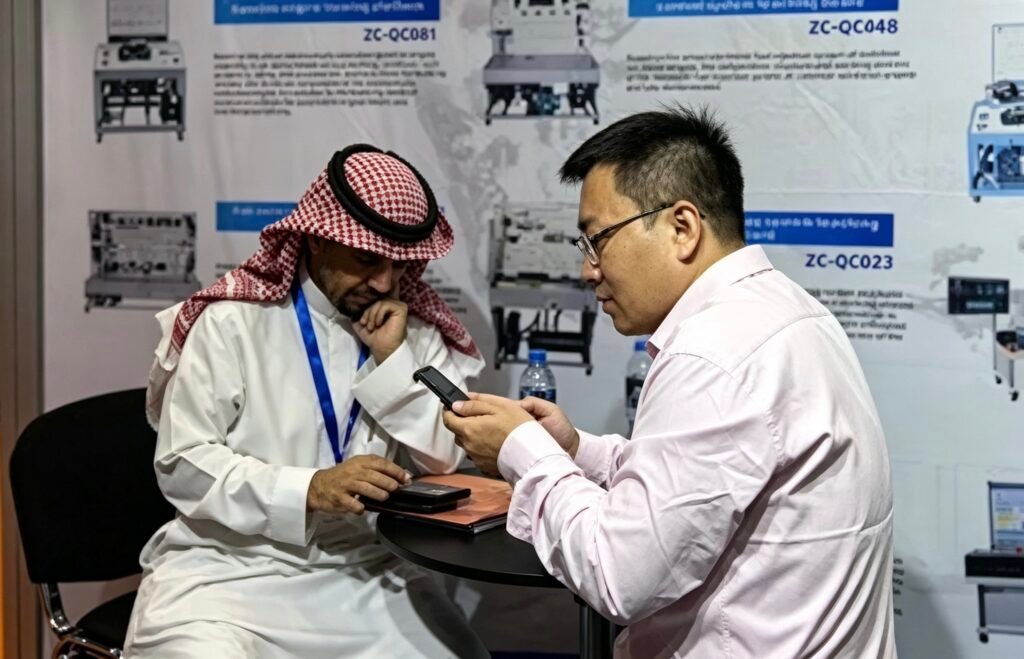
HS organizes the available information into a defined equipment configuration and technical specification for customer review and confirmation before engineering and production.
Choose HS’s Manufacturing Services
Once the customized equipment configuration and technical requirements are confirmed, HS manufactures the equipment according to the approved project definition rather than treating the order as a standard product.
Engineering-Based Manufacturing
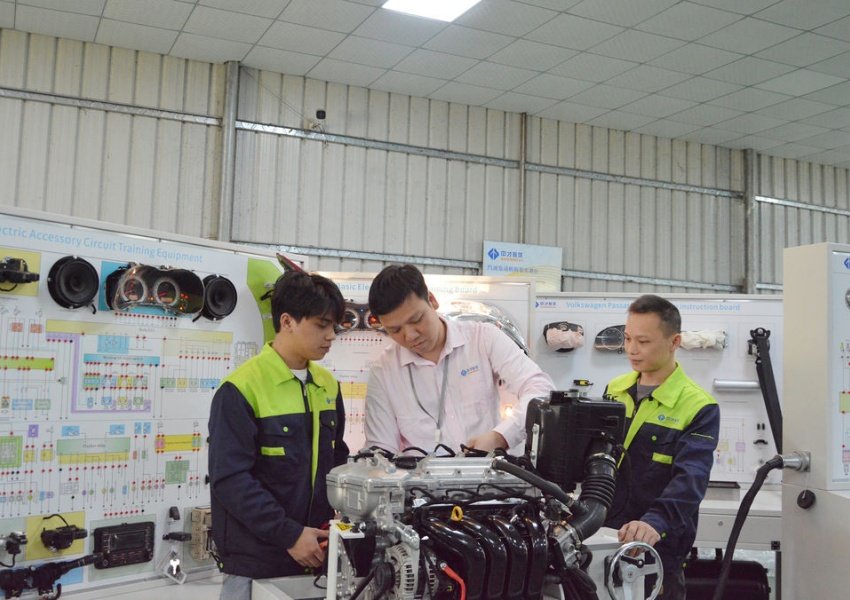
Manufacturing follows the confirmed equipment configuration, technical specifications, component selection, structural requirements, interfaces, and training functions.
For equipment involving structural modifications, electrical systems, diagnostic interfaces, or other project-specific changes, the manufacturing process follows the applicable engineering requirements.
Configuration Control
The approved configuration and technical specification provide the reference for engineering, component preparation, assembly, inspection, and final delivery.
This helps keep the equipment manufactured, inspected, and delivered according to the same defined project requirements.
Pre-Shipment Verification
Each completed customized training equipment undergoes factory testing before shipment against the approved configuration and technical specification.
Depending on the equipment type and configuration, inspection can include:
- Structural and assembly verification
- System function testing
- Dynamic operation testing where applicable
- Electrical and diagnostic function testing where applicable
- Safety-related checks
- Final configuration verification
How to Request a Custom Training Equipment Solution
You do not need to prepare a complete equipment design before contacting HS. Send the information you already have, and HS can use it to understand the required customization scope and technical direction.
Target Vehicle or Automotive System
Tell us what automotive system the equipment should be based on.
Target vehicle or platform
Engine
Transmission
Automotive electrical system
EV system
Chassis system
ECU or selected components
Training Requirements
Describe what the equipment needs to demonstrate or what trainees need to perform.
Examples include:
System operation
Electrical measurement
Component testing
Troubleshooting
Diagnosis
Disassembly / assembly
Fault simulation
Existing Technical Information
Send any technical information that can help define the required configuration.
Technical specifications
Drawings
Circuit diagrams
Component lists
Vehicle information
Photos or videos
Existing Equipment or Reference Samples
If you already have a trainer, equipment sample, or reference product, you can provide photographs, videos, specifications, or the physical sample where practical.
Reference equipment helps HS understand the expected equipment form, component arrangement, interfaces, or specific functions. It does not need to represent a complete final design.
Laboratory & Installation Requirements
Where equipment size or installation conditions are important, provide the available laboratory dimensions and installation requirements.
Available floor or wall space
Equipment dimensions
Operating position
Installation conditions
Power supply requirements
Special Project Requirements
Include any requirements that would make the equipment different from a standard HS product.
These may include:
Specific vehicle or component configuration
Additional training functions
Special measurement or diagnostic interfaces
Structural or layout changes
Specified voltage or power supply
Language or labeling requirements
OEM/ODM branding
Customized technical documentation
Send what you already have—even if it is only a training requirement, product reference, photo, drawing, or basic specification. HS can review the available information and determine the appropriate customization scope with you.
Send Your Inquiry Today
FAQ About Custom Training Equipment
1.Can HS customize an existing training equipment model instead of developing a completely new one?
Yes. Customization does not always require developing a completely new product. When an existing HS training equipment model provides a suitable technical foundation, it can be adapted to the required configuration, functions, interfaces, structure, or other project-specific requirements.
2.When is a completely new training equipment design required?
A new engineering design may be required when the requested automotive system, training method, equipment form, or technical requirements differ substantially from an existing product. The development approach depends on the technical gap between the standard product and the required final solution.
3. How does HS determine whether a requested customization is technically feasible?
HS evaluates the requested changes against the relevant automotive system, available components, equipment structure, training functions, interfaces, operating conditions, and engineering requirements. If the original requirement cannot be implemented directly, HS can evaluate an alternative technical approach based on the actual equipment conditions.
4.When is a prototype or engineering sample useful?
An engineering sample is particularly useful when a project involves substantial structural changes, new training functions, complex electrical or diagnostic interfaces, or an equipment form that needs physical evaluation before full production. It allows the proposed solution to be reviewed before the complete production quantity is manufactured.
5.Can customized equipment be expanded for future training requirements?
Potentially, depending on the original equipment architecture and the planned future changes. If future expansion requirements are known when the project is defined, HS can consider them during the initial engineering stage to reduce conflicts with the equipment’s basic structure and interfaces.
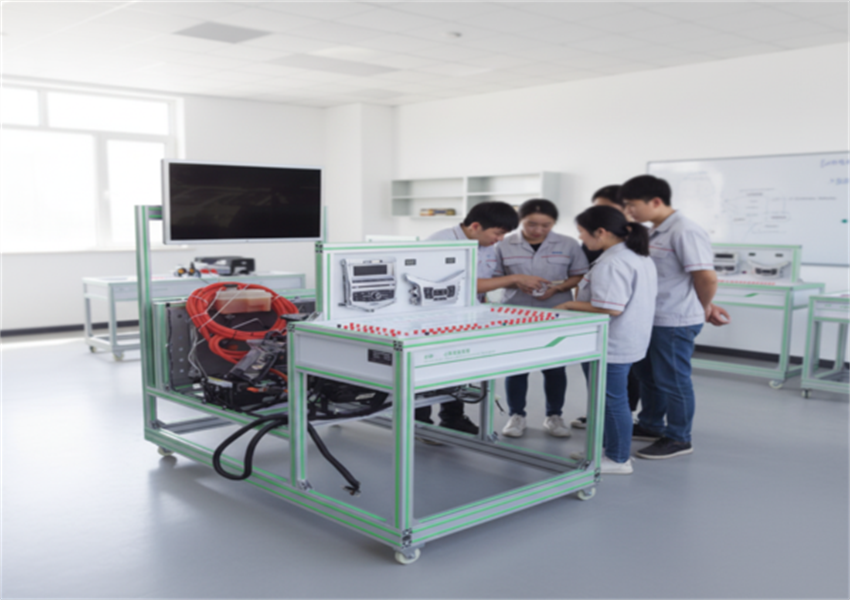
6.Can HS develop a customized solution for an entire training laboratory?
Yes. HS can consider projects involving multiple training units, different automotive systems, shared teaching resources, or specific laboratory space requirements. The equipment can be planned as part of a coordinated training environment rather than treated as isolated products.