Gasoline Engine Disassembly and Assembly Trainer
The Gasoline Engine Disassembly and Assembly Trainer provides a practical platform for training in gasoline engine structure, component identification, disassembly, inspection, assembly, and maintenance procedures. The engine is presented in a training-oriented configuration that gives trainees direct access to the components and assemblies involved in practical engine service work.
Price: approximately US$2,957.44–5,896.26/set
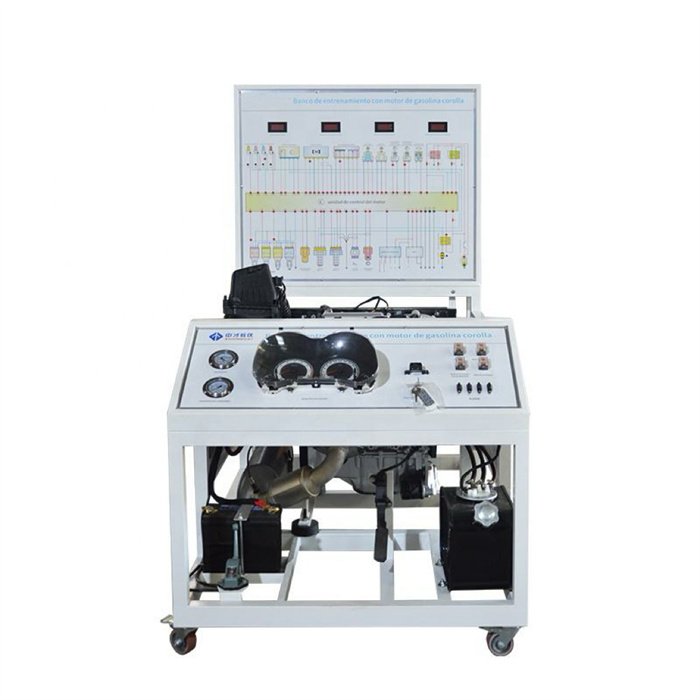
Gasoline Engine Disassembly and Assembly Trainer Systems & Training Functions
The Gasoline Engine Disassembly and Assembly Trainer focuses on practical mechanical training rather than simply demonstrating engine operation. Depending on the selected configuration, the training scope can cover engine structure, component removal and installation, assembly relationships, inspection, and maintenance procedures.
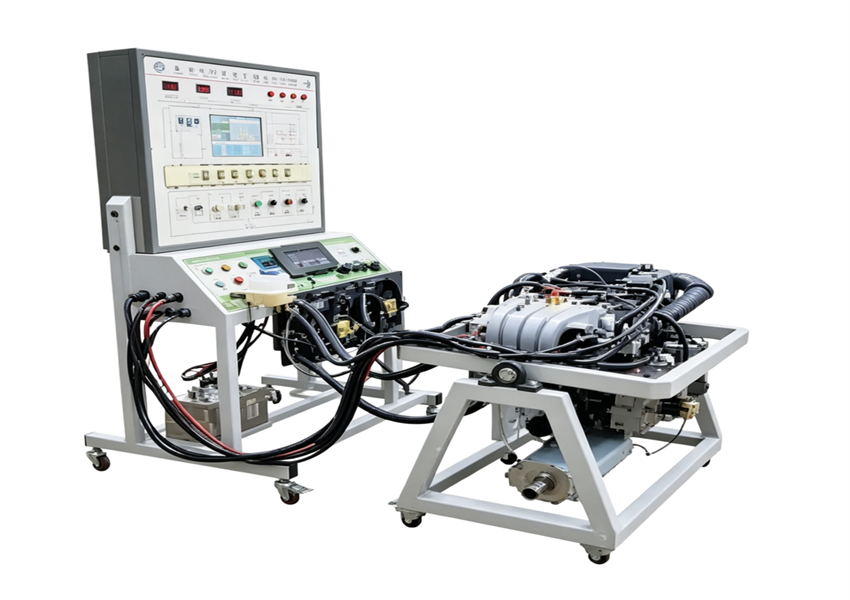
1. Gasoline Engine Platform: The trainer can be configured around the selected gasoline engine platform required for the intended training program, with the engine structure presented for practical disassembly, inspection, and assembly work.
2. Engine Component Disassembly & Assembly: The configuration can support practical removal, separation, inspection, refitting, and assembly tasks for the engine components included in the selected platform.
3. Engine Structure & Assembly Relationships: The training setup allows trainees to examine the position, connection, and assembly relationships of selected engine components during disassembly and reassembly.
4. Practical Inspection & Maintenance: Where applicable, the trainer can support inspection tasks for selected engine components and maintenance procedures associated with the disassembly and assembly process.
5. Engine Positioning for Practical Work: The mounting and positioning configuration can be specified according to the practical access and operating requirements of the selected engine and the intended disassembly and assembly tasks.
6. Training Scope Configuration: The training scope can range from basic engine structure and component identification to more detailed disassembly, inspection, assembly, and maintenance procedures according to the selected configuration.
From Component Identification to Engine Reassembly: Practical Training Workflow
The Gasoline Engine Disassembly and Assembly Trainer supports a continuous hands-on workflow from identifying engine components to disassembly, inspection, reassembly, and final verification. The exact operations depend on the selected engine platform and approved training scope.
1. Identify Engine Components: Trainees identify the major engine components and understand their positions, connections, and assembly relationships before beginning practical work.
2. Prepare the Engine for Disassembly: The engine and relevant working areas are checked and prepared according to the specified disassembly procedure before components are removed.
3. Perform Component Disassembly: Trainees progressively remove the specified components and assemblies according to the required sequence, while observing their installation positions and connections.
4. Inspect Disassembled Components: The removed components can be examined for condition, wear, damage, contamination, or other inspection requirements applicable to the selected training task.
5. Perform Reassembly: After inspection, the specified components are refitted and assembled according to the required assembly sequence and practical maintenance procedure.
6. Verify Assembly Result: The completed assembly is checked against the applicable training requirements to confirm that the required components, connections, and assembly relationships have been restored.
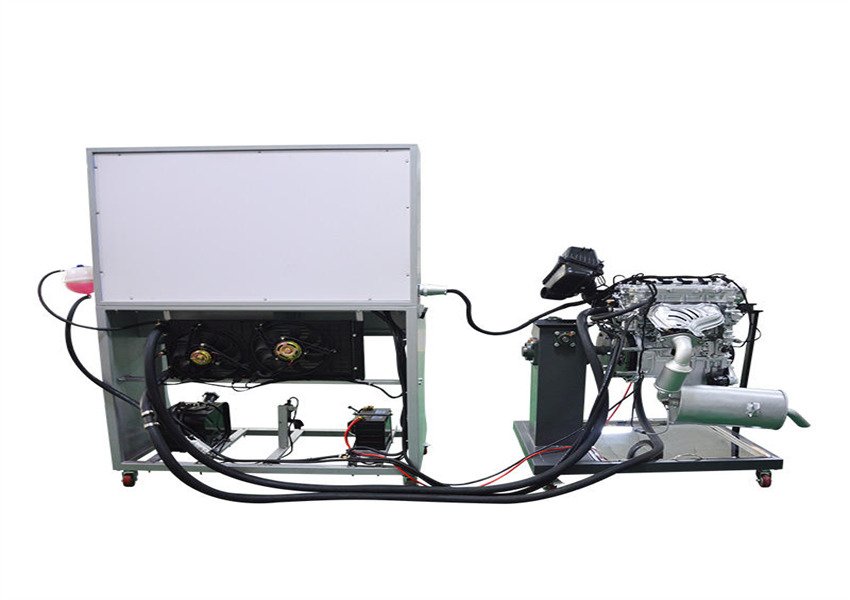
Custom Gasoline Engine Disassembly and Assembly Trainer
HS can customize the Gasoline Engine Disassembly and Assembly Trainer around the required gasoline engine platform, practical disassembly and assembly scope, component inspection requirements, and working configuration. The customization is defined according to the actual training tasks and project requirements rather than applying a fixed configuration to every engine model.
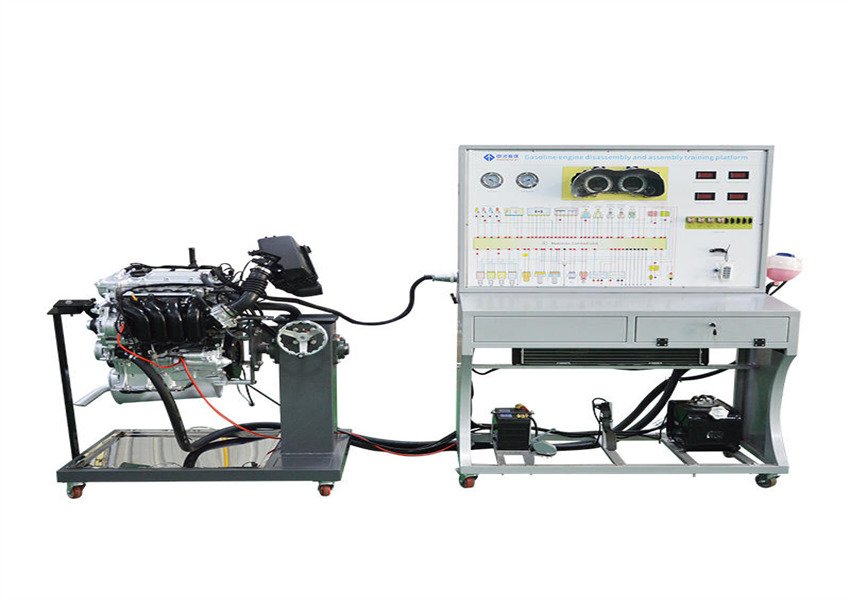
Gasoline Engine Platform
The required gasoline engine platform can be specified according to the curriculum, maintenance training scope, and practical disassembly and assembly requirements.
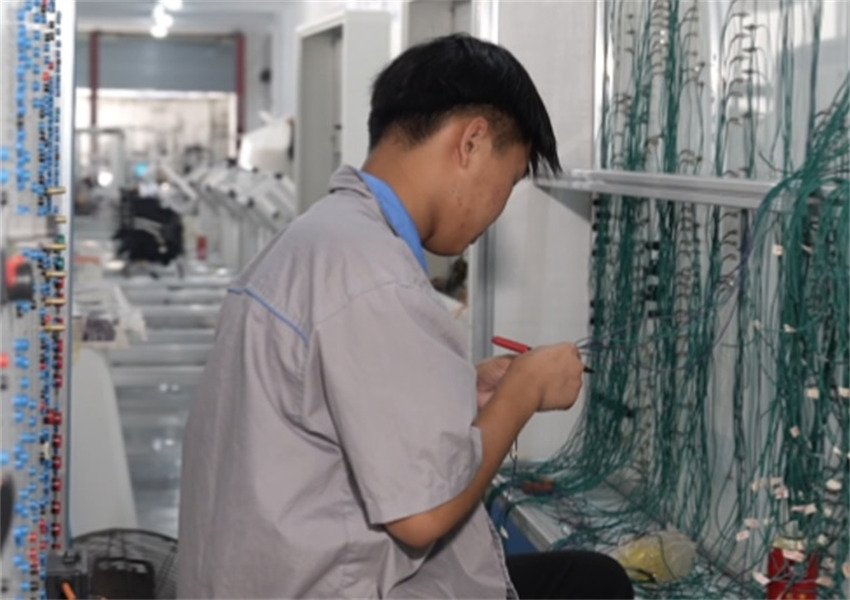
Disassembly & Assembly Training Scope
The components, assemblies, and practical procedures included in the training scope can be defined according to the required disassembly, inspection, refitting, and assembly tasks.
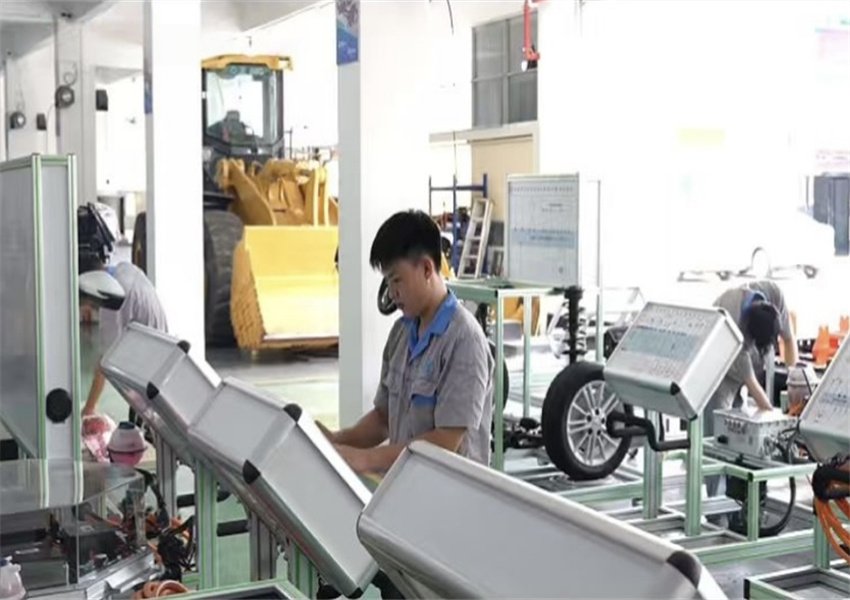
Engine Mounting & Practical Access
The engine mounting and positioning arrangement can be configured according to the access requirements of the selected engine and the practical operations trainees need to perform during disassembly and assembly.
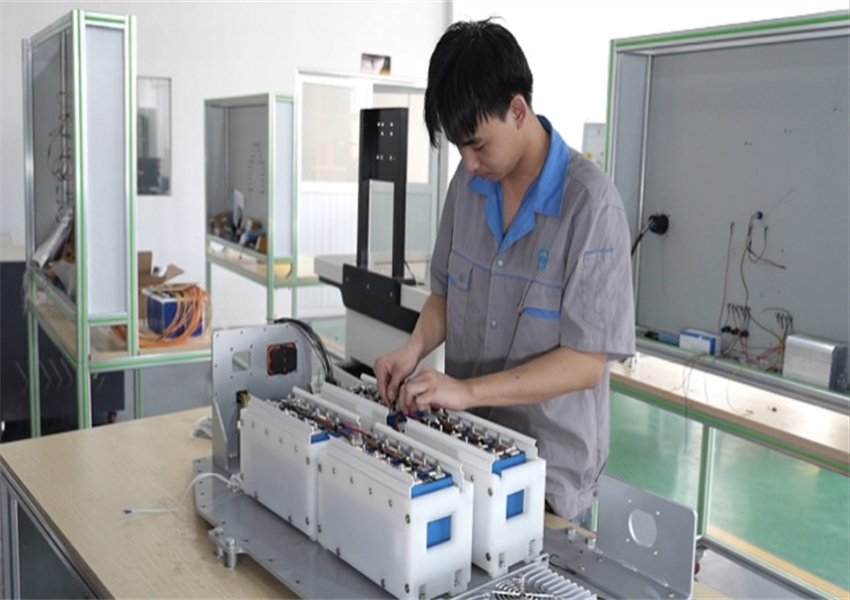
4. Component Inspection & Maintenance Scope
The inspection and maintenance tasks can be specified according to the selected engine platform and the practical skills that the training program is intended to develop.
Gasoline Engine Disassembly and Assembly Trainer Price, Lead Time, Shipping & Installation
Price
Approximately US$2,957.44–5,896.26/set.
The final quotation depends on the selected gasoline engine platform, training configuration, disassembly and assembly scope, applicable customization, and project requirements.
Lead Time
Standard configuration: approximately 20–25 working days.
Custom configuration: approximately 30–45 working days.
Production starts after the technical requirements, configuration, and order details are confirmed. For customized equipment, the final production schedule is confirmed after technical review and configuration/design approval where applicable.
Pre-Shipment Inspection
Before shipment, the trainer is pre-assembled and functionally checked against the approved configuration and technical requirements. The inspection focuses on the engine mounting arrangement, assembly-related configuration, movable or positioning mechanisms where applicable, and other confirmed training functions.
Shipping & Delivery
The overall transportation period is approximately 20–45 days, depending on the selected transportation method, destination, and shipment arrangement.
Sea Freight: suitable for complete trainers and larger B2B shipments. Consolidated or dedicated shipment arrangements can be selected according to cargo quantity, destination, and shipping requirements. The schedule depends on the destination port, route, and cargo arrangement.
Air Freight: suitable when faster transportation is required. The transportation cost is affected by equipment dimensions, weight, destination airport, and carrier arrangement.
Express Delivery: suitable for smaller shipments or urgent supporting items, documents, or components where the size and weight are appropriate for express service.
Delivery Coordination: the destination, transportation method, shipment arrangement, and delivery requirements are confirmed before shipment.
The trainer can be protected with suitable export packaging, with a wooden crate used where required for international transportation.
Installation & Technical Support
HS provides installation guidance, operating manuals, training materials, videos, and technical support according to the equipment configuration and project scope. Remote technical support is available as standard, while additional technician guidance or project implementation support can be arranged where required.
Send Your Inquiry Today
FAQ About Gasoline Engine Disassembly and Assembly Trainer
1. What is the main difference between a Gasoline Engine Disassembly and Assembly Trainer and a Gasoline Engine Trainer?
The Gasoline Engine Disassembly and Assembly Trainer focuses on hands-on mechanical work, including component removal, inspection, refitting, and assembly. A conventional Gasoline Engine Trainer places more emphasis on engine systems, operation, measurement, maintenance, and troubleshooting.
2. Can trainees actually disassemble and reassemble the engine?
Yes. The equipment is specifically configured for practical engine disassembly and assembly training. The exact components and procedures that can be disassembled depend on the selected engine platform and approved training scope.
3. Does the trainer need to use a specific gasoline engine model?
Not necessarily. The gasoline engine platform can be specified according to the training program and project requirements. The selected engine platform will determine the applicable component structure and practical disassembly and assembly tasks.
4. What practical skills can be covered during disassembly and assembly training?
Depending on the configuration, training can cover component identification, disassembly sequence, component inspection, assembly relationships, refitting procedures, and final assembly verification. The exact task scope should be confirmed according to the selected engine and curriculum.
5. Can the trainer be configured for engine maintenance training as well as disassembly and assembly?
Yes. Maintenance-related inspection and practical tasks can be included where they are relevant to the selected engine platform and training requirements. The maintenance scope should be defined together with the disassembly and assembly training scope during configuration.
6. How does the selected engine platform affect the training content?
Different engine platforms have different component structures, assembly relationships, and maintenance procedures. Therefore, the selected platform determines which components can be used for practical disassembly, inspection, and reassembly training.
7. Can the mounting or positioning configuration be customized for practical training?
Yes. Where required, the engine mounting and positioning arrangement can be specified according to the selected engine and the practical access required during disassembly and assembly. This is particularly relevant when the training program requires repeated hands-on component access.
8. What information should we provide when requesting a customized trainer?
It is useful to provide the required gasoline engine platform or engine type, intended disassembly and assembly tasks, component inspection requirements, training level, preferred working configuration, and destination. HS can then review the requirements and confirm the applicable configuration.
Related Automotive Training Equipment
The Gasoline Engine Disassembly and Assembly Trainer focuses on mechanical engine service skills, particularly component-level disassembly, inspection, and reassembly. Related equipment can therefore be selected to extend training from mechanical engine work to complete engine operation, electronic control, or transmission systems.
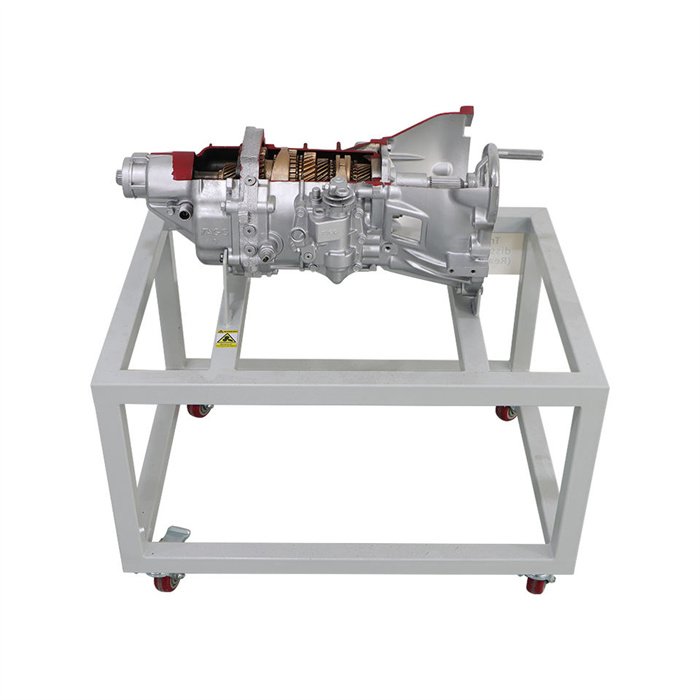
The Automotive Transmission Trainer extends practical mechanical training from the engine to the transmission system, with a focus on transmission structure, power transmission, gear operation, inspection, maintenance, and troubleshooting.
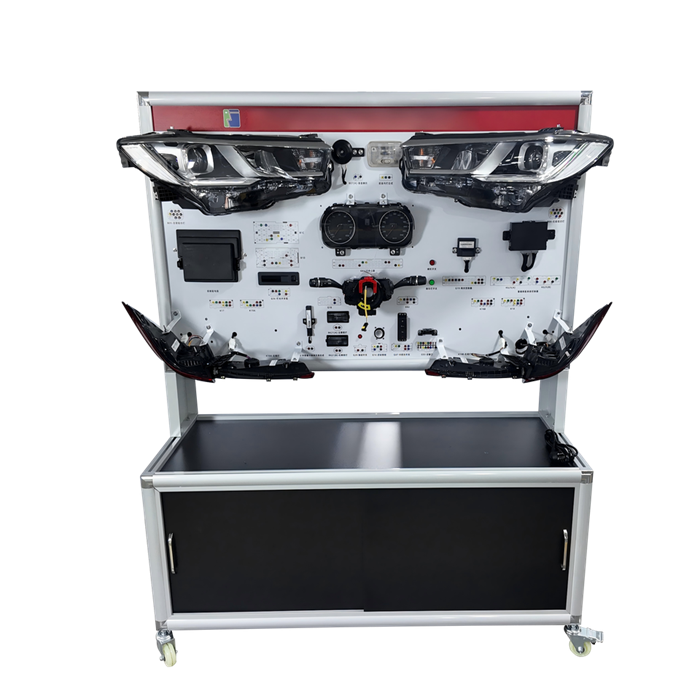
The Automotive Engine Trainer complements disassembly training with broader engine-system training, allowing practical work to extend into engine operation, system inspection, measurement, maintenance, and troubleshooting.
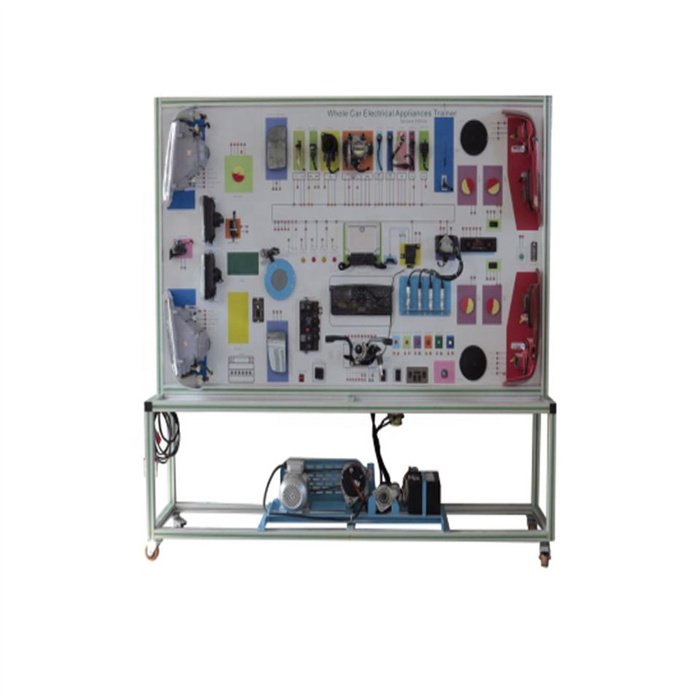
This training board focuses more specifically on gasoline engine electronic control, including control circuits, sensor and actuator relationships, electrical testing, and applicable diagnostic training.