Diesel Engine Trainers
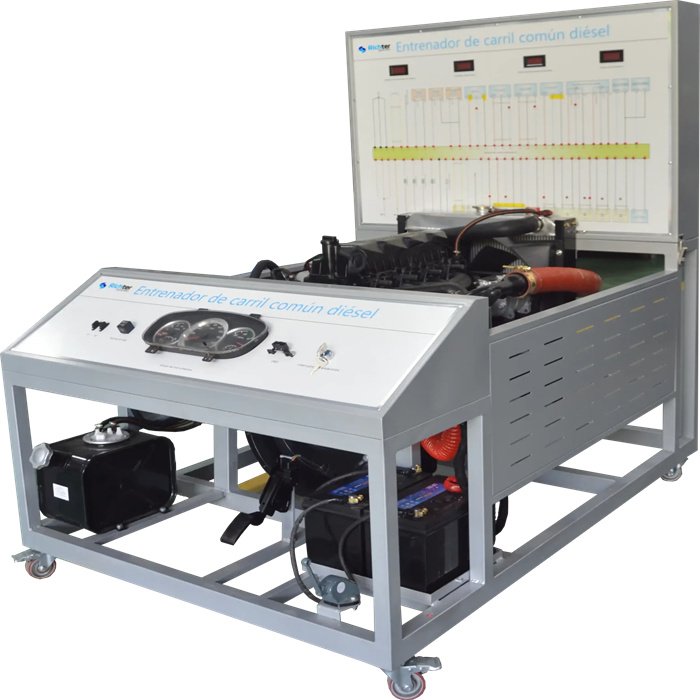
The Diesel Engine Trainers provide a practical platform for studying diesel engine structure, operating principles, engine systems, maintenance procedures, and related diagnostic training. The trainer can be configured around different diesel engine systems and training requirements, allowing key components and operating relationships to be presented in an accessible training format.
Price: approximately US$4,430–5,640 / set
Diesel Engine Systems & Training Functions
The Diesel Engine Trainers can be configured with different engine platforms, mechanical systems, electrical/electronic controls, measurement interfaces, and diagnostic functions according to training requirements.
1. Engine Platform & Mechanical Systems:Includes the selected diesel engine structure, major components, system arrangement, and specified maintenance access.
2. Fuel Injection & Engine Systems:Configures the selected fuel supply and injection system, with other engine systems included according to the approved configuration.
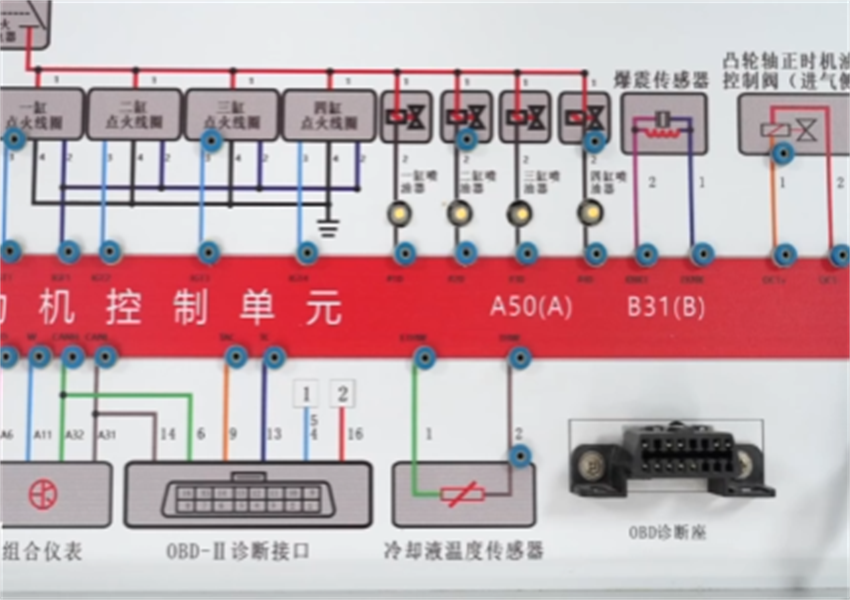
3. Electrical & Electronic Control:Includes configured sensors, actuators, electrical circuits, and electronic control functions where applicable.
4. Test Points & Measurement:Provides specified test points, connectors, or inspection locations for practical measurement and system checking.
5. Maintenance & Troubleshooting:Supports component inspection, maintenance procedures, and troubleshooting tasks based on the selected systems.
6. Diagnostic & Fault Training:Diagnostic interfaces and fault-training functions can be added where required by the training program.
7. Training Configuration Scope:Configuration can be specified from basic engine-system training to electrical, measurement, diagnostic, and fault-training applications.
From Engine Operation to Troubleshooting: Practical Training Workflow
The Diesel Engine Trainers support practical training from system identification and inspection to measurement, troubleshooting, and verification. Specific tasks depend on the selected engine platform, control system, test-point configuration, diagnostic functions, and fault-training requirements.
1. Identify the System & Components
Identify the target system and locate configured components such as fuel injection, common rail, injectors, turbocharger, EGR, sensors, ECU, fuel lines, and electrical connectors, where applicable.
2. Inspect the System Condition
Perform specified visual, mechanical, electrical, and connection checks to identify system or component abnormalities.
3. Measure at Defined Test Points
Use configured test terminals, connector pins, or diagnostic interfaces to measure specified electrical signals and system parameters, including applicable voltage, resistance, current, frequency, waveform, rail pressure, or oil pressure.
4. Analyze the Results
Compare measurement results, available live data, diagnostic information, and specified values to identify the possible fault location and cause.
5. Perform Troubleshooting or Maintenance
Carry out specified circuit checks, component inspection, system testing, adjustment, or maintenance procedures according to the identified fault.
6. Verify the Repair Result
Retest the relevant system after troubleshooting or maintenance and verify that the specified operating condition has been restored. Where configured, recheck
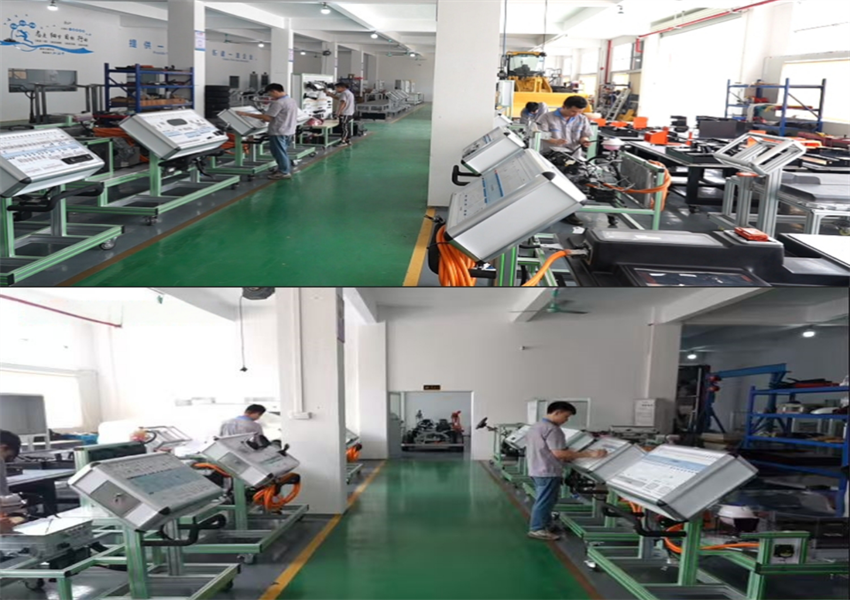
Custom Diesel Engine Trainers
HS can customize the trainer based on the selected diesel engine platform, engine systems, training requirements, diagnostic functions, and laboratory conditions. Specific configurations are confirmed according to project requirements.
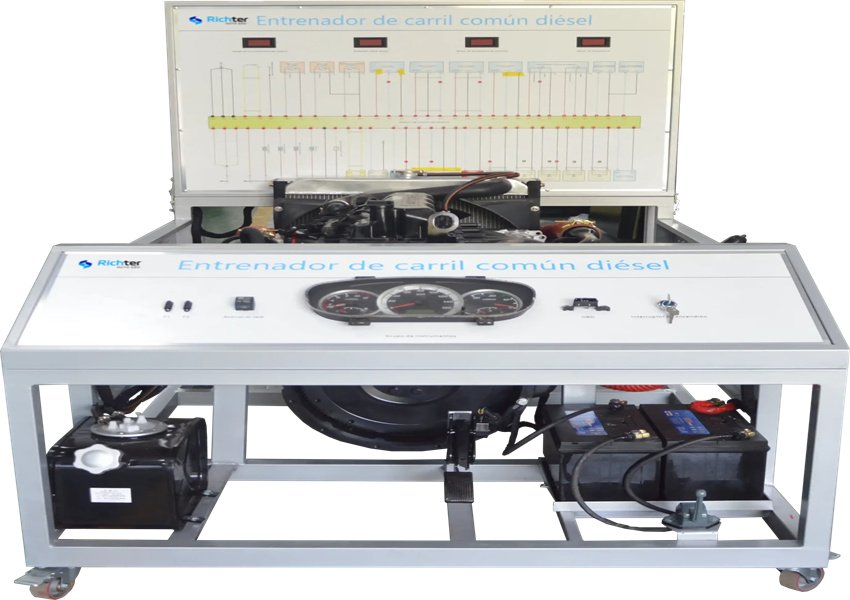
Diesel Engine Platform
Specify the required diesel engine platform, engine type, control system, and applicable engine configuration according to the intended training curriculum.
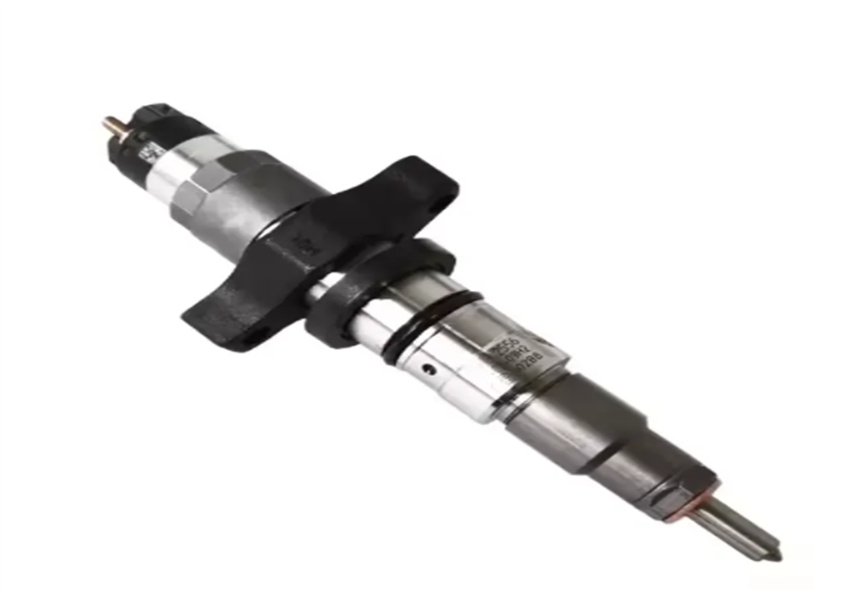
Fuel Injection & Diesel Engine Systems
Configure the required fuel injection system and other selected diesel engine systems, such as air intake, cooling, lubrication, electrical, or control systems, according to the training scope.
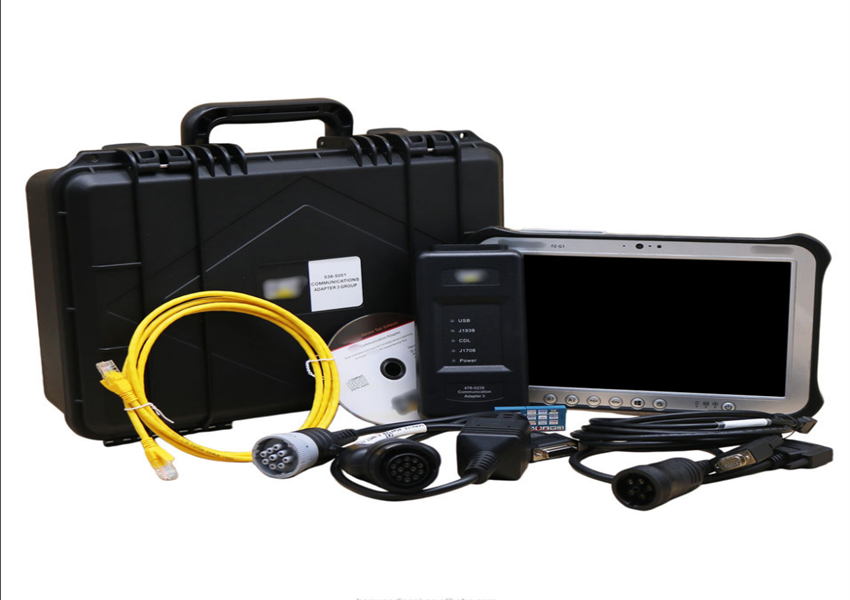
Diesel Engine Control & Diagnostic Configuration
Where required, configure the applicable ECU, sensors, actuators, diagnostic interfaces, and related electronic control or diagnostic functions according to the selected engine platform.
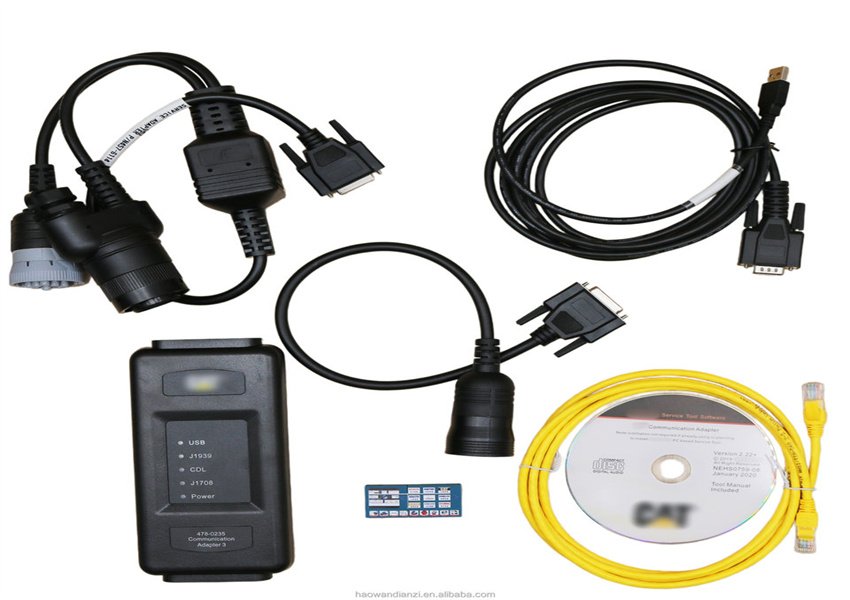
Measurement & Inspection Interfaces
Specify required test points, inspection locations, connectors, and measurement interfaces according to the selected engine systems and practical training tasks.
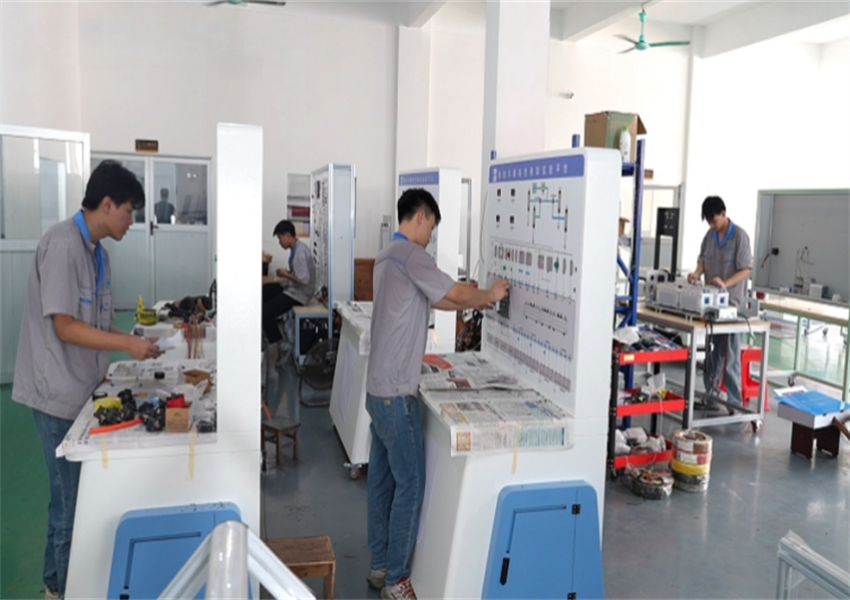
Fault Training Functions
Where required, configure fault-training functions around selected diesel engine systems and troubleshooting exercises. Applicable fault types and training methods are confirmed during technical review.
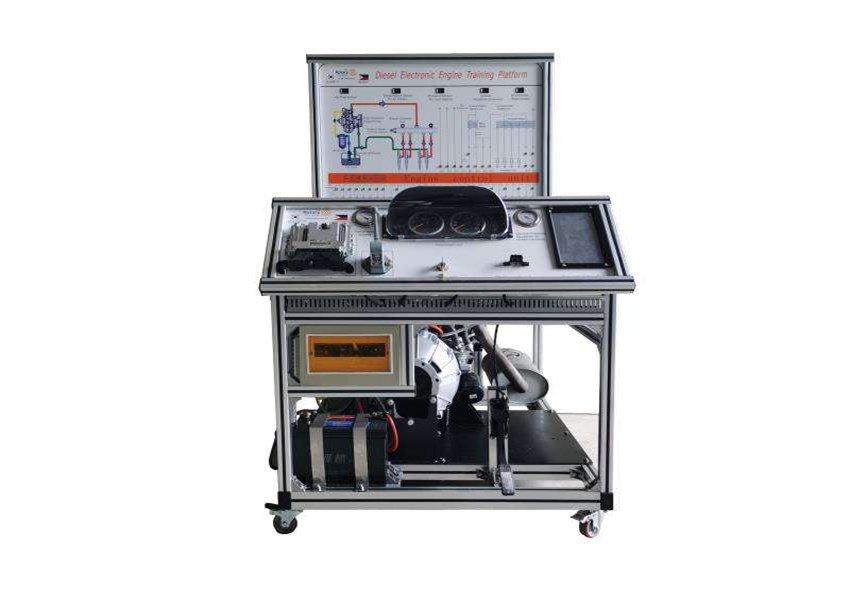
Trainer Structure & Layout
Customize the trainer structure, component arrangement, panel layout, operating area, diagram language, and other physical requirements according to the laboratory environment and training workflow.
Diesel Engine Trainers Price & Cost Factors, Lead Time, Shipping & Installation
Price
The Diesel Engine Trainers price is approximately US$4,430–5,640/set. Final quotation depends on the selected engine platform, system configuration, components, training functions, diagnostic interfaces, customization requirements, and order quantity.
Lead Time
Production is scheduled after technical requirements, equipment configuration, and customization details are confirmed. Standard configurations: approximately 20–25 working days. Custom configurations: final lead time is confirmed after technical review and design approval; typically 30–45 working days depending on system configuration and project complexity.
Pre-Shipment Inspection
Before shipment, each trainer undergoes factory pre-assembly and complete functional testing to verify the confirmed configuration, system connections, test points, and specified training functions.
Shipping & Delivery
Standard delivery includes export-grade wooden crate packaging suitable for international transportation. Shipping time is approximately 10–30 days, depending on the transportation method and destination.
HS can arrange:
Sea freight for larger trainers, laboratory projects, or bulk shipments; it is generally more economical for heavier equipment but has a longer transit time.
Air freight is suitable when faster delivery is required, offering shorter transit time with higher transportation costs.
Express delivery is suitable for smaller or urgent shipments, accessories, spare parts, or related materials; door-to-door service may be available depending on the destination.
The actual shipping schedule is confirmed according to the selected transportation method and delivery destination.
Installation & Technical Support
Installation requirements depend on the selected trainer configuration and laboratory conditions. HS provides operation manuals, training materials, videos, and technical support for installation, operation, and training use. For customized projects, installation requirements and the technical support scope can be confirmed before shipment. On-site installation support can be arranged upon request for larger laboratory projects.
Send Your Inquiry Today
FAQ About Diesel Engine Trainers
1. What is the difference between a Diesel Engine Trainer and a Diesel Engine Electronic Control Trainer?
A Diesel Engine Trainer can be configured for broader engine structure, operating principles, engine systems, maintenance, and related practical training. A trainer focused specifically on electronic control is more suitable when the curriculum is centered on ECU functions, electrical circuits, sensors, actuators, and electronic diagnosis.
2. What should buyers consider when selecting a Diesel Engine Trainer?
The main considerations are the required engine platform, training systems, practical tasks, measurement requirements, diagnostic level, laboratory space, and whether customization is needed. These factors should be confirmed before the equipment configuration is finalized.
3. Can the trainer cover both engine structure and practical maintenance training?
Yes. Where the selected configuration includes the relevant engine systems and accessible components, the trainer can support training that connects engine structure, system operation, inspection, and maintenance procedures.
4. Can electrical and electronic systems be included in a Diesel Engine Trainer?
They can be included where required by the selected engine platform and training objectives. The applicable electrical components, sensors, control systems, test points, and interfaces should be confirmed during configuration.
5. Can diagnostic functions be added to the trainer?
Yes, where supported by the selected engine system and required by the training program. Diagnostic interfaces and related functions can be confirmed during technical review.
6. Can the trainer be customized for a specific diesel engine?
Yes. HS can customize the trainer around a specified diesel engine platform, engine systems, components, measurement interfaces, diagnostic requirements, and trainer layout according to the project requirements.
7. Is a Diesel Engine Trainer suitable for courses at different training levels?
Yes. The configuration can be matched to the intended training depth. Basic configurations can focus on engine structure, system identification, and operating principles, while more advanced configurations can incorporate measurement, maintenance, troubleshooting, and specified diagnostic tasks.
8. What information should be provided for a customized Diesel Engine Trainer?
For a customized project, it is useful to specify the required engine platform, training systems, practical tasks, measurement or diagnostic requirements, desired trainer layout, and laboratory conditions. HS can then review the requirements and confirm the applicable configuration.
Related Automotive Training Equipment
A Diesel Engine Trainer can serve as the engine-focused part of a broader automotive training laboratory. The most useful complementary equipment depends on whether the curriculum needs to expand into gasoline engine electronics, general automotive electrical systems, or vehicle-level diagnosis.
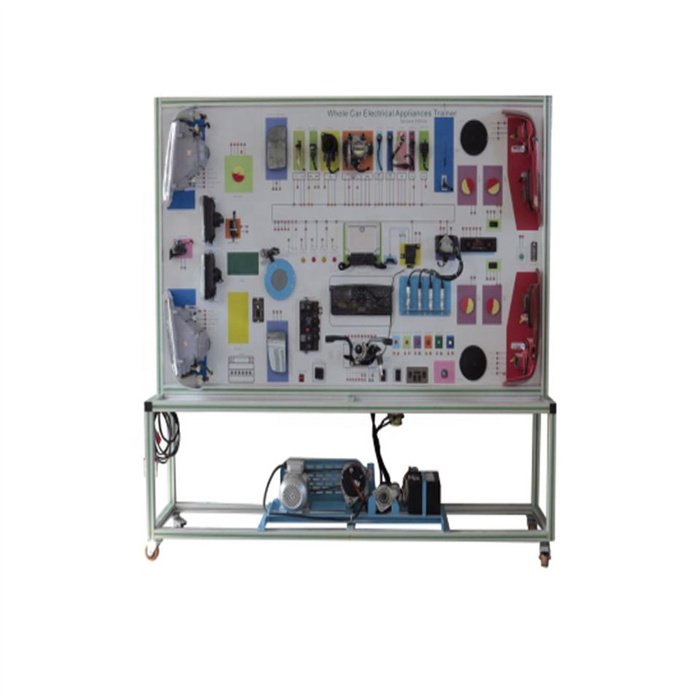
Complements diesel engine training with focused training on gasoline engine electronic control, ECU-related circuits, electrical measurement, and electronic troubleshooting.
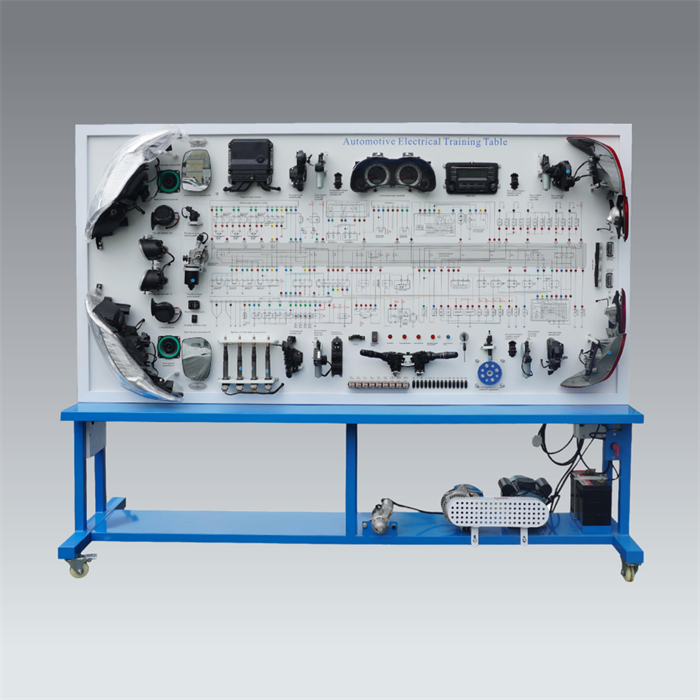
Adds broader automotive electrical training beyond the electrical systems associated with the diesel engine platform, including general circuits, electrical components, and measurement tasks where configured.
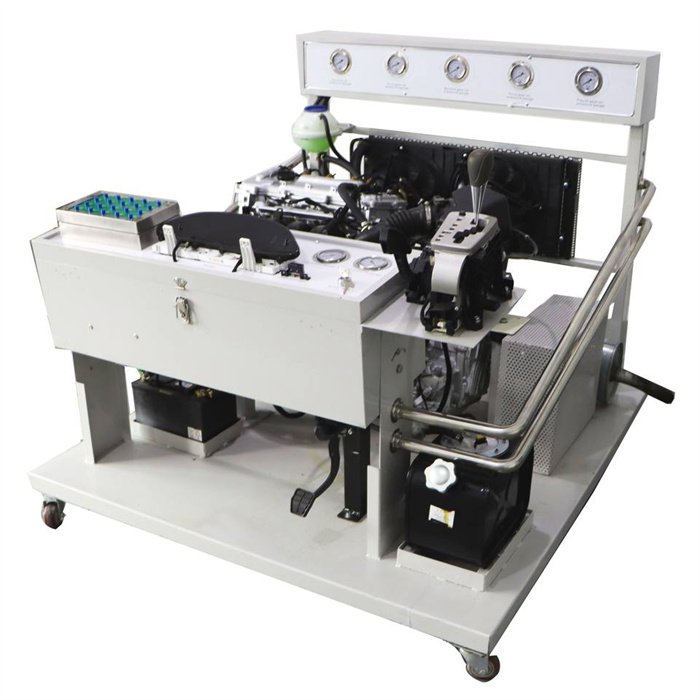
Extends engine-focused troubleshooting into broader vehicle diagnostic procedures when the curriculum requires training beyond individual engine systems.