Automotive Cutaway Models
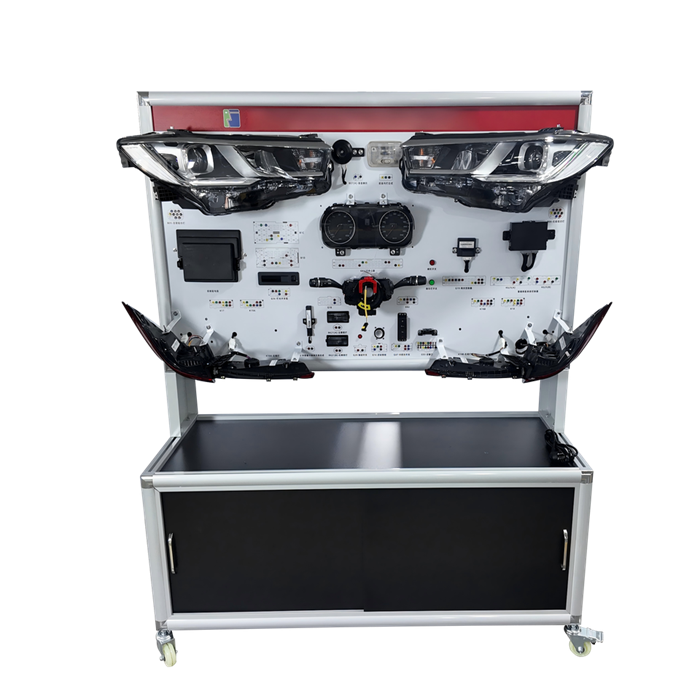
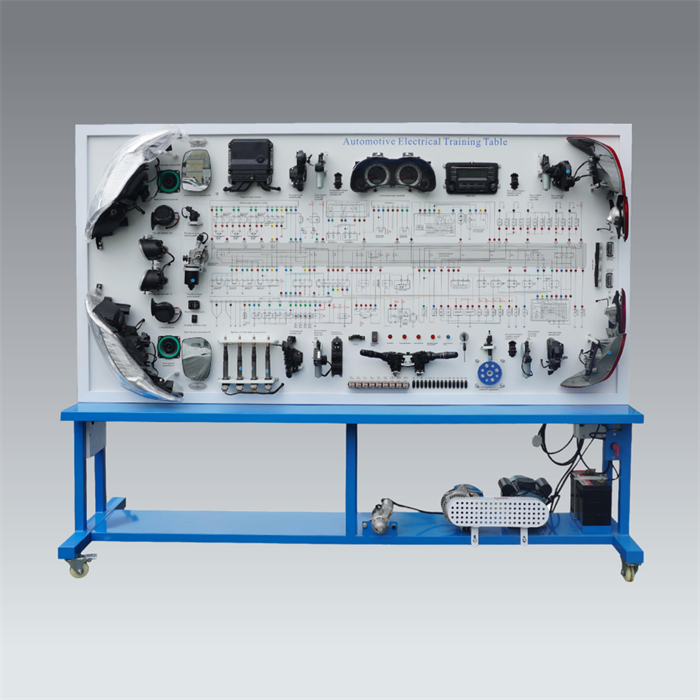
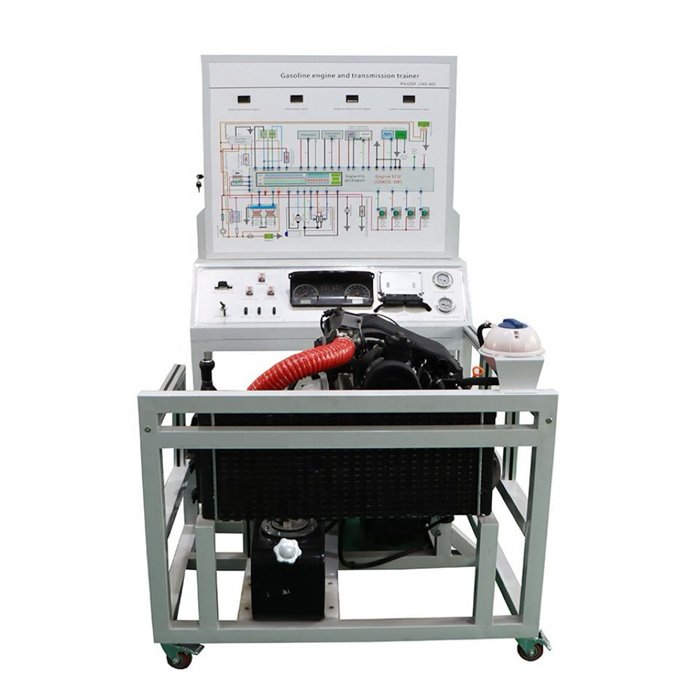
The Automotive Cutaway Models expose key internal structures of automotive components, making component relationships, mechanical mechanisms, and operating principles visible for classroom teaching.
Reference Price: approximately US$14,767–34,455/set.
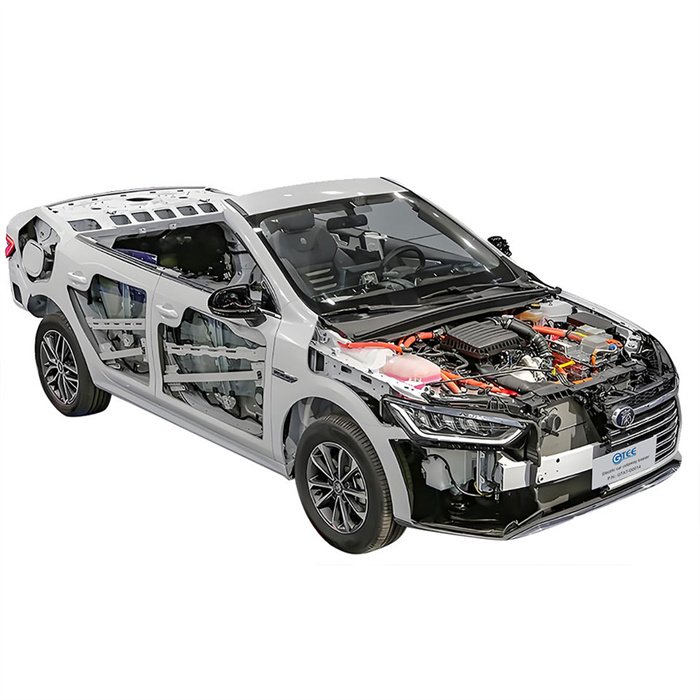
Automotive Cutaway Models Types
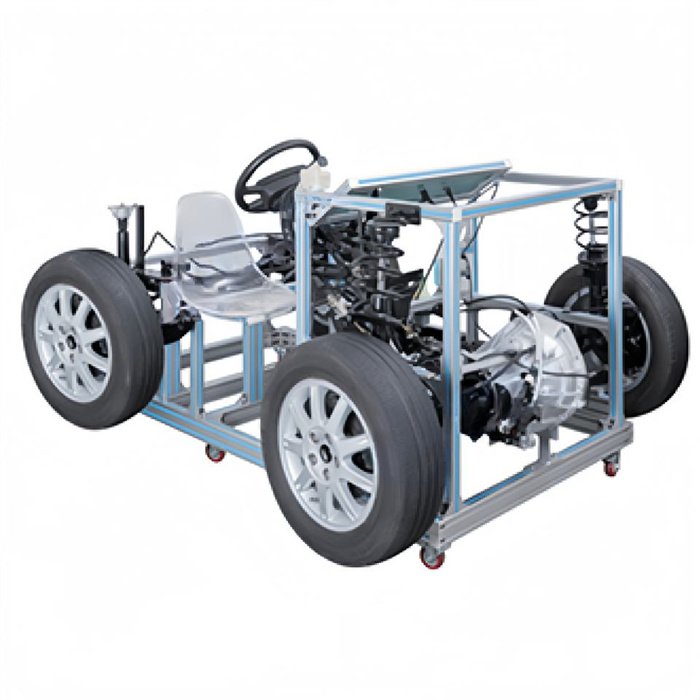
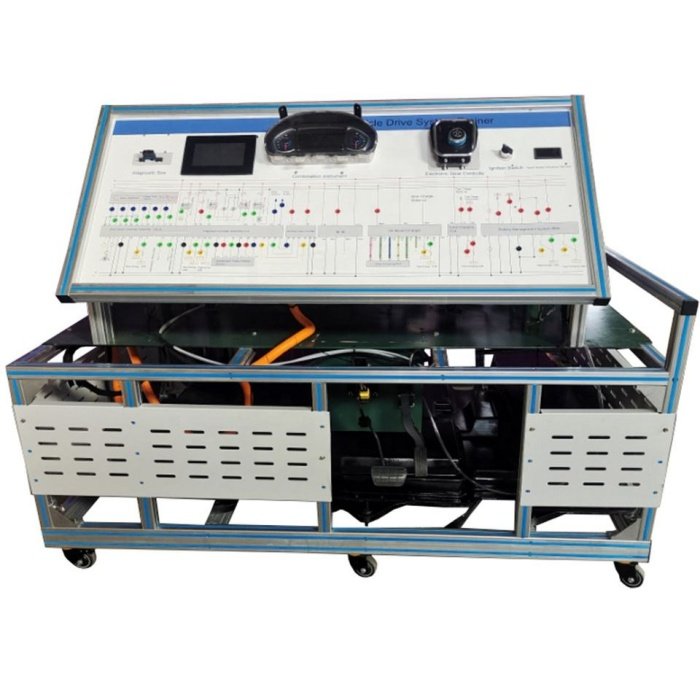
Automotive Chassis Trainers can be configured in different forms because not every training program needs the same level of chassis coverage. A basic platform may focus on component structure and mechanical principles, while a more advanced system can combine multiple chassis subsystems and support dynamic demonstrations or diagnostic exercises.
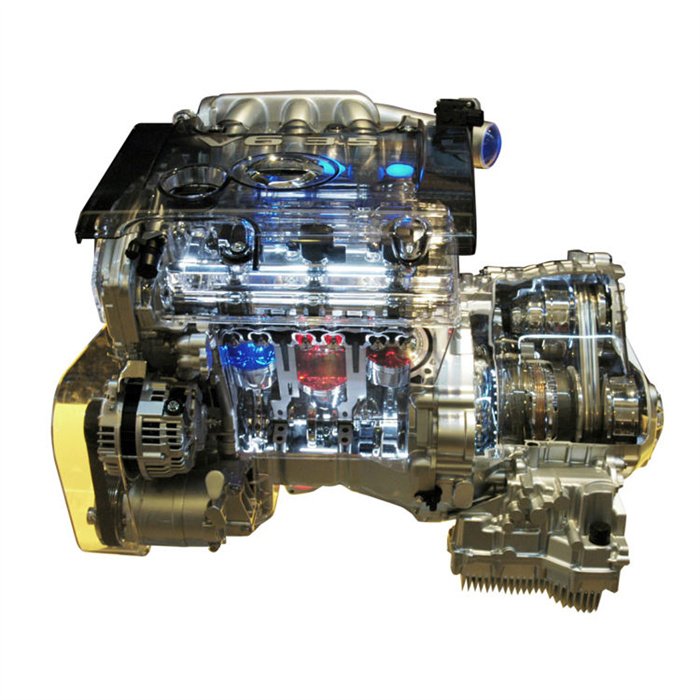
Engine Cutaway Models
Designed to expose selected engine components and internal structures for teaching engine construction, component relationships, and mechanical operation.
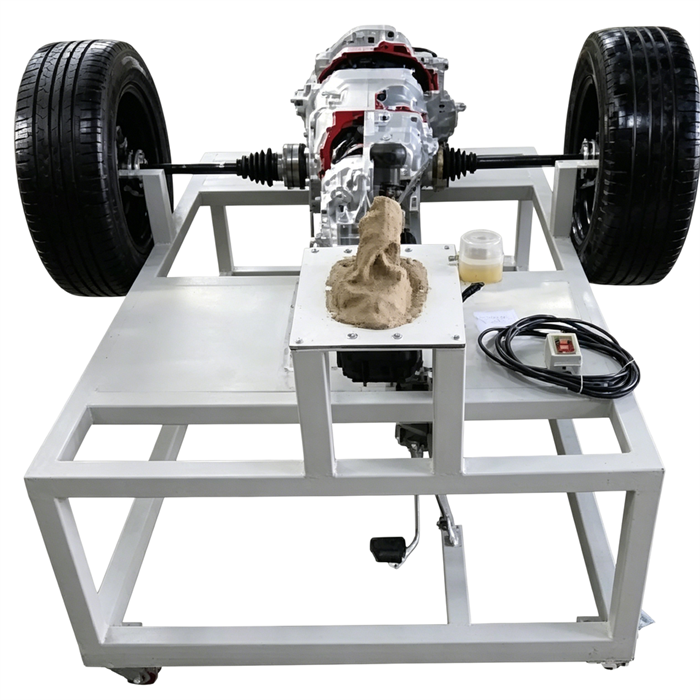
Transmission Cutaway Models
Used to demonstrate gears, shafts, clutches, transmission paths, and other internal mechanisms according to the selected transmission model.
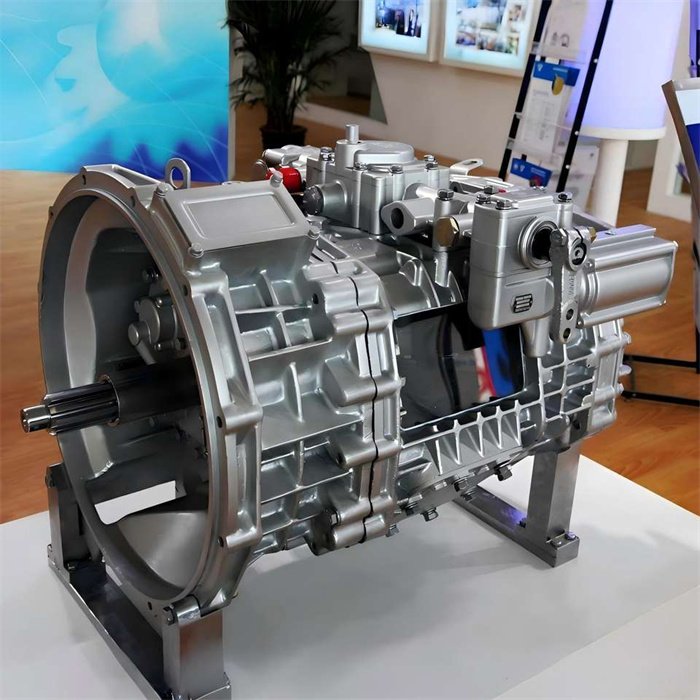
Differential & Drivetrain Cutaway Models
Make internal gear arrangements and power transmission relationships easier to observe and explain.
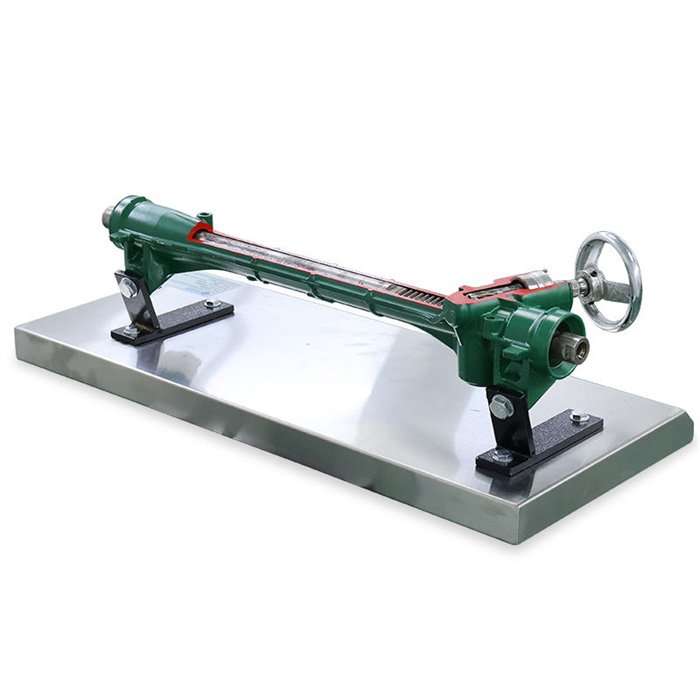
Steering & Suspension Cutaway Models
Used to demonstrate component structures, mechanical connections, and movement relationships within selected steering or suspension assemblies.
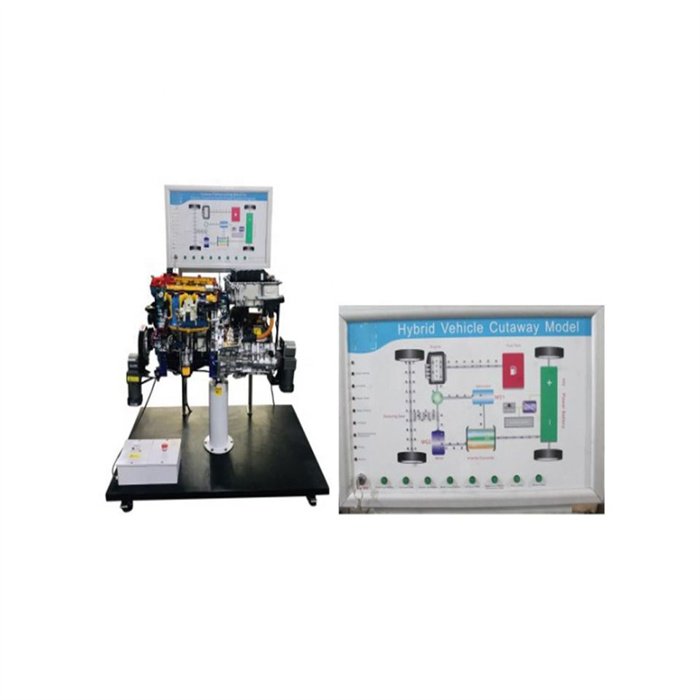
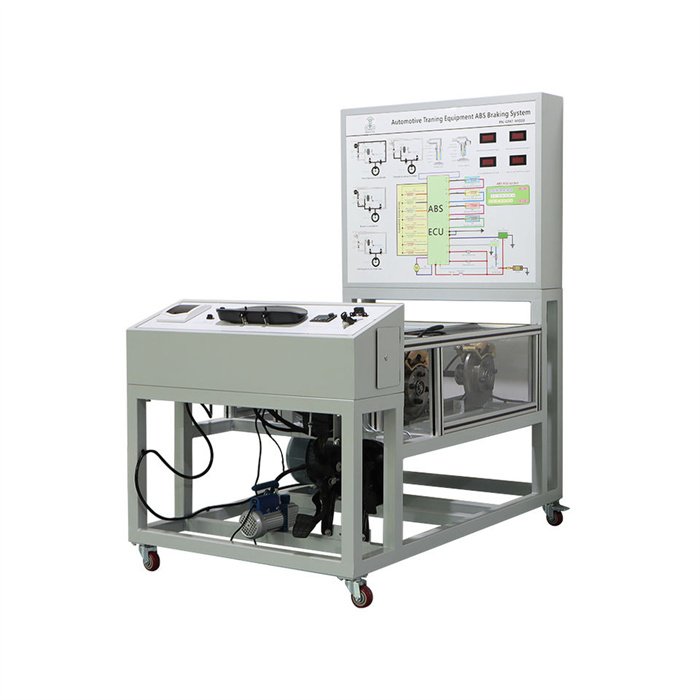
Brake System Cutaway Models
Help students understand brake component structures and force or hydraulic transmission within the selected system.
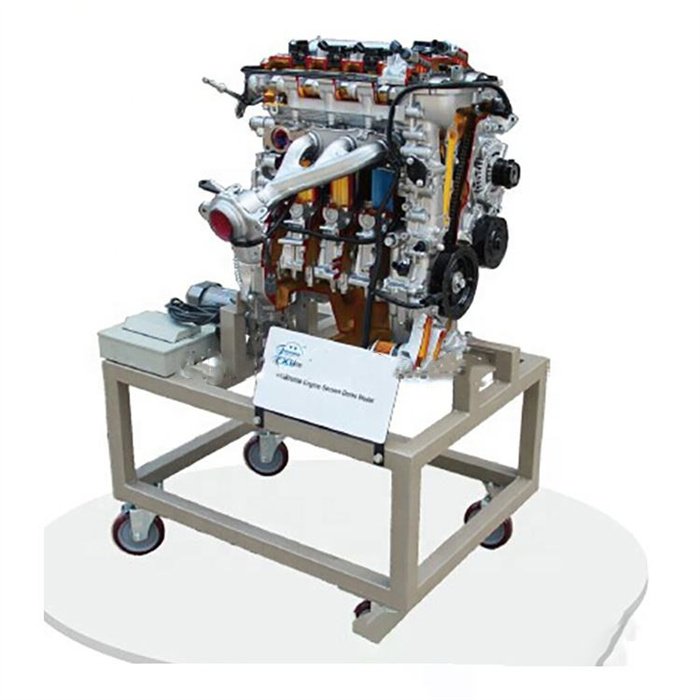
Automotive Component Cutaway Models
Can focus on individual components or mechanisms that require clear internal-structure teaching, depending on the training program.
Automotive Cutaway Models Training Functions
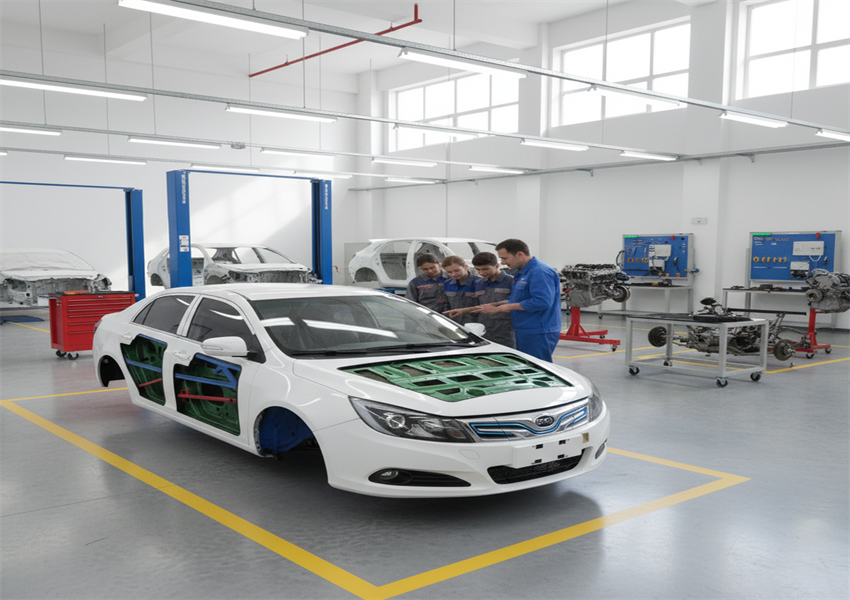
1. Internal Structure Training: Reveals normally hidden components such as gears, shafts, bearings, valves, and internal passages for direct structural identification.
2. Component Relationship Analysis: Shows the position, connection, and assembly relationship between key components within the selected automotive system.
3. Power Transmission & Movement Demonstration: For models with movable mechanisms, demonstrates how power is transmitted through gears, shafts, linkages, or other mechanical components.
4. Operating Principle Analysis: Connects the visible internal structure with the working principle of the selected component or system, helping students understand how the mechanism operates.
How to Choose the Right Automotive Cutaway Model
1. Match the model to the curriculum: Identify the automotive system or component that students need to understand and select a model that directly supports the relevant course content.
2. Identify the internal structures that need to be visible: Consider whether the teaching objective focuses on gears, shafts, hydraulic passages, mechanical connections, component arrangement, or other internal structures.
3. Consider the required demonstration method: If students need to observe movement or operating sequences, choose a model with the corresponding movable or operating mechanism where applicable.
4. Match the model to the student level: Basic programs may prioritize clear component identification and structural understanding, while advanced programs may require more detailed internal mechanisms and operating relationships.
5. Check classroom space and viewing requirements: Confirm the model dimensions, installation or mounting requirements, viewing angles, operating area, and available teaching space before ordering.
6. Consider long-term teaching value: For schools building a complete automotive laboratory, select models that complement existing engine, transmission, chassis, electrical, and diagnostic training equipment rather than duplicating the same teaching function.
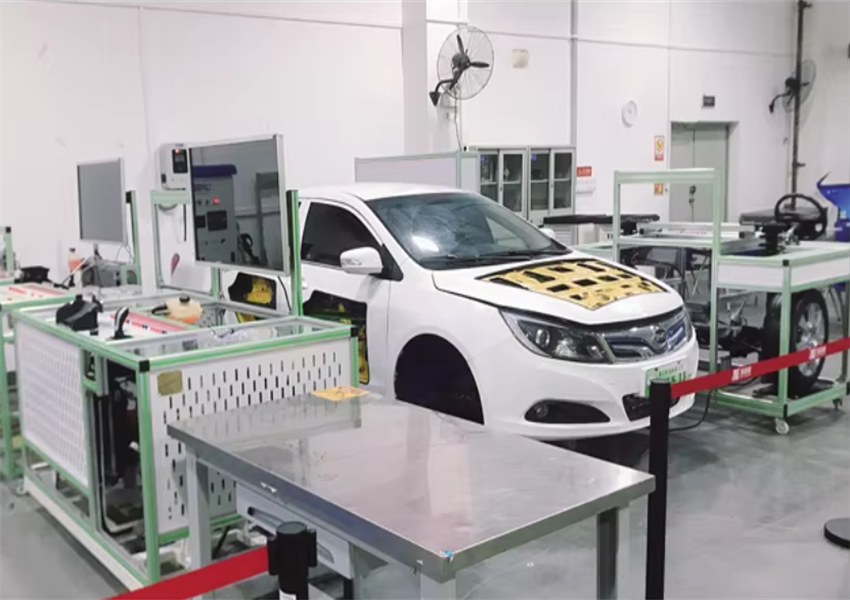
Custom Automotive Cutaway Model Solutions
HS develops Custom Training Equipment for projects requiring specified automotive components, internal structures, cutaway sections, demonstration mechanisms, appearance, or teaching configurations. Final configuration, price, and lead time are confirmed after technical review.
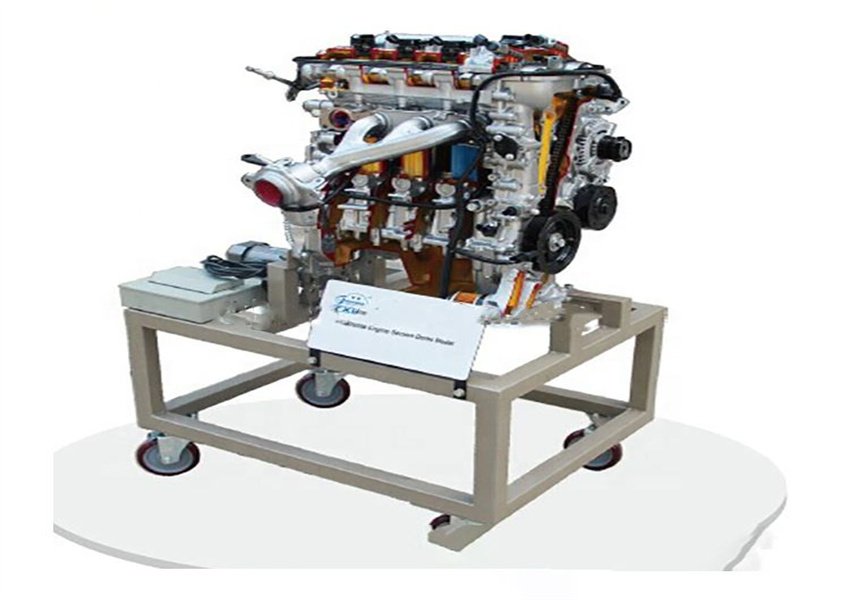
Automotive Component & System Selection
Specify the required engine, transmission, drivetrain, steering, suspension, braking system, or individual automotive component to match the intended teaching subject.
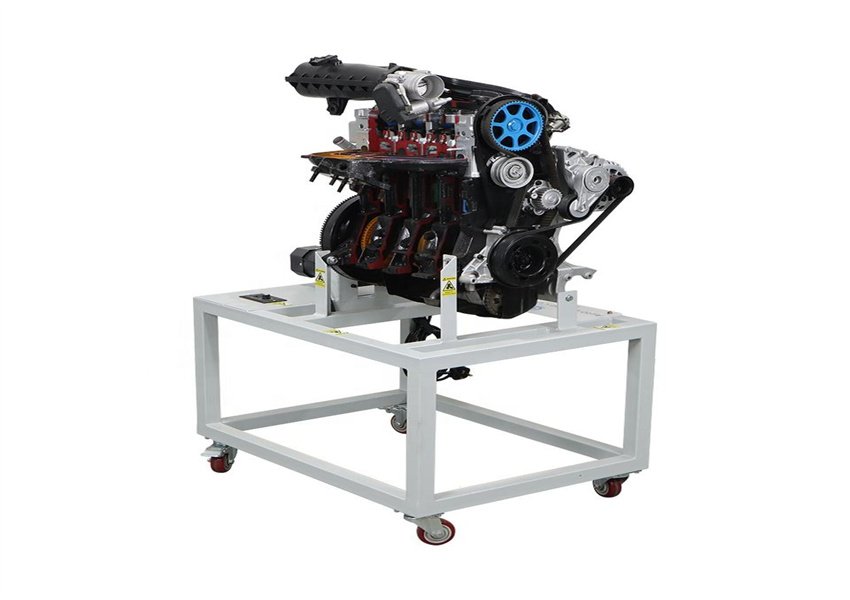
Cutaway Structure & Internal Component Configuration
Customize the cutaway areas and exposed internal components to clearly show gears, shafts, bearings, valves, passages, assemblies, and other structures that need to be visible.
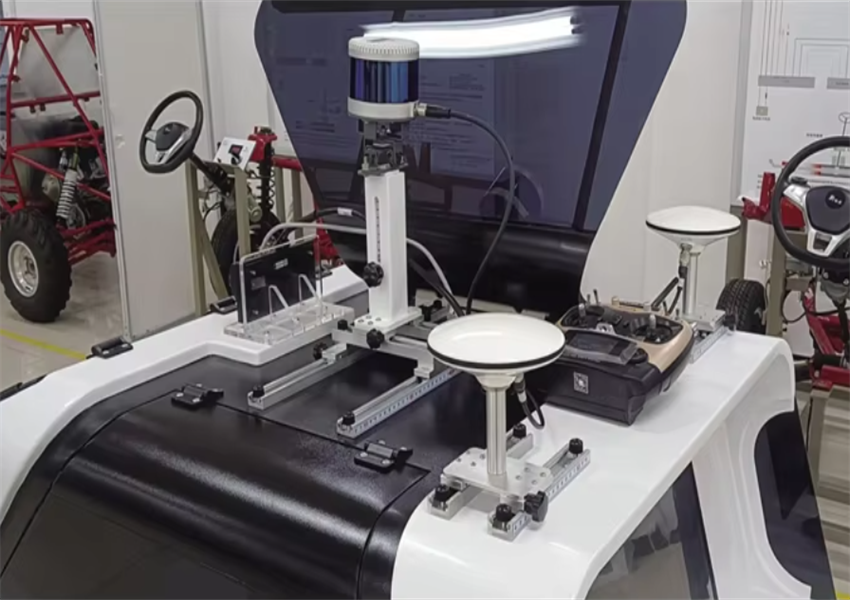
Mechanical Movement & Demonstration Functions
For models requiring mechanical operation, configure movable components and demonstration mechanisms to show gear engagement, power transmission, component movement, or other selected operating processes.
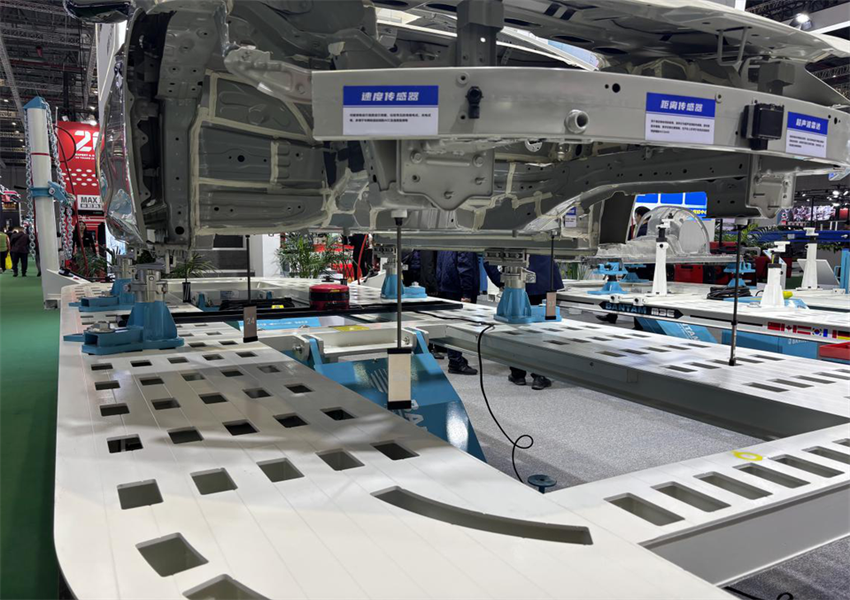
Model Structure, Base & Visual Layout
Customize model dimensions, base or frame structure, component arrangement, viewing angles, identification panels, labels, graphics, and language to suit the training space and teaching requirements.
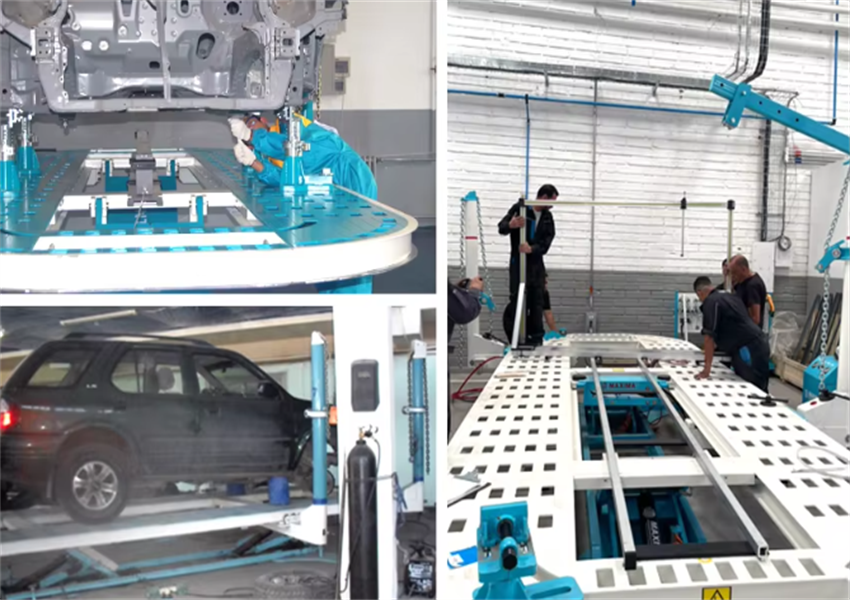
OEM/ODM & Project Support
HS can provide OEM/ODM development for specified cutaway models, including product design, branding, documentation, packaging, and multi-unit project coordination. Installation guidance, training materials, and spare parts can be discussed according to project requirements.
Quality Control & Performance Testing
Each Automotive Cutaway Model is factory-tested before shipment to verify compliance with the approved configuration and technical specifications.
1. Structural & Assembly Verification: Cutaway sections, mounting points, component fixation, base or frame structure, and movable assemblies are checked for secure installation and stable use.
2. Internal Structure Verification: The exposed components and structural relationships are checked against the approved teaching design to ensure the required areas are clearly presented.
3. Demonstration Function Testing: Models with movable or operating mechanisms are tested for specified movement, transmission, or demonstration functions.
4. Safety & Stability Testing: Stability, exposed structures, moving parts, mechanical connections, and applicable safety features are inspected according to the selected configuration.
5. Final Configuration Verification: Before packaging, each unit is checked against the approved configuration, order requirements, technical specifications, and functional checklist.
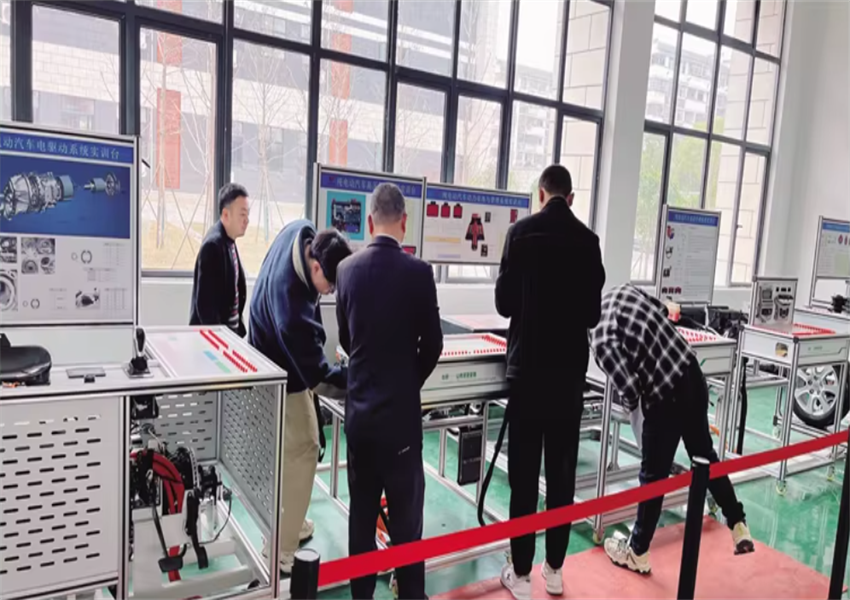
Automotive Cutaway Models Price, Lead Time & Delivery
Price
The Automotive Cutaway Models price is approximately US$14,767–34,455/set. This is a reference price range for the equipment; the final quotation is confirmed according to the selected model and project requirements.
The main factors affecting the final price include:
- Selected automotive component or system — Different engine, transmission, drivetrain, steering, suspension, braking, or component models require different structures and preparation work.
- Cutaway structure — The number and complexity of internal sections to be exposed affect processing and assembly requirements.
- Demonstration functions — Models with movable or operating mechanisms may require additional mechanical components and adjustment.
- Customization requirements — Special dimensions, structural layouts, identification panels, branding, language, and other project-specific requirements can affect the quotation.
- Order quantity — Pricing can be adjusted according to the total quantity and project configuration.
Lead Time
Production is scheduled after the technical requirements, model configuration, and order details are confirmed. For custom projects, HS confirms the final production schedule after technical review and design approval.
This approach is particularly important for customized cutaway models because the production time depends on the selected component, cutaway design, internal structure processing, and any required demonstration mechanism.
Pre-Shipment Inspection
Before shipment, the completed model undergoes factory pre-assembly and functional verification according to the confirmed configuration.
HS checks the main component installation, exposed internal structures, model assembly, structural stability, and specified movable or demonstration functions where applicable before the equipment is prepared for shipment.
Shipping & Delivery
The finished equipment is secured with export-grade packaging suitable for international transportation. Shipping time is approximately 10–30 days, depending on the transportation method, destination, shipment size, and logistics arrangement.
HS can arrange different transportation methods according to the project:
- Sea Freight — Suitable for large equipment and multiple-unit orders, with a focus on economical transportation.
- Air Freight — Suitable when a shorter transportation time is required.
- Express Delivery — Suitable for smaller shipments, samples, or urgent deliveries where applicable.
The final shipping schedule is confirmed together with the destination and selected transportation method.
Installation & Technical Support
Installation requirements depend on the model structure. Fixed or basic cutaway models may require only positioning and assembly, while models with frames, bases, or movable demonstration mechanisms may require additional installation or adjustment.
HS can provide operation manuals, training materials, instructional videos, and technical support according to the equipment configuration and project requirements. For customized or multi-unit projects, installation guidance and additional technical support can be discussed during project planning.
Send Your Inquiry Today
FAQ About Automotive Transmission Trainers
1. What automotive systems can be shown with cutaway models?
Automotive Cutaway Models can be developed around systems such as engines, transmissions, drivetrains, steering, suspension, braking systems, or individual automotive components. The actual system depends on the selected model.
2. What is the difference between a cutaway model and a complete automotive assembly?
A cutaway model exposes selected internal structures that are normally hidden inside a complete assembly. This makes gears, shafts, valves, bearings, passages, and component relationships easier to observe without full disassembly.
3. Are Automotive Cutaway Models functional or only for display?
It depends on the model configuration. Basic models focus on internal structure observation, while models with movable or operating mechanisms can demonstrate selected mechanical movements or power transmission.
4. Can the cutaway model show real component relationships?
Yes. The cutaway is planned around the original component structure so that selected internal parts and their relative positions can be observed. This allows students to understand how individual components work together within the assembly.
5. Can students use a cutaway model to learn mechanical failure causes?
Yes, where the exposed structure supports such training. Instructors can use visible wear-prone components, mechanical connections, or abnormal conditions to explain how component damage, incorrect assembly, or mechanical wear can affect operation.
6. How should I choose between a complete system model and an individual component model?
Choose a complete system model when students need to understand relationships between multiple assemblies or the overall power flow. An individual component model is more suitable when the training focuses on the internal construction and working principle of one specific component.
7. Can cutaway models be used together with other automotive training equipment?
Yes. They can complement engine trainers, transmission trainers, chassis trainers, diagnostic equipment, and other practical training systems by providing a clear structural reference before students perform hands-on work on functional equipment.
8. Can HS develop a cutaway model based on a specific automotive component?
Yes. HS can develop Custom Training Equipment based on a specified component or system, including the required cutaway sections, exposed structures, movable mechanisms where applicable, dimensions, identification panels, and other project requirements.
Related Automotive Training Equipment