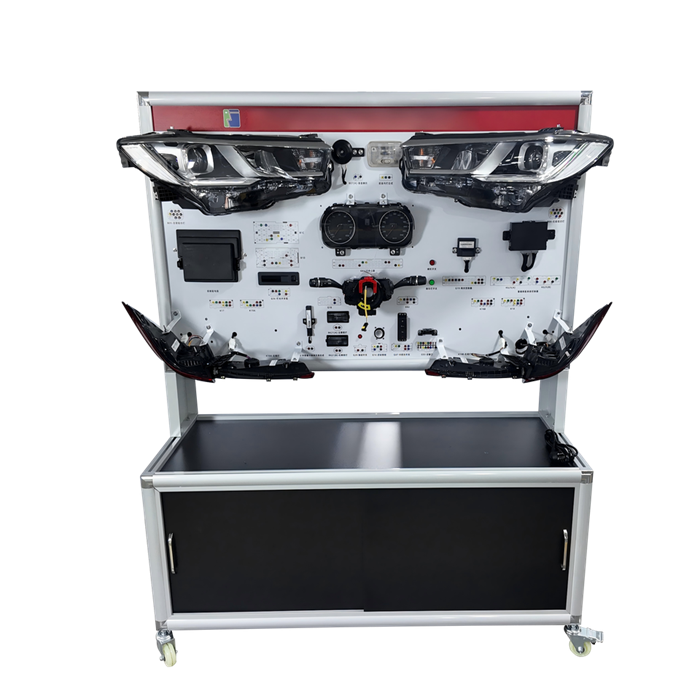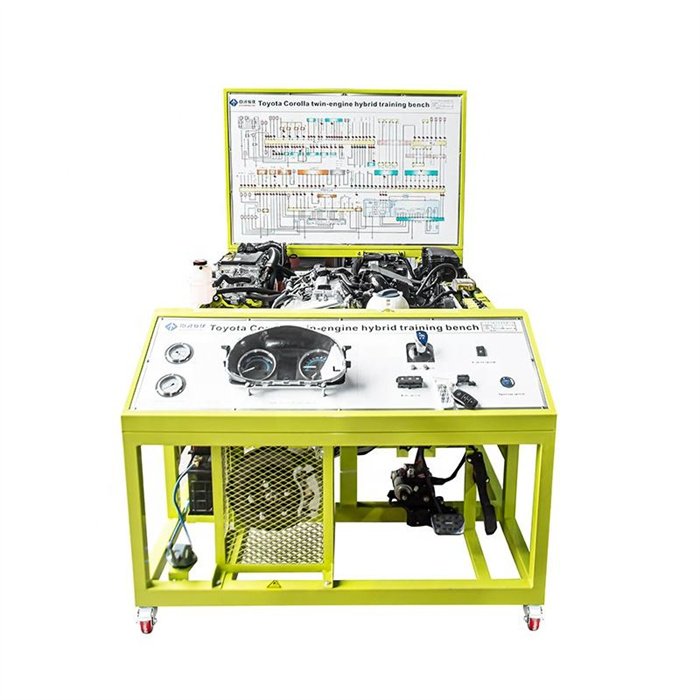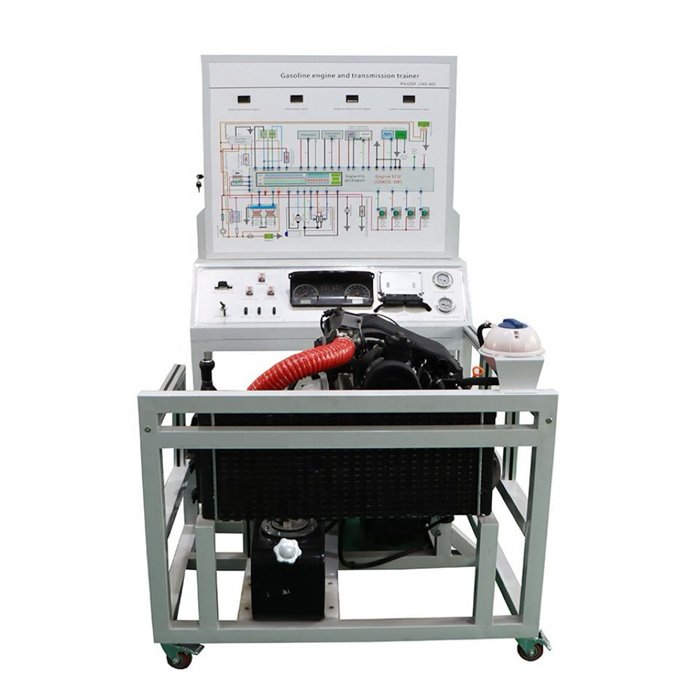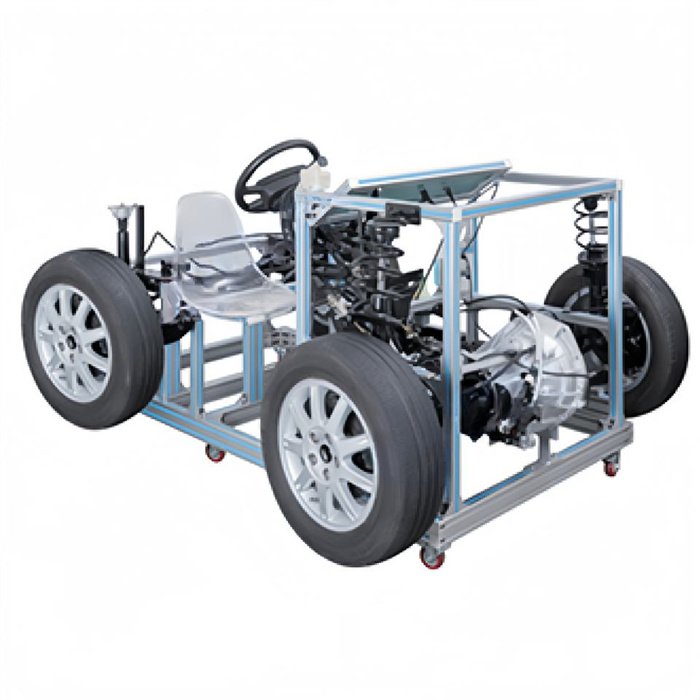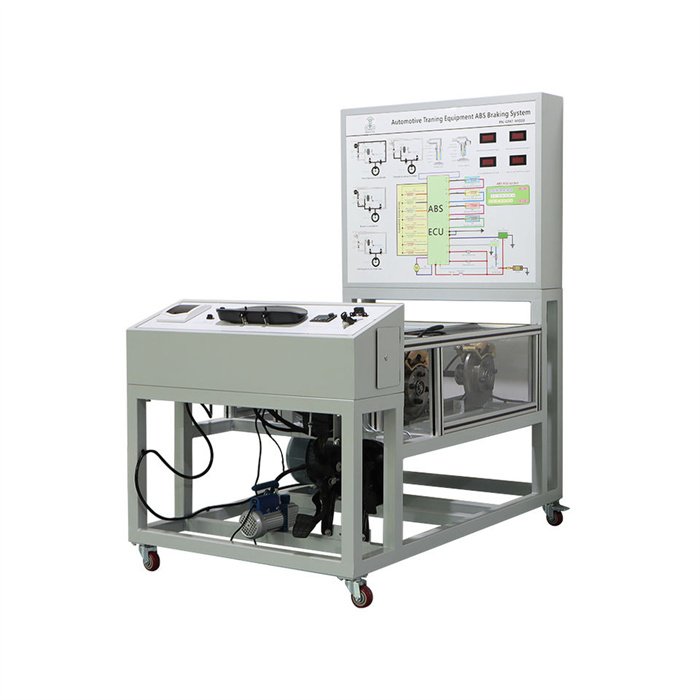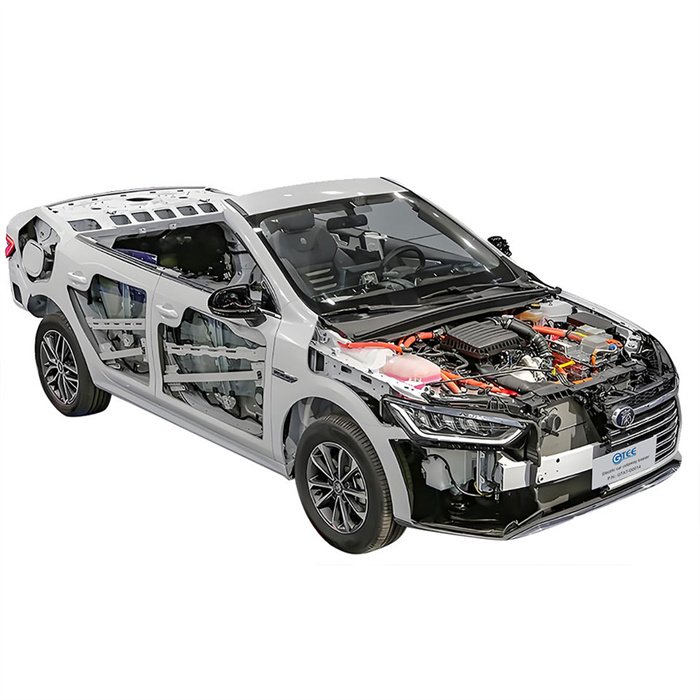
Automotive Electrical Trainer
The Automotive Electrical Trainer is designed for practical training in automotive electrical systems, circuit operation, electrical measurement and fault diagnosis. It can be configured with different automotive electrical systems and training functions according to the requirements of vocational schools, colleges, training centers and automotive education laboratories.
The trainer is suitable for training programs that require practical access to automotive electrical circuits rather than theory-only instruction.
Reference Price: approximately US$1,990–4,970/set.
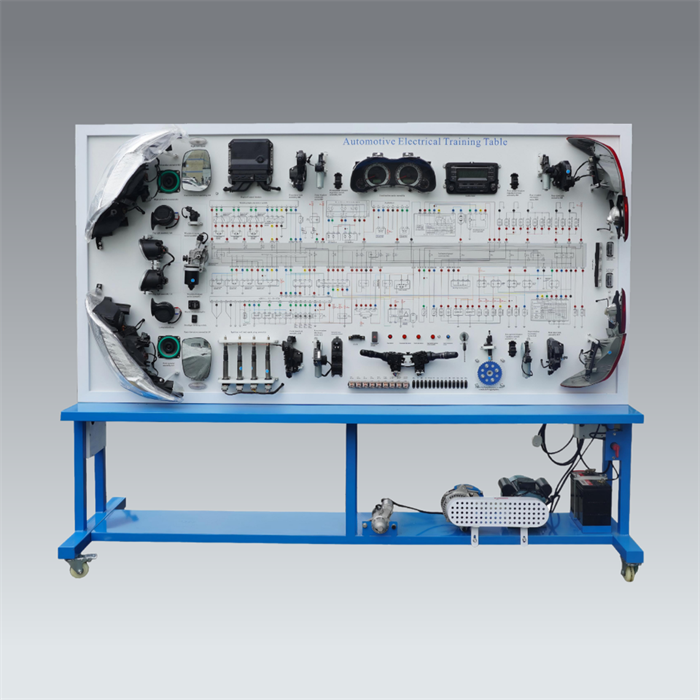
Automotive Electrical Trainer Types
The Automotive Electrical Trainer can be configured for different electrical systems and teaching objectives. The appropriate type depends on the systems to be demonstrated, measured, tested or diagnosed.
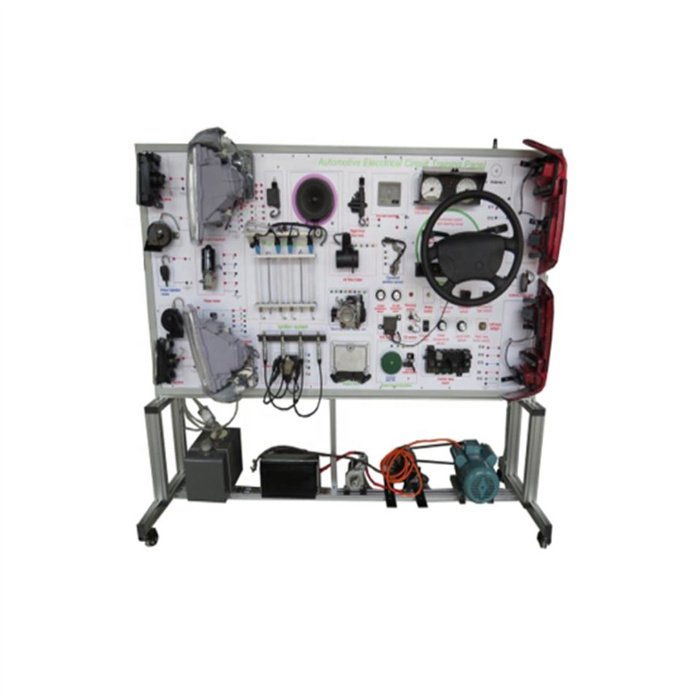
Electrical Circuit Training Trainer
Demonstrates circuit structures, wiring relationships, switches, loads and electrical signal paths.
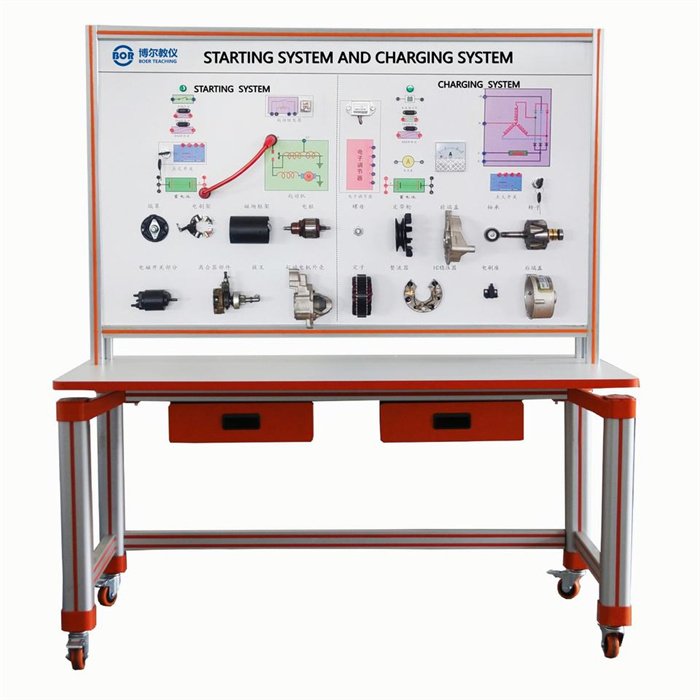
Starting & Charging System Trainer
Demonstrates starting and charging system operation, electrical connections and testing procedures when configured.
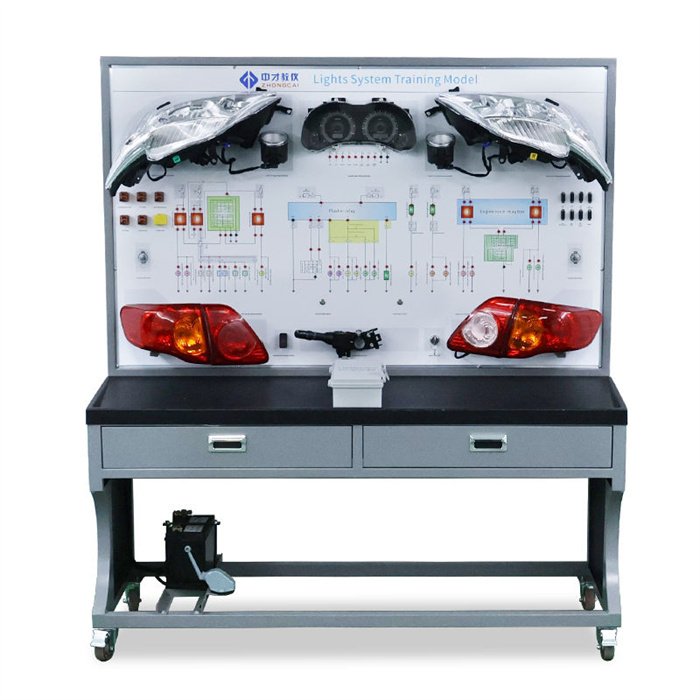
Automotive Lighting & Auxiliary Electrical Trainer
Covers lighting circuits, switches, relays and auxiliary electrical functions.
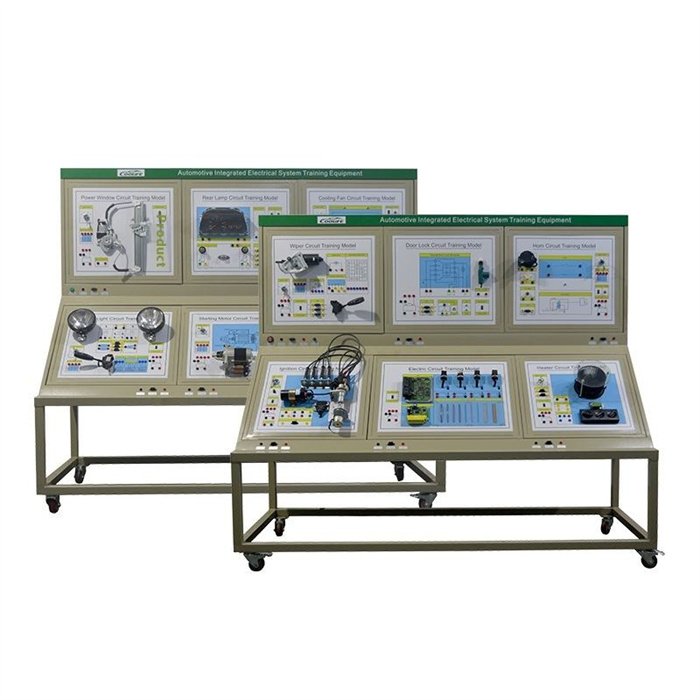
Sensor & Actuator Electrical Trainer
Demonstrates electrical signals, sensor circuits and actuator control when the corresponding components are included.
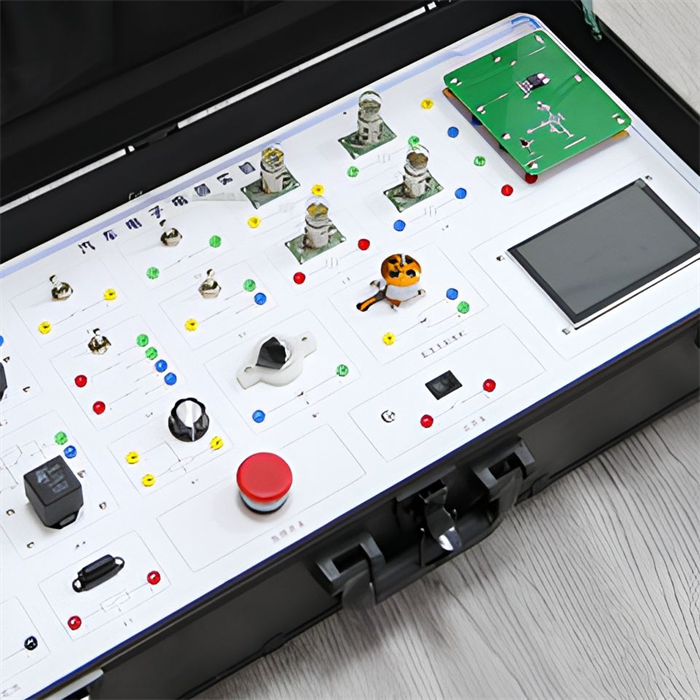
Automotive Electrical Diagnostic Trainer
Supports advanced electrical testing and troubleshooting when diagnostic interfaces and related functions are equipped.
Automotive Electrical Trainer Training Functions
The trainer provides practical access to automotive electrical circuits and electronic systems. Training functions can be configured according to the required curriculum and equipment configuration.
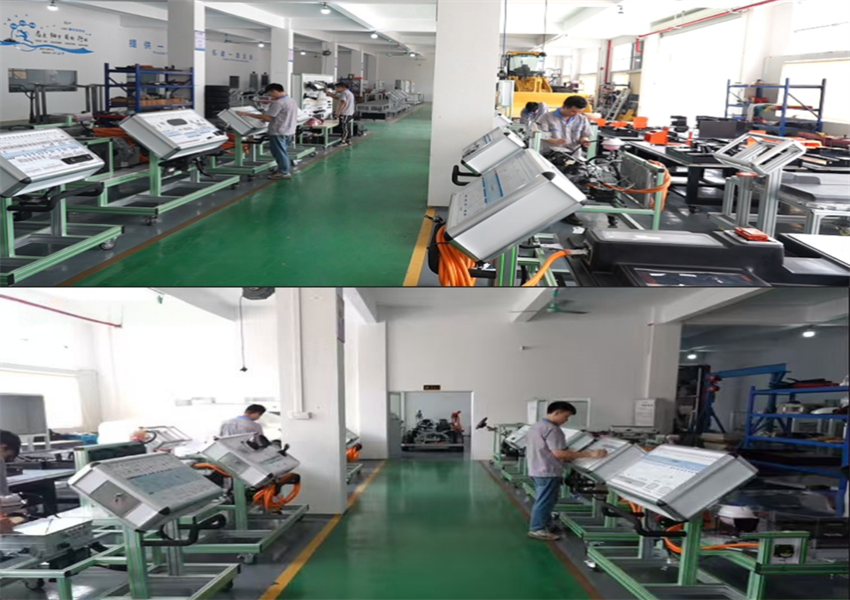
1. Automotive Circuit Operation: Demonstrates circuit structure, operating relationships, power supply, switches, loads and electrical signals.
2. Electrical Measurement: Supports measurement of voltage, resistance, current and electrical signals, depending on the configuration.
3. Sensor & Actuator Testing: Supports sensor signal testing, actuator control and related electrical testing when equipped.
4. Starting & Charging System Training: Demonstrates electrical operation, circuit connections and testing procedures where the corresponding system is equipped.
5. Relay, Switch & Circuit Control: Demonstrates the interaction between switches, relays, loads and control circuits.
6. ECU & CAN Bus Training: Supports ECU communication, CAN signal analysis and electronic diagnostics when the required interfaces are equipped.
7. Fault Diagnosis & Troubleshooting: Supports fault identification, electrical testing, signal analysis and controlled fault simulation when diagnostic or fault-insertion functions are configured.
How to Choose the Right Automotive Electrical Trainer
Choose the Automotive Electrical Trainer according to the electrical systems and practical training tasks required by your curriculum. A trainer with more components is not necessarily a better choice if those components are not needed for the training program.
For Basic Electrical Courses: Prioritize clear circuit layouts, component identification, switches, relays, loads and accessible measurement points.
For Vocational Skills Training: Select equipment that supports repeated circuit testing, electrical measurement and troubleshooting practice.
For Advanced Electrical Diagnostics: Consider diagnostic interfaces, ECU communication, CAN bus functions, signal testing and fault simulation.
For Laboratory Projects: Consider equipment dimensions, training stations, power supply requirements, existing diagnostic tools and laboratory compatibility.
For Customized Projects: Confirm the required electrical systems and training tasks before selecting optional functions and appearance. The configuration should follow the teaching requirements rather than unnecessary specifications.
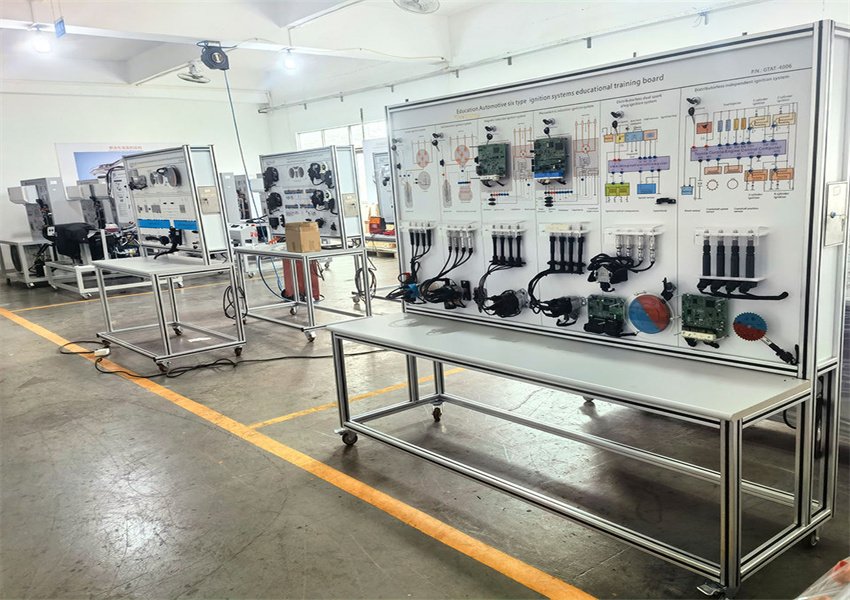
Custom Automotive Electrical Trainer Solutions
HS can develop Custom Automotive Electrical Trainer configurations according to required electrical systems, training functions and laboratory requirements. Customization starts with training objectives and technical requirements, rather than appearance alone.
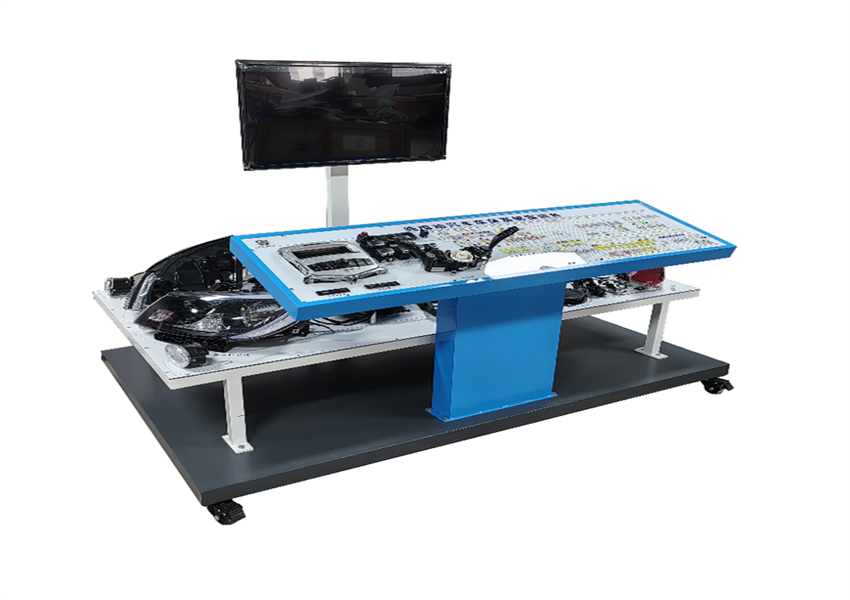
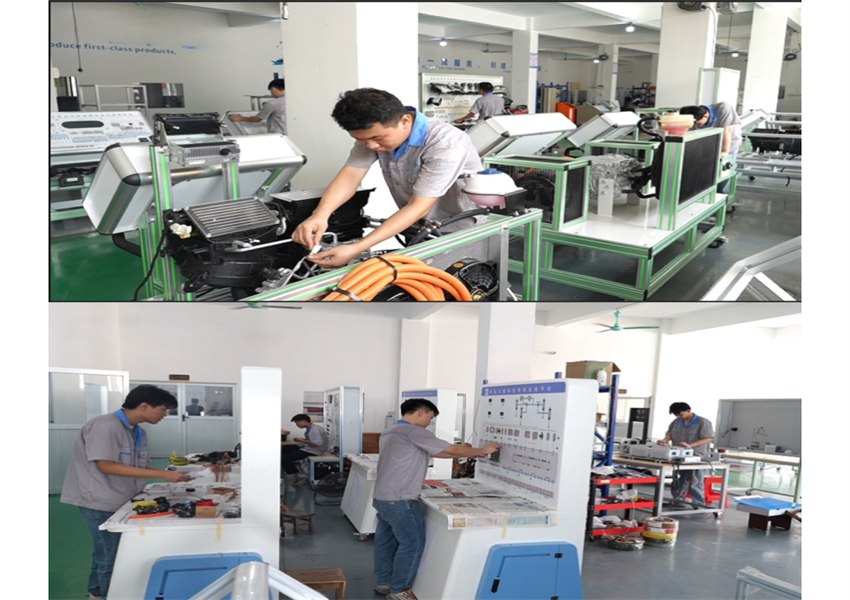
Electrical System Selection
Select the automotive electrical systems required for the training program.
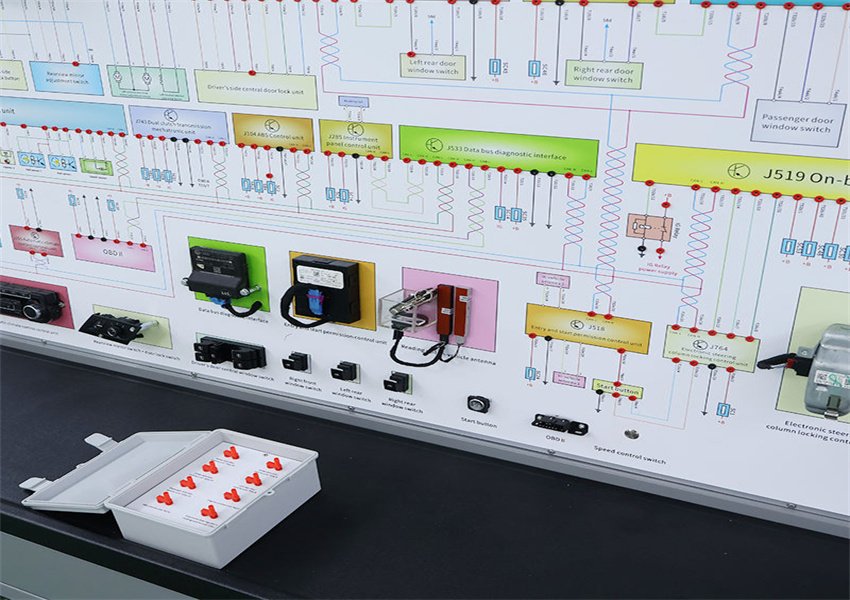
Training Function Configuration
Configure measurement, testing, diagnostics, CAN bus or fault simulation functions according to the training tasks.
Component & Interface Layout
Arrange components, measurement points and interfaces for practical operation and teaching demonstrations.
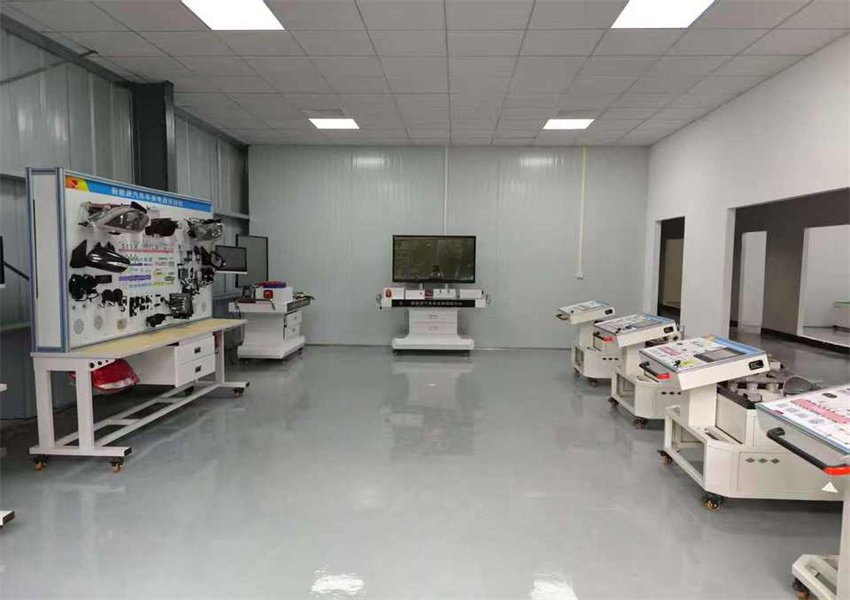
Laboratory Integration
Consider laboratory space, training stations, power supply and existing teaching equipment.
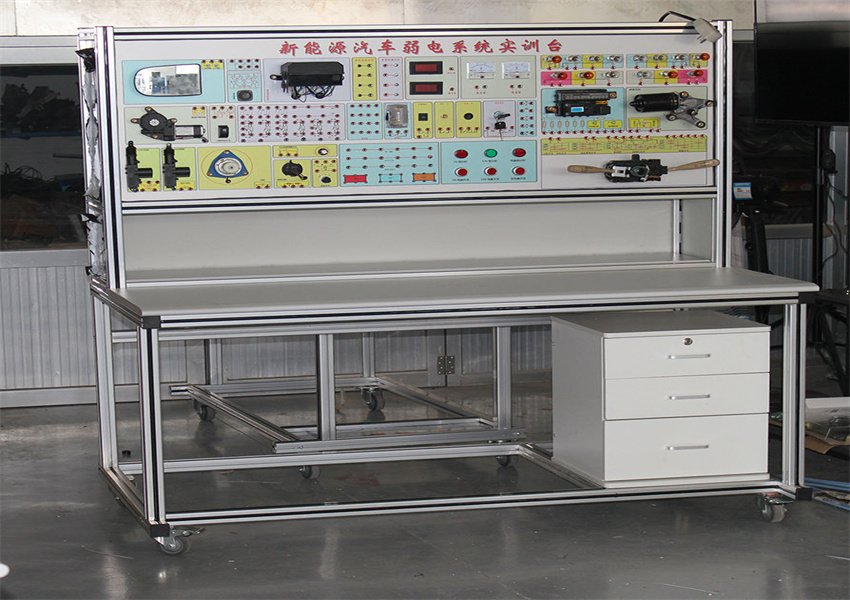
Custom Appearance & Structure
Adjust the equipment structure, panel layout and appearance according to the confirmed project requirements.
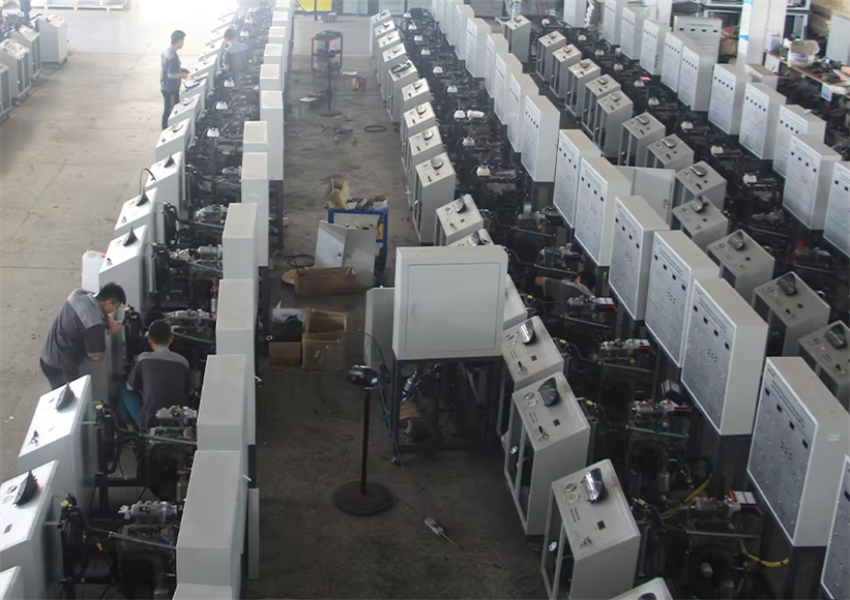
Quality Control & Performance Testing
HS checks each Automotive Electrical Trainer against the confirmed configuration and required training functions before shipment.
1. Configuration Verification: Check the equipment configuration against the confirmed technical requirements.
2. Electrical & Wiring Inspection: Check electrical connections, wiring and related components.
3. System Operation Test: Verify that the configured electrical systems operate according to the required training functions.
4. Measurement & Diagnostic Test: Test configured measurement and diagnostic functions where applicable.
5. Fault & Safety Verification: Verify configured fault simulation functions and relevant operating safety requirements.
6. Final Performance Inspection: Complete the final performance check before packaging and shipment.
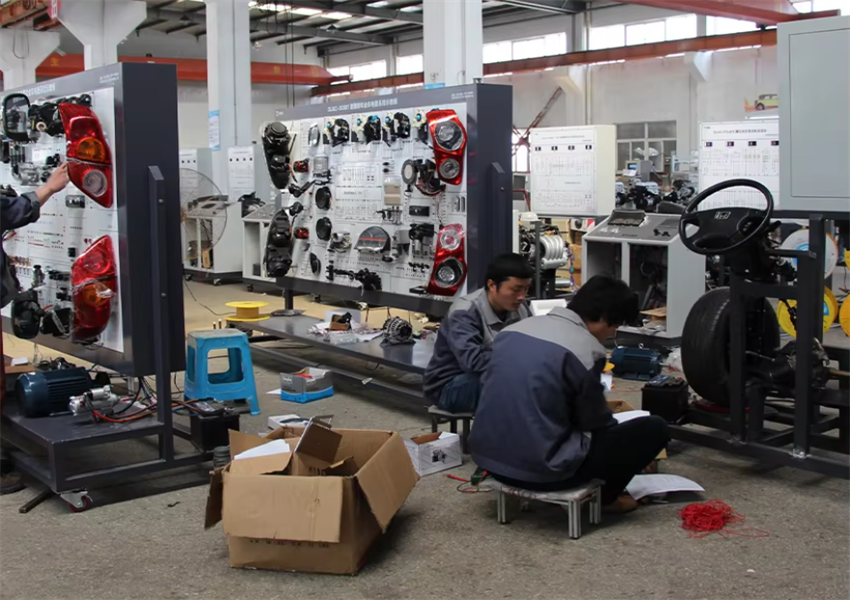
Automotive Electrical Trainer Price, Lead Time, Shipping & Installation
Price
Automotive Electrical Trainer price: approximately US$1,990–4,970/set. The final quotation depends on the equipment configuration, training functions, diagnostic requirements, customization and order quantity.
Lead Time
Production is scheduled after the technical requirements, equipment configuration and customization details are confirmed.
Standard configuration: 20–35 working days.
Custom configuration: 35–60 working days.
Standard configurations are scheduled according to the confirmed specifications and production plan.
For custom configurations, the final lead time is based on the technical specifications, functional requirements and design drawings.
Before shipment, the factory completes pre-assembly and complete functional testing to verify the equipment before packing.
Shipping & Delivery
The equipment is packed in an export-grade wooden box for safe handling and international transportation.
Shipping time is approximately 10–30 days, depending on the selected transportation method and destination.
HS can arrange sea freight, air freight or express delivery according to the order requirements.
The actual shipping schedule is confirmed according to the selected transportation method and delivery destination.
Installation & Technical Support
Installation requirements depend on the selected equipment configuration. HS provides operation manuals, training materials, videos and technical support for equipment operation and training use.
For customized or special installation requirements, the installation method and support scope can be confirmed before shipment.
Final Quote
For an accurate quotation, provide your required electrical systems, training functions, customization requirements, order quantity and delivery destination. HS can then confirm the appropriate equipment specification, price, production schedule and shipping plan.
Send Your Inquiry Today
FAQ About Automotive Electrical Trainer
1. What automotive electrical systems can be included in the trainer?
The trainer can be configured around different automotive electrical systems, such as lighting, starting, charging, ignition, sensors, actuators, switches, relays and other vehicle electrical circuits. The exact system configuration can be selected according to the training program and practical teaching requirements.
2.Can the trainer support real electrical measurement and circuit testing?
Yes. Depending on the configuration, the trainer can provide accessible test points for measuring voltage, current, resistance and circuit continuity. This allows practical electrical measurement and circuit testing to be carried out directly on the training platform.
3. Does it support fault diagnosis training?
Yes. Fault-diagnosis functions can be incorporated into the training configuration. Typical exercises can include identifying circuit faults, checking electrical signals, measuring components and tracing the circuit to locate the cause of a fault.
4. What level of electrical training is the equipment suitable for?
The configuration can be adapted for different training levels. Basic configurations can focus on circuit identification, wiring and electrical measurement, while more advanced configurations can include fault diagnosis, signal testing and systematic troubleshooting.
5. Can one trainer be used for different automotive electrical courses?
Yes, depending on the selected configuration. A multi-system trainer can combine several electrical systems on one training platform, allowing the equipment to support different practical exercises and multiple related courses. This can be useful for institutions that need one training platform to support a broader curriculum.
6. Can the trainer be integrated into an automotive training laboratory?
Yes. The trainer can be supplied as an individual training unit or configured as part of a larger automotive electrical training laboratory. For laboratory projects, the equipment configuration, quantity, layout and supporting training resources can be planned according to the institution’s requirements.
7. Can technical guidance be provided during installation and commissioning?
Yes. Technical guidance can be provided during installation and commissioning according to the equipment configuration and project requirements. Support may include installation instructions, operating guidance, software assistance where applicable and remote technical communication to help the customer put the equipment into practical use.
8. Does the trainer require additional test instruments or software for practical training?
The requirement depends on the selected configuration and training objectives. The trainer can be configured with integrated test points and practical training functions for the intended exercises. Where external instruments or software are required for specific advanced training tasks, the required interfaces and compatibility can be discussed as part of the equipment configuration before production.
Related Automotive Training Equipment
A transmission trainer is normally only one part of a complete automotive training laboratory. Depending on the curriculum, it can be combined with: